
Last updated November 20, 2026
 Sweep & inspection
 Caps & crowns
 Flue relining
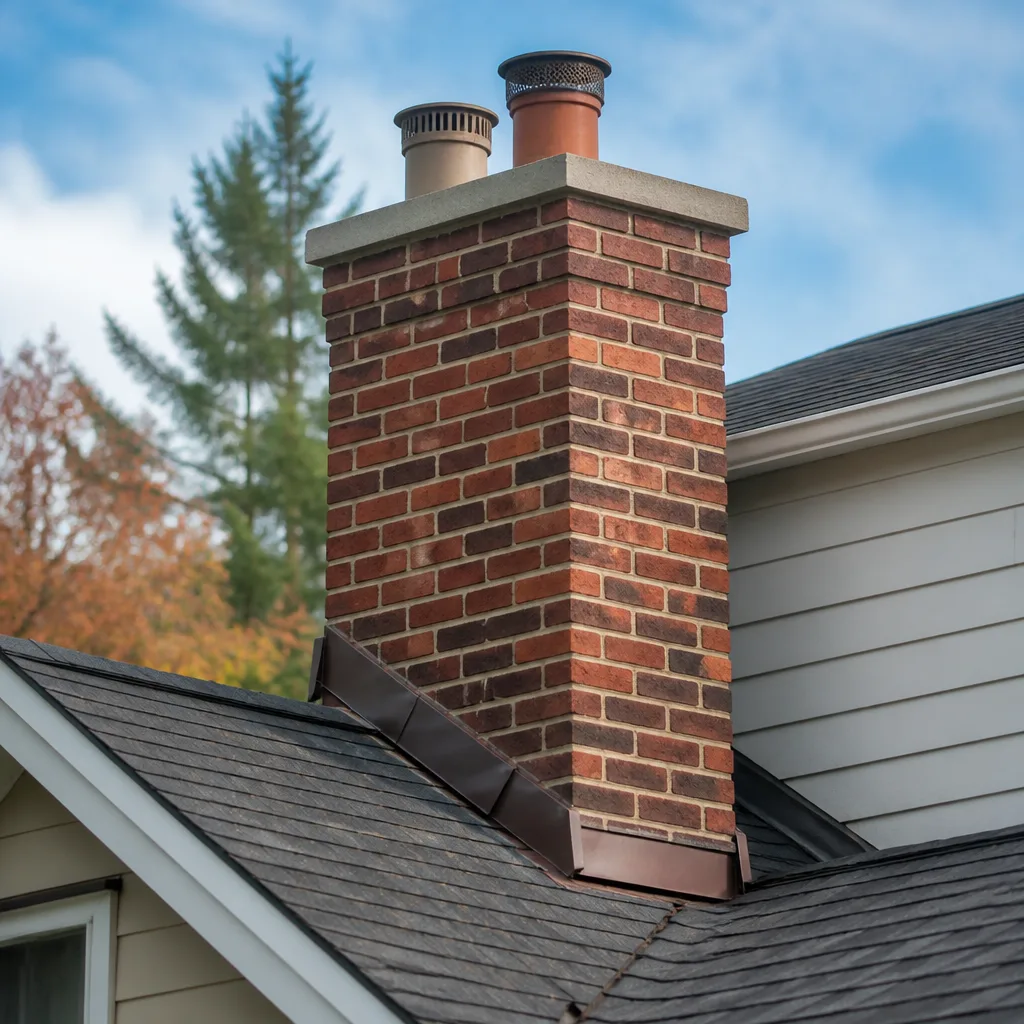 Masonry repair
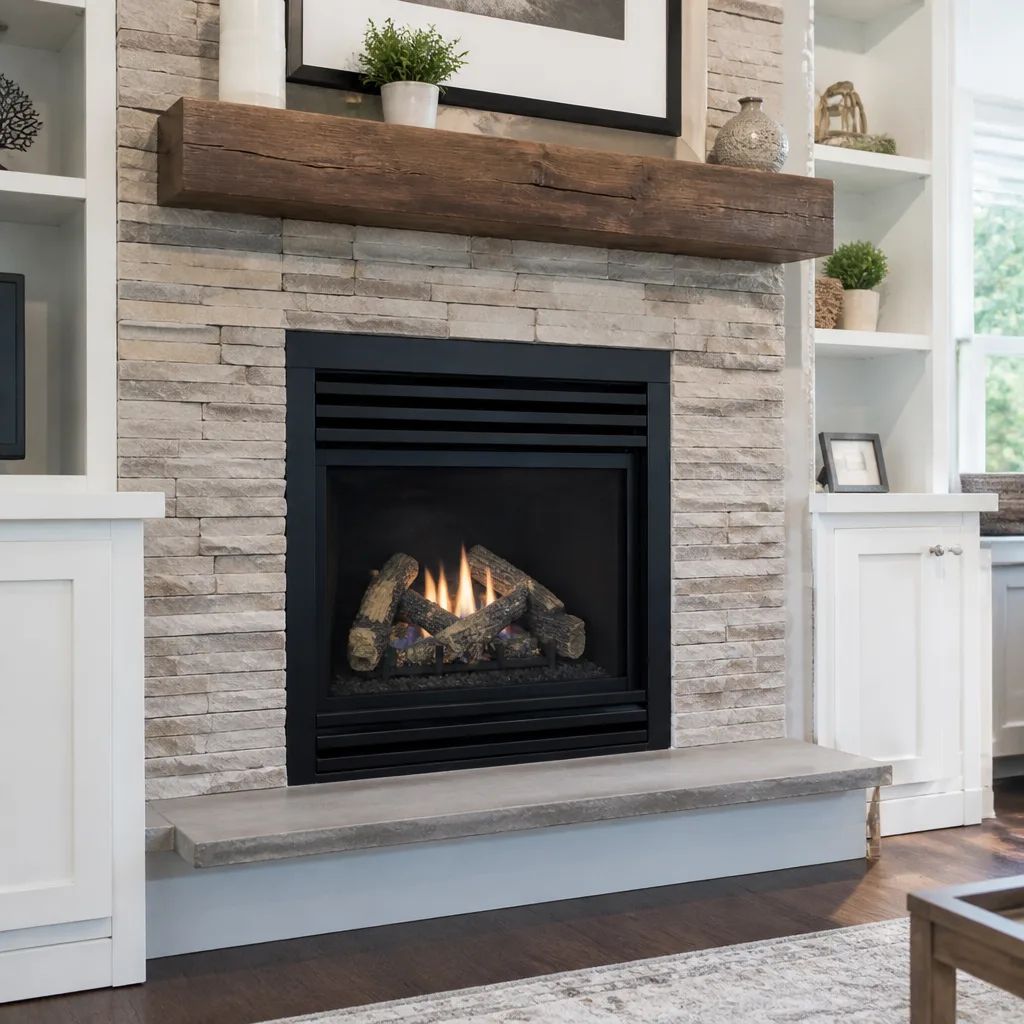 Gas fireplace service
Level 1 sweep and inspection to the NFPA 211 annual standard - flue, crown, cap, and flashing checked and photographed
Chimney sweep logs do not sweep chimneys. They loosen some creosote - which then falls where a brush and vacuum still have to collect it.
Seasonal Chimney Cleaning Care for Tujunga: Year-Round Homeowner’s Guide
The standard advice, “schedule your chimney sweep in the fall,” was written for Midwest and Northeast climates. In Tujunga, the highest-risk period is a dry October, not a snowy January, and by the time the leaves turn the optimal service window has already closed. Fire season, Santa Ana wind events, and near-zero-rainfall winters push a service rhythm that no national calendar accounts for. This guide maps a 12-month plan to Tujunga’s actual climate: when to book, what to check after storms, what to look for each spring, and why an active fireplace in the Angeles National Forest foothills needs a different maintenance sequence than one in Ohio.
Quick Answer
In Tujunga, the best time to sweep and inspect a chimney is August through early October, before the burning season starts and before Santa Ana wind events arrive. A second important checkpoint comes after a heavy winter rain, when moisture can enter through a cracked crown or uncapped flue. Skip the generic “November sweep” advice entirely; here the pre-season work needs to be finished before the first fire.
Styles & brands we work with
- Sweep & inspection
- Caps & crowns
- Flue relining
- Masonry repair
- Gas fireplace service
Table of Contents
- Why Tujunga’s Chimney Care Calendar Doesn’t Match National Advice
- The Real Pre-Season Window: August through Early October
- Santa Ana Wind Season and Chimney Fire Risk
- What to Check After a Heavy Rain Event
- Spring Tasks: Wildlife, Moisture Damage, and Sealing
- Summer Dormancy Care: Draft System Integrity
- Building a 12-Month Calendar for Tujunga
- How a Full-System Sweep and Inspection Actually Works
Why Tujunga’s Chimney Care Calendar Doesn’t Match National Advice
Tujunga sits at the southwestern edge of the Angeles National Forest foothills. That single geographic fact drives almost every meaningful difference in how chimneys age, draft, and fail here compared with the advice most homeowners find online. The biggest driver is rainfall timing. Tujunga gets its moisture in concentrated winter storms, not in a slow, steady drizzle spread across months. A chimney that stays wet for three days straight in a Midwest freeze is a different problem from a crown that cracks when a single storm dumps weeks of rain in one night and then the weather dries out again.
Wind is the second driver. Santa Ana wind events arrive in the fall and winter with dry, fast-moving air that pushes embers and lofted debris toward rooftops. That’s not snow season up here. It’s ember season. Chimney fires and brush fires in the foothills share a common cause: dry fuel sitting where heat can reach it.
The third driver is burning habits. Fireplaces in Tujunga tend to run hard from November through February and then sit idle through the long, hot, dry spring and summer. That idle stretch can do as much damage as the burning. The system isn’t being exercised, moisture sits in creosote-glazed joints, wildlife moves into an open flue, and the damper stays open to whatever the summer air carries in.
The practical upshot: a chimney in Tujunga doesn’t follow a “sweep it once a year in fall” rhythm. It follows a “check it before the burning season, check it again after the storms, and re-seal it before summer” rhythm. That rhythm is what the rest of this guide walks through. For the full scope of what a proper service visit covers, see Chimney Sweep Tujunga.
The Real Pre-Season Window: August through Early October
By October, the optimal Tujunga service window has already closed. August and September are the true pre-season months here, and the reasoning is straightforward. Three things happen in sequence:
- Late summer dry heat cures and sets the spring’s creosote deposits. A fireplace that ran through a wet spring has had all summer for deposits to harden. This is the right time to remove them, not November.
- Santa Ana wind season starts picking up in October. Embers and sparks coming off an uninspected flue are a real concern in foothill neighborhoods like Sunland-Tujunga, where dry brush sits close to property lines. A clean flue and an intact cap get done before that season, not during it.
- You want a repair budget before the first fire, not after. If the inspection finds a damaged liner, a cracked crown, or a loose cap, there’s still time in September to schedule the repair and have it done with margin. Finding out in late November means either running an unsafe system or going without a fire for weeks.
In practice, most Tujunga homeowners who book in August or September get their inspection, cleaning, and any cap or crown work handled in one connected visit, before the burning season. The ones who wait until the first cold snap are already behind. Chimney Sweep Tujunga recommends scheduling the pre-season inspection by mid-August. It’s a calendar nudge, not a scare tactic. There’s simply no reason to be making repair decisions in November that could have been made in September.
Neighborhood nuance matters here. Homes on hillside lots in the Sunland-Tujunga corridor, especially those with tall flues shaded by mature pines, hold moisture longer after storms than homes on flatter, sunnier lots. A hillside home benefits most from the earliest possible pre-season check. A flat-lot home in an area with better drainage can flex by a few weeks.
If you’ve never had your system inspected, that’s the first step, and it’s worth reading what the chimney sweep process actually involves before you book. It’s rarely just brushing.
Santa Ana Wind Season and Chimney Fire Risk
Santa Ana winds are a specific and well-documented feature of Southern California fire weather. For a chimney in Tujunga, they create two distinct problems worth knowing about before the season arrives.
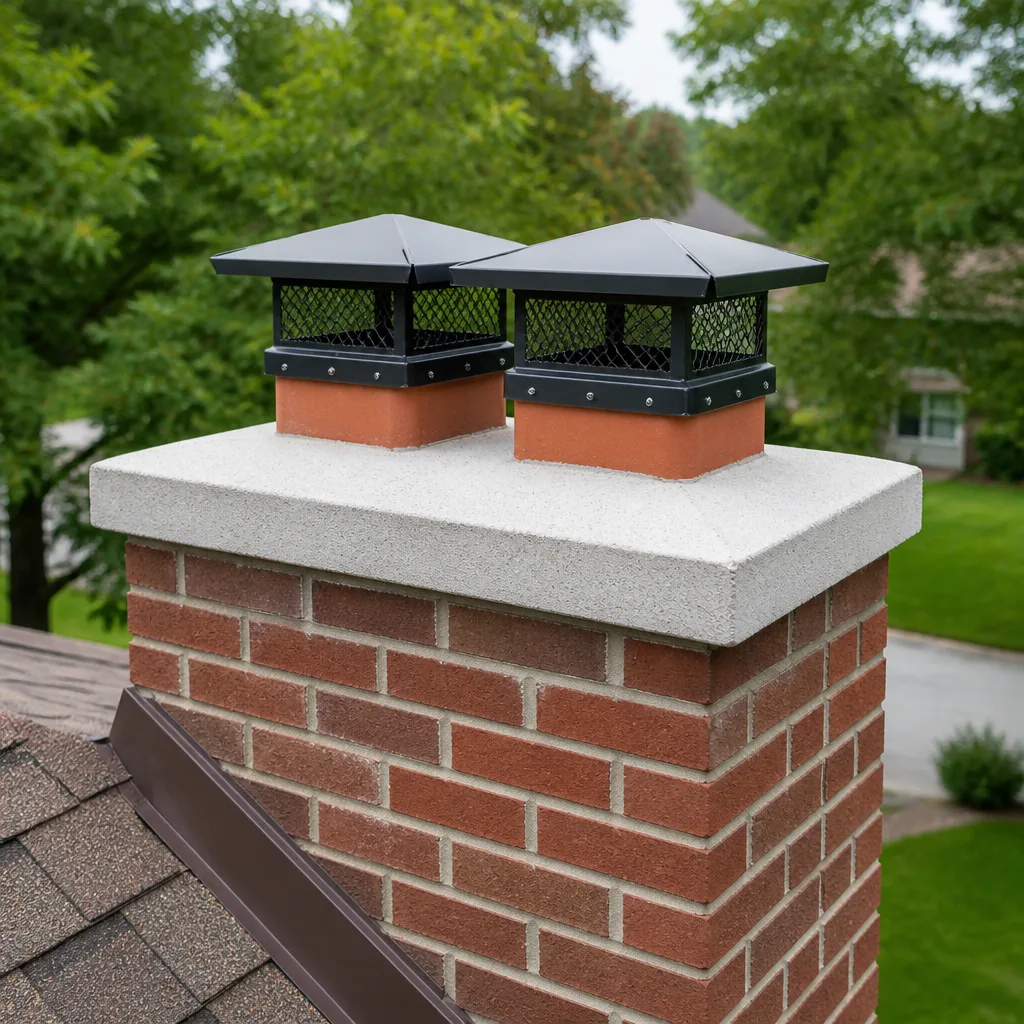
The first is ember behavior. A downdraft through an uncapped or damaged flue during a strong Santa Ana event can push hot ash and sparks down toward the firebox or into attic framing gaps. It’s not the fire in the fireplace that’s the risk here. It’s what happens above and around it during wind events. A properly fitted cap, a solid crown, and an intact liner close that path. That’s why cap and crown work is a genuine pre-season priority in Tujunga and not the afterthought it often is elsewhere. Copperfield and Gelco supply fitted, manufacturer-grade caps, which matter more than people realize; generic hardware-store covers don’t always match the flue diameter or seal correctly.
The second is external fuel loading. Santa Ana winds strip foliage and drop dead material on rooftops and in gutters. That material sitting near a hot flue outlet is a foothill-specific concern. A pre-season rooftop walk-through, checking for accumulated debris near the cap, is worth doing in September. It’s not a chimney task in the traditional sense, but it belongs in the seasonal checklist for anyone in the foothills.
What we look for before a Santa Ana season:
- Cap condition and fit. Is it securely seated, undamaged, and matched to the flue diameter?
- Crown integrity. Hairline cracks in the mortar crown widen under dry wind cycling and stop shedding water correctly.
- Liner soundness. Anything less than a continuous, sealed liner is a pathway for heat and embers to reach framing.
- Flue cleanliness. Fresh creosote at the top of the flue is the fuel most likely to catch during an ember event.
None of this is dramatic. It’s routine inspection work done on the right calendar. Skipping it in Tujunga means the highest-risk weeks of the year land while the system’s condition is unknown.
What to Check After a Heavy Rain Event
Tujunga’s proximity to the Angeles National Forest foothills means significant moisture intrusion risk during winter storms. That’s not a mild concern. A single heavy rain event can push more water into a damaged chimney system than a whole Midwestern winter, because the rain arrives fast and hard and the wind drives it sideways.
Three components are the usual entry points:
- The crown. The mortar cap on top of the chimney is the first line of defense. Hairline cracks that look cosmetic in dry weather become direct water paths once rain hits.
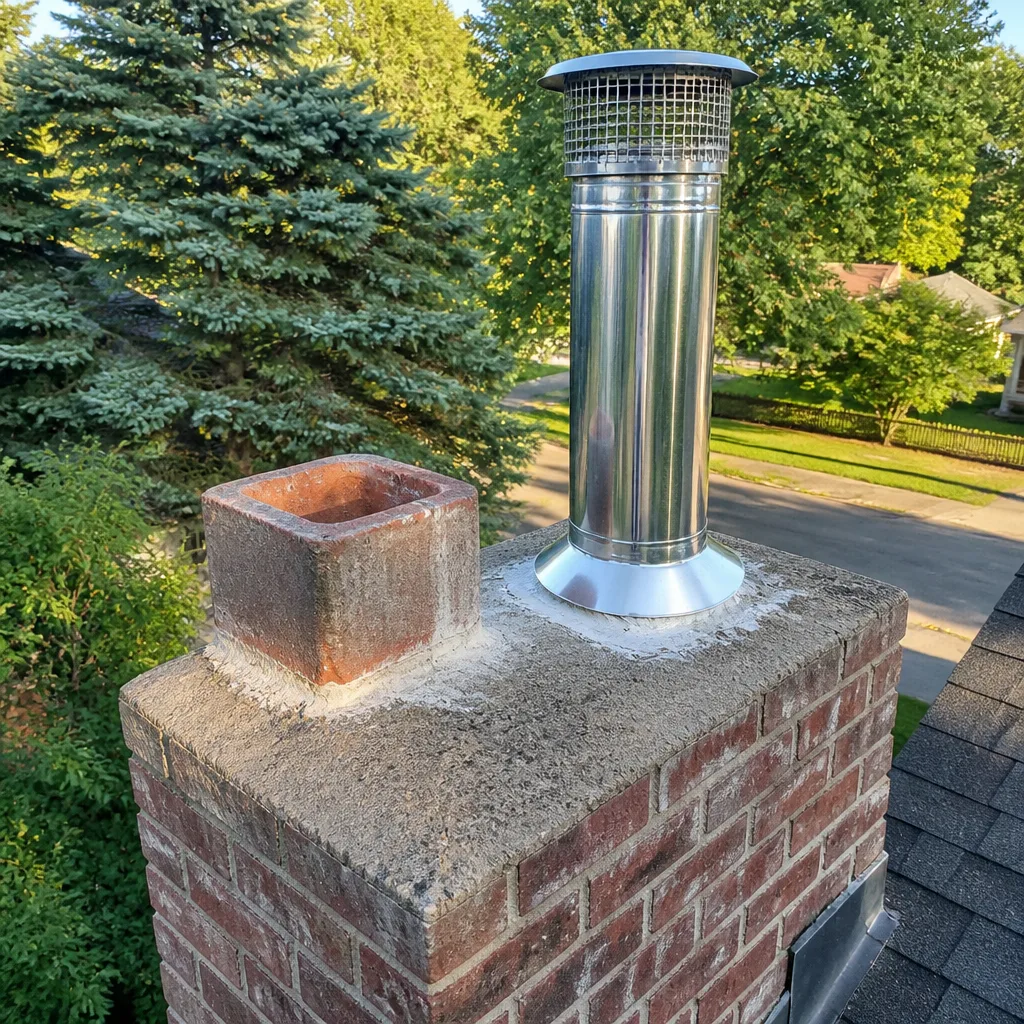
- An uncapped flue. Without a fitted cap, rain drives straight down the flue, wets the liner, and creates rust staining, spalled masonry, and eventually draft problems. Some Tujunga homes still have open flues because the previous owner never added a cap. That’s a routine fix.
- Flashing at the roof penetration. Loose or rusted flashing lets water track along the chimney’s exterior into the attic.
After a heavy storm, the homeowner checks most worth doing are simple ones:
- Look for water staining or efflorescence (white salt deposits) on the exterior masonry or the smoke chamber.
- Check for a gurgling or bubbling sound from the flue on the first fire after a storm, which can indicate wet creosote or a damaged liner.
- Smell for an earthy or damp smell near the firebox with the damper closed, which can point to moisture trapped in the flue.
- Check the damper and firebox for standing water, especially in homes without a cap.
If any of these turn up, don’t run a fire until the system is inspected. The moisture itself is fixable. The bigger concern is what moisture does to the liner over a few years of exposure. That’s where the cost difference between a seasonal cap and crown fix and a full liner replacement becomes real.
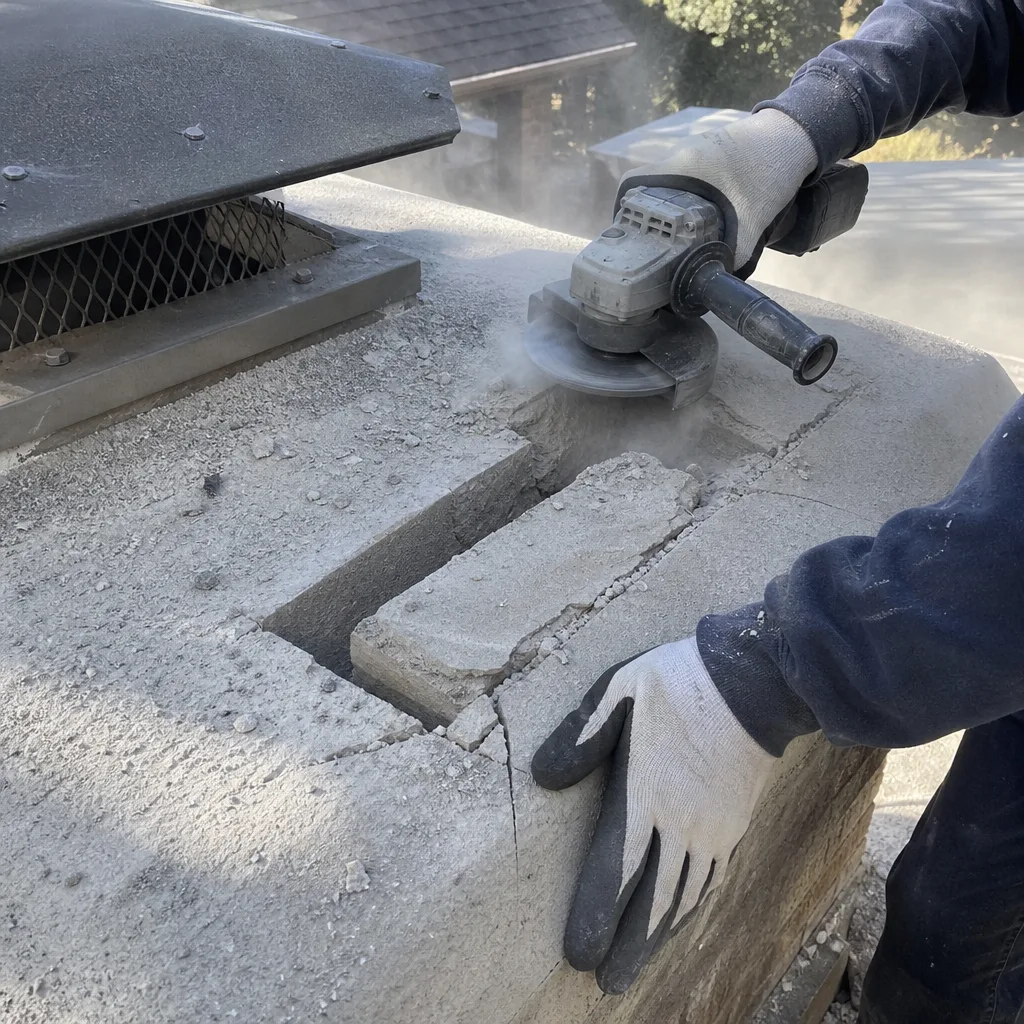
Full-system inspection catches these issues while they’re still small, which is exactly what the chimney cap & crown service is designed to address in one connected scope.
Spring Tasks: Wildlife, Moisture Damage, and Sealing
Spring in Tujunga is the season to close the loop on winter damage. It’s also the season for the least glamorous but most consequential task on the whole 12-month calendar: checking the flue for wildlife.
The foothills around Tujunga are home to raccoons, squirrels, and a wide range of cavity-nesting birds. An uncapped or under-capped flue on a hillside home looks exactly like a safe, dry, sheltered cavity to them. They don’t need much clearance. A raccoon can fit through a flue that looks too narrow to a homeowner on the ground. Bird nests and squirrel hoards are equally common. All of them create two problems: nesting material blocks draft, and animal detritus mixed with creosote is combustible.
Spring checks worth doing or scheduling:
- Shine a light down the flue. With the damper open and no fire in the box, a strong flashlight from the top or bottom shows any obstruction. A dark, uneven surface where a straight flue should be is the signal to call.
- Look for moisture damage. Cracked crown mortar, stained masonry, or a rusted damper assembly that wasn’t visible in fall should be assessed in spring, before the dry summer cures it in place.
- Check the cap is still seated. Winter winds and storm events can dislodge a cap that survived the fall. It’s a common find.
- Confirm the damper closes tightly. A leaky damper is one of the most under-diagnosed causes of a flue that stays chronically damp.
Once those are cleared, spring is the right season to seal the system for summer. That means the cap is secure, the crown is sound, and the damper is sitting snugly closed. That’s the entire protective stance the chimney needs for the dry months. It’s not complicated, but it’s easy to skip when the fireplace has stopped being a daily part of life. If damage turns up in spring and the fireplace itself is also showing signs of wear, that’s the natural time to look at fireplace repair alongside the chimney work, since both usually come back to the same underlying issue: moisture, draft, or both.
Summer Dormancy Care: Draft System Integrity
Summer in Tujunga is dry, hot, and mostly windless until the Santa Ana events start again in the fall. That combination is harder on a dormant chimney than most homeowners assume. The system isn’t being used, but it’s still the entry point for everything in the summer air, and the draft path is still there to be damaged.
The central task of summer dormancy care is keeping the draft system intact and closed:
- Keep the damper closed. An open damper in summer pulls hot, dusty, dry air through the flue and into the living space, and it pulls outdoor moisture into the liner on any humid day. It also drops the draft temperature and makes the first fall fire harder to light. Closed is the default from May through September.
- Keep the cap intact. A securely fitted cap is what keeps summer debris, insects, and dry dust out of the flue. If a cap was damaged in a winter storm and removed in spring, it should be replaced before summer. Leaving a flue open through a dry summer leaves the liner exposed to grit and dust that compromises its surface over time.
- Inspect the exterior crown once mid-summer. Dry heat widens cracks in mortar. A crown that was fine in May can be visibly cracked by August. Catching it before fall means it can be repaired as part of the pre-season visit.
- Don’t store anything against the exterior of the chimney. Common in summer yard cleanup. Woodpiles and debris against the masonry hold moisture and create a path for termites into the structure behind.
None of these tasks are expensive or technical. They’re habits. In our experience, Tujunga homeowners who keep the damper closed and the cap fitted through summer see fewer draft problems and fewer repair surprises in the fall than the ones who leave the flue open.
The cap itself is where this habit lives or dies. Copperfield and Famco supply fitted caps that hold their seal through summer heat cycles; generic covers tend to loosen or crack. That’s the reason cap material matters. If it’s the right product, installed correctly, the summer-stance protection is automatic. If it isn’t, it’s the first thing to fail.
Building a 12-Month Calendar for Tujunga
Here is the full year of chimney care mapped to Tujunga’s actual climate events. This is the schedule that makes the previous sections work together, and it’s the one to bookmark.
- Mid-August: Schedule the pre-season inspection. Book now so there’s margin before the first fire.
- Late August through September: Inspection and sweep completed. Any liner damage, cap issues, or crown cracks found in the inspection get scoped and either repaired at the visit or scheduled as a follow-up that clears before October.
- Early October: Confirm the system is fire-ready. Damper operates smoothly, cap is securely seated, no fresh creosote at the top of the flue.
- October through February (burning season): Operate the fireplace normally. After any especially heavy fire session or a notable accumulation of fresh creosote, note the date and plan to sweep once during the season if the system has been running hard.
- After each major winter rain event: Do the quick homeowner checks: look for exterior staining, listen for gurgling on the first fire after, smell for dampness near the firebox. Call if anything looks off.
- March through April (spring thaw equivalent): Schedule an inspection if there was meaningful winter storm damage. Check the flue for wildlife, confirm the cap is seated, verify the damper seals. Spring repair window for anything found.
- May: Seal the system for summer. Damper closed, cap secure, crown sound, nothing stored against the masonry.
- June through July: Dormancy. One mid-summer crown check. Keep the damper closed. Nothing else needed unless the inspection last spring flagged something to revisit.
Notice what’s missing from this calendar: a fall sweep. The fall window is where the national advice lands, and in Tujunga it’s too late. The right service is already done in September. A fall sweep shifts the inspection into the riskiest weeks of the year and pushes any needed repair into November or later.
Chimney Sweep Tujunga builds inspection and repair into the same service rhythm because most of the problems that turn up in an inspection are fixable in the same window if the inspection happens early enough. The full range of services, from sweep to chimney sweep inspection to cap, crown, and repair, sits under one scope, which means no hand-off between a diagnostic team and a repair team mid-season.
How a Full-System Sweep and Inspection Actually Works
Knowing what a proper service visit involves helps you judge whether you’re getting a real inspection or a quick brush-and-go. Here’s the sequence a full-system visit follows:
- Exterior assessment. Crown, cap, flashing, and masonry are checked from the roof line. This is where most water-intrusion and Santa Ana fire concerns get caught.
- Firebox and smoke chamber. Damper operation, firebox masonry, and the smoke chamber above the damper are inspected for cracking, spalling, or gaps.
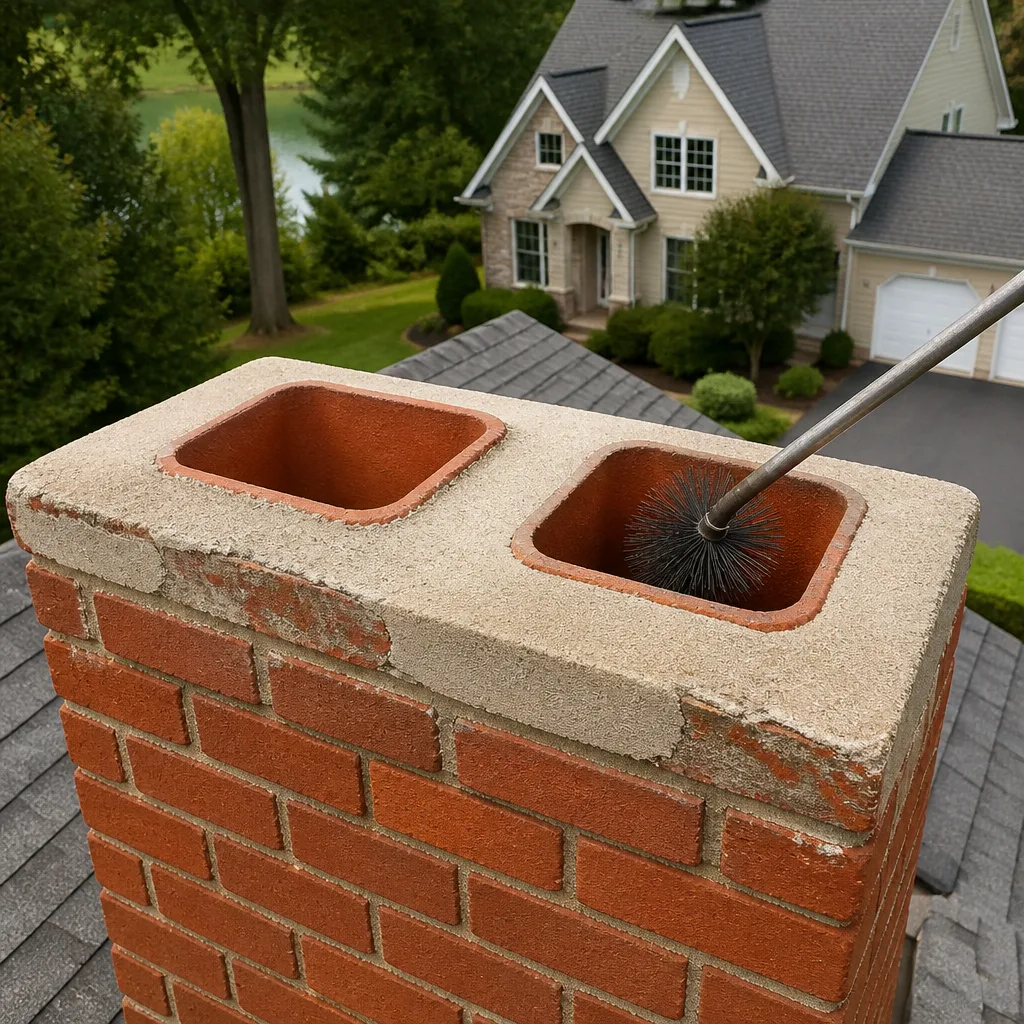
- Flue inspection. A camera inspection confirms the liner is continuous and unbroken, and identifies creosote level. This is the heart of the visit. It’s the part that determines whether the system is safe to run.
- Sweep. The flue is cleaned with the right tools for the liner material. A DuraFlex or Olympia Chimney stainless liner gets a different sweep than a masonry clay tile flue; that difference matters.
- Findings and fix. Any issues that turned up get scoped on the spot. If the liner needs resurfacing rather than replacement, HeatShield application handles that, which is not a service every sweep company offers. If a component needs replacing, it’s sourced from professional-grade brands like DuraFlex or Olympia Chimney rather than generic substitutes.
The reason a full-system sweep is worth having done properly is that a clean flue that sits on a cracked crown and a rusted damper is not a safe chimney. It’s a clean chimney. Those aren’t the same thing, and in Tujunga’s climate the moisture and wind issues resolve first. A sweep that ignores them leaves the actual risk in place.
The other meaningful difference at Chimney Sweep Tujunga is that we do the diagnostics and the repair on the same scope. Most inspections that turn up a real problem end with a recommendation to hire someone else. Here the recommendation becomes a written scope and a scheduled fix, which is exactly the value of running one service through five connected categories.
Common Mistakes to Avoid
- Following the national “sweep in the fall” calendar. In Tujunga, that pushes the inspection into Santa Ana wind season and the pre-season window is already gone. September is the deadline, not November.
- Treating the cap as optional. An uncapped flue in Tujunga invites rain in winter, wildlife in spring, and dry debris in summer. It’s the single highest-leverage component on the whole system.
- Assuming a crown crack is cosmetic. Mortar hairline cracks widen under dry summer heat and become direct water paths in the first big storm. What looks like a cosmetic issue in July is a liner problem in February.
- Running a fire after a heavy rain before inspecting. If the flue took on water through a damaged crown or open cap, burning before the liner dries out risks hidden damage in the liner and smoke chamber.
- Leaving the damper open all summer. Draft integrity, indoor air quality, and the first fall fire all suffer. Closed is the summer default in Tujunga.
- Booking a sweep with no camera inspection. A brush-and-go visit can’t tell you the liner condition. If the inspection is not part of the visit, the safety question isn’t being answered.
- Ignoring the wildlife possibility in spring. Foothill homes near the Angeles National Forest edge see nesting and denning in open flues. A simple light check in March prevents a serious draft and fire-safety issue in October.
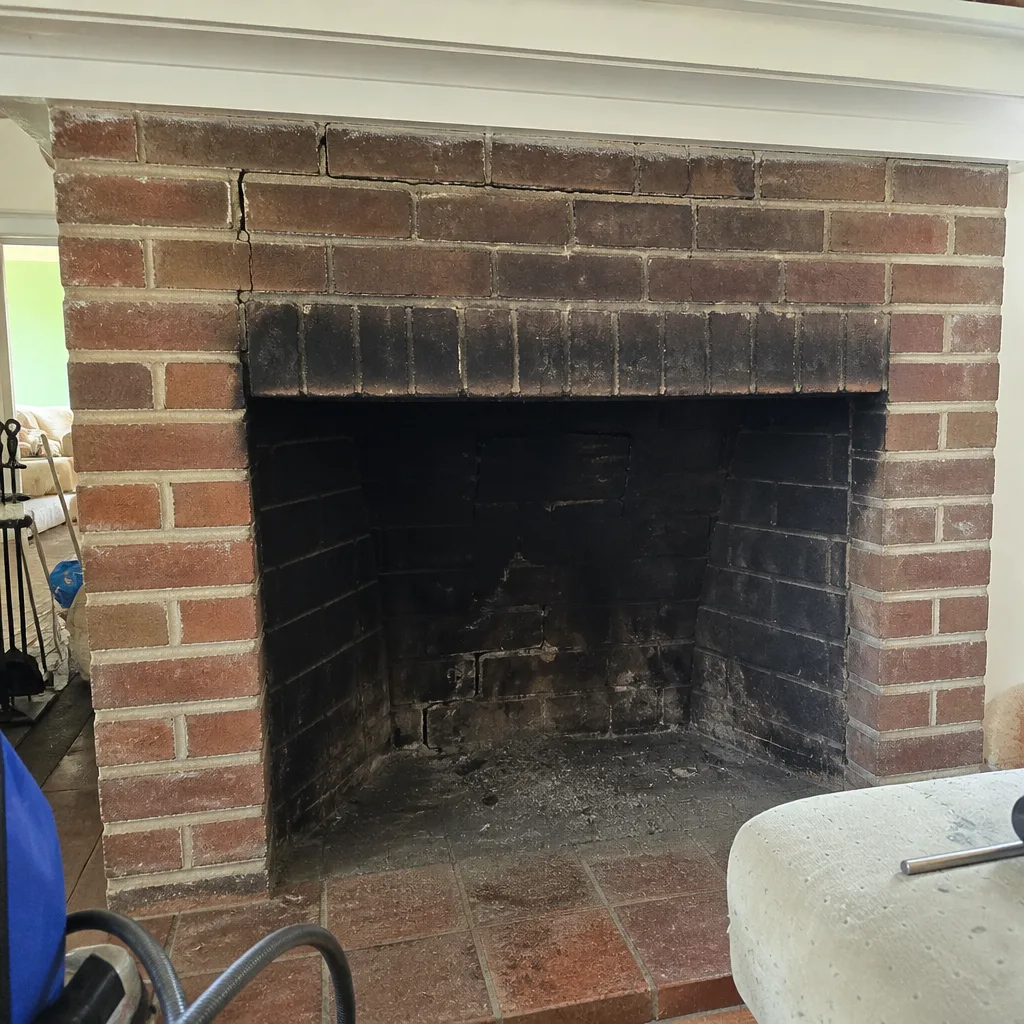
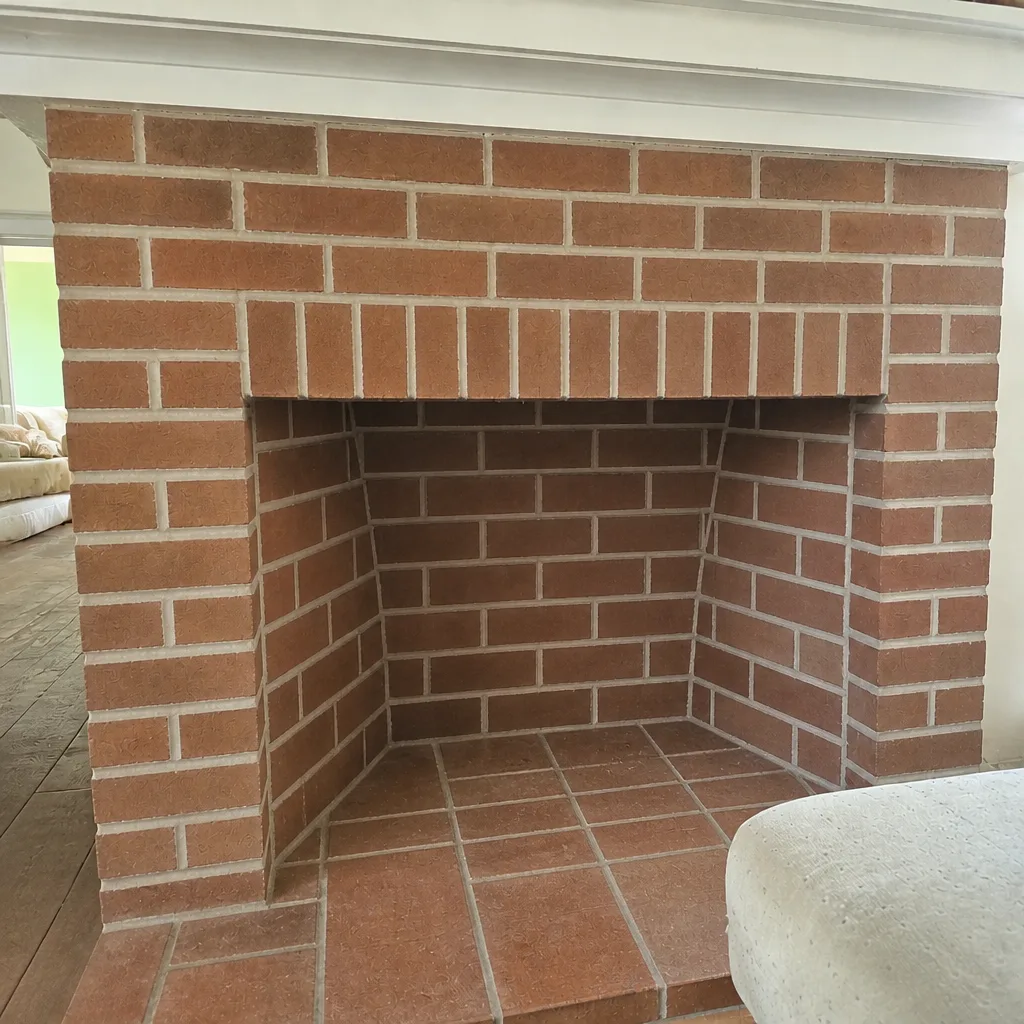
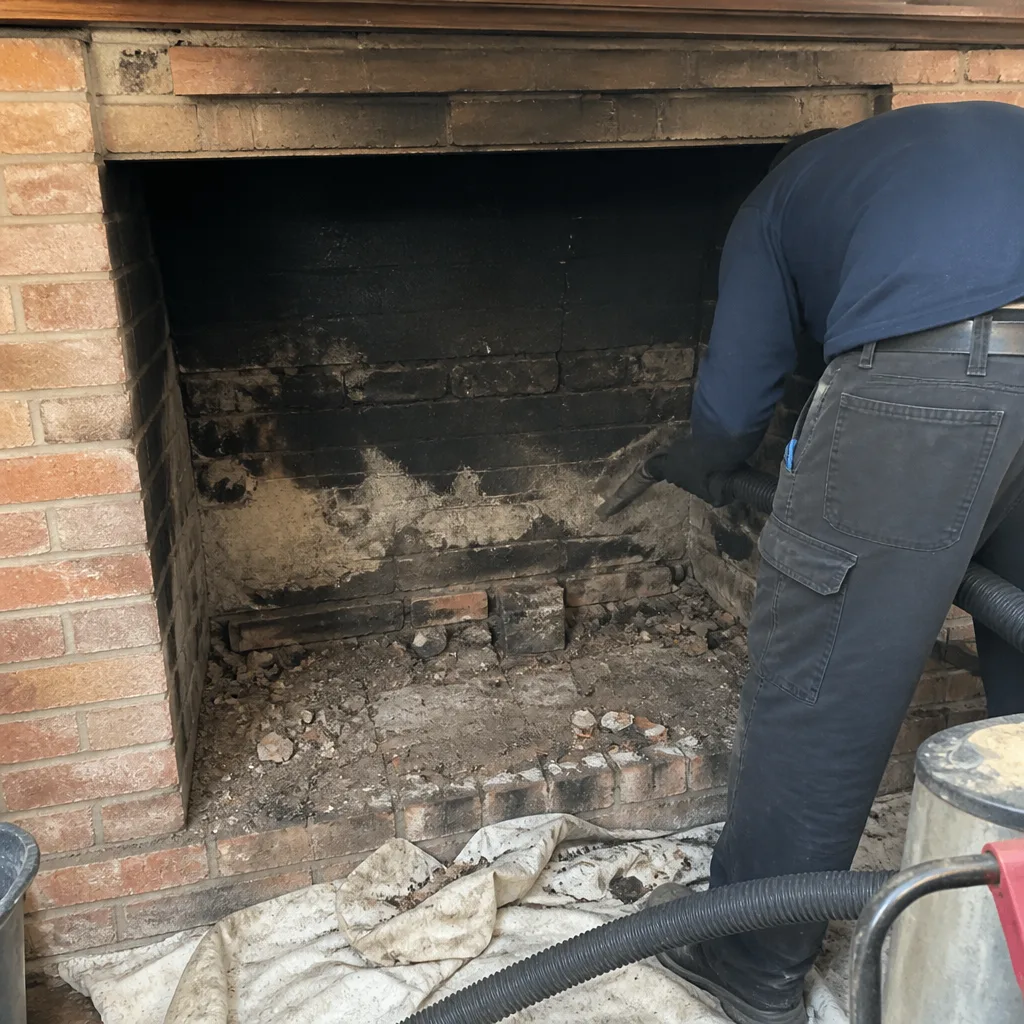
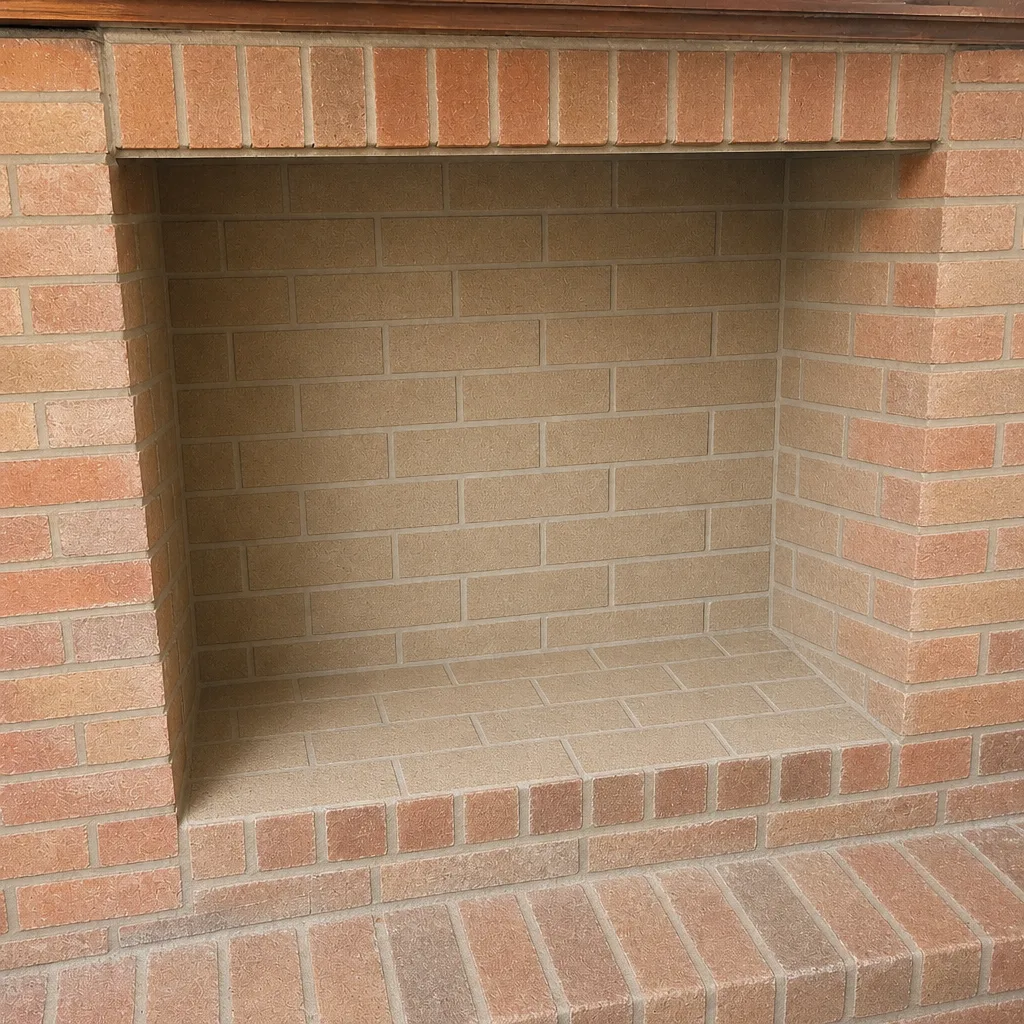
See the difference
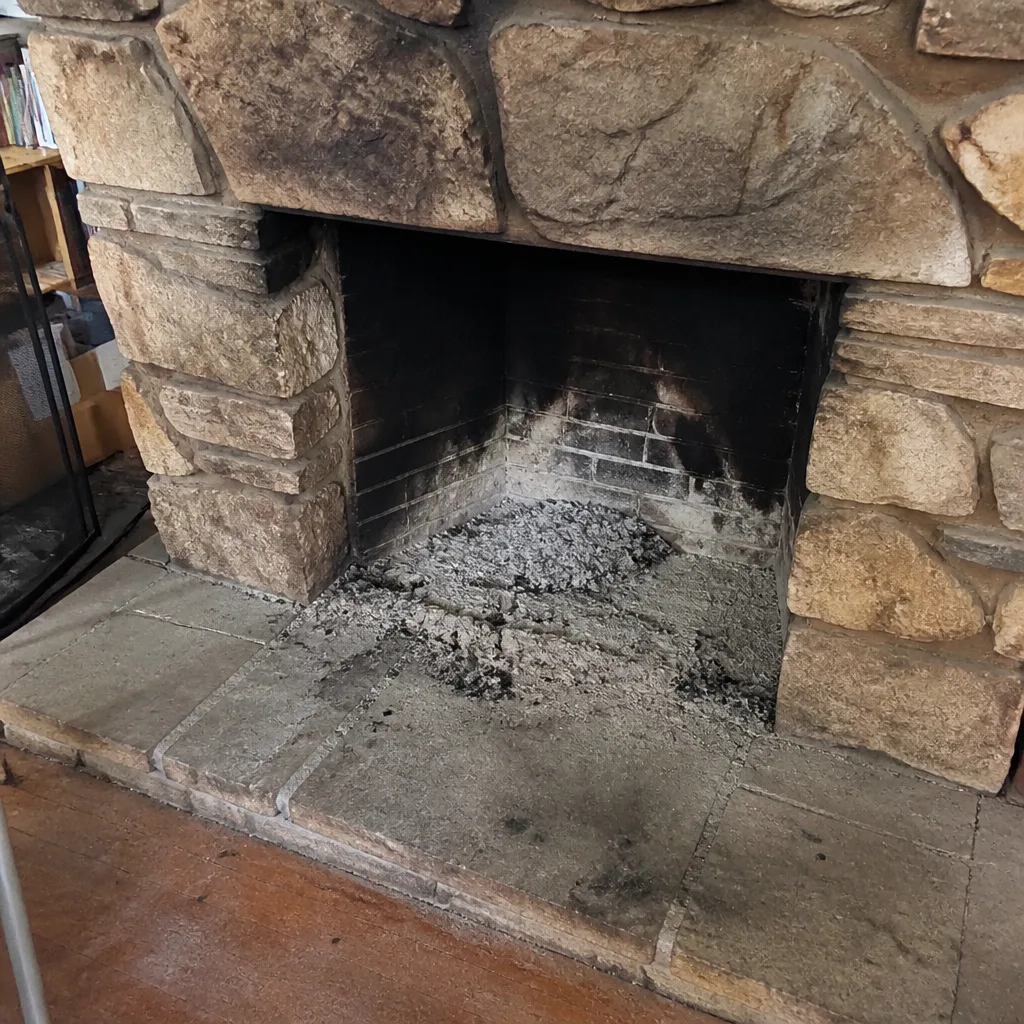 Before
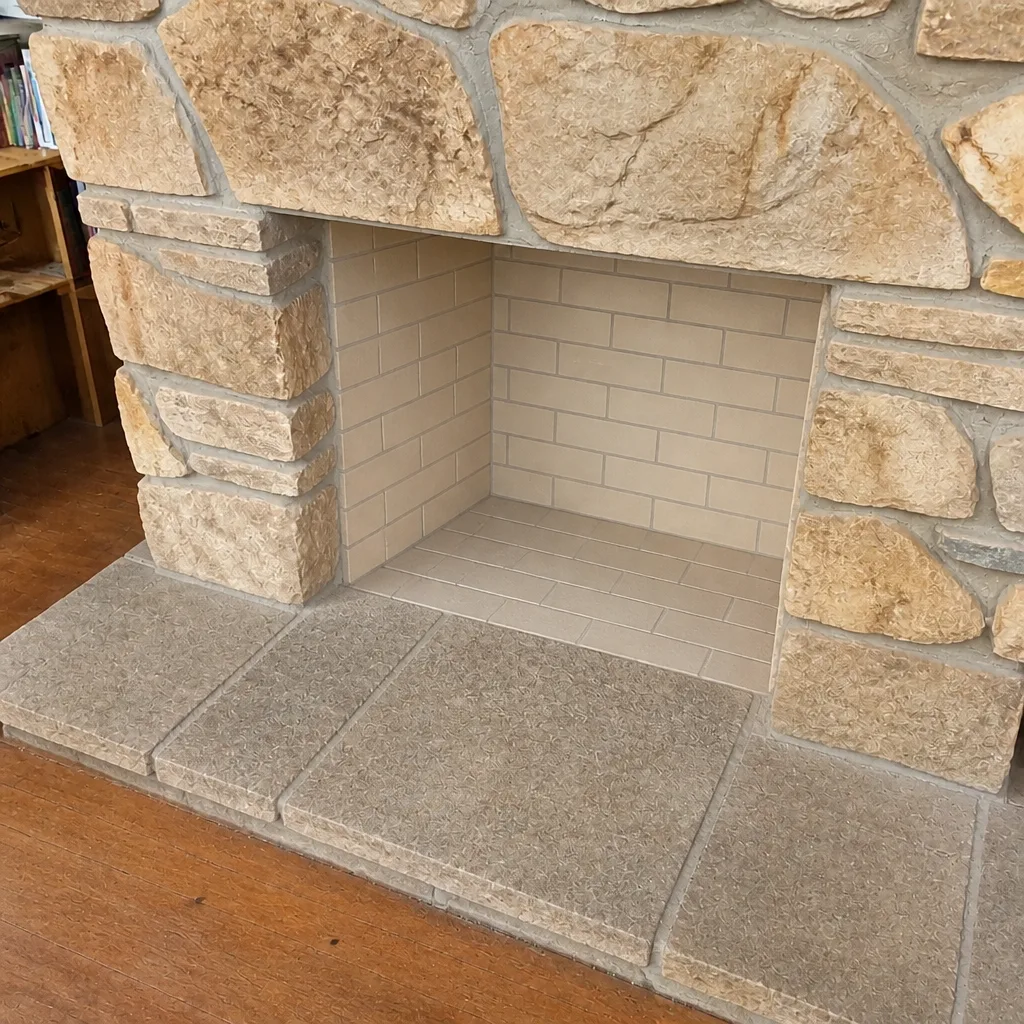 After
 Before
 After
 Before
 After
When to Call a Professional
Many seasonal maintenance tasks are homeowner checks. Some situations call for a professional inspection and repair scope. Call Chimney Sweep Tujunga if any of the following is true: you haven’t had the system inspected in the last burning season; you see cracked or missing mortar on the crown; the cap is loose, missing, or damaged; you smell dampness, earthiness, or soot near the firebox with the damper closed; the first fire after a rain event puffs smoke, gurgles, or is unusually hard to light; you see signs of animal activity or daylight through the flue; the damper doesn’t seal smoothly; or the masonry on the exterior shows efflorescence or water staining. Chimney Sweep Tujunga offers free estimates in Tujunga. Call (844) 968-2733. We answer 24/7. Fast dispatch from 7am to 7pm.
Frequently Asked Questions
Schedule it in August or early September, before the burning season and before Santa Ana wind events arrive. The national advice to sweep in the fall is written for colder climates where the burning season starts later. In Tujunga, by October the optimal window has closed, and any needed repair gets pushed into the riskiest weeks of the year. Call (844) 968-2733 to book the pre-season visit. The estimate is free.
Once a year for most active fireplaces, plus an extra check after any heavy winter rain event if your system has a cap or crown issue. In Tujunga, the annual inspection belongs on the calendar in August or early September so the results can be acted on before the first fire. A chimney that only runs a few fires a year still needs the annual check, because the moisture and wind exposure happens whether or not the fireplace is in use.
Because Tujunga gets its moisture in concentrated winter storms and its fire risk during Santa Ana wind events, not in snow season. A chimney here faces a wet-and-windy winter followed by a hot, dry, wind-exposed fall. The pre-season timing has to shift earlier, the post-storm checks matter more, and the cap and crown become higher priorities than they are in a cold, wet climate where a snowpack dominates the annual risk picture.
Yes. An open flue invites rain in winter, wildlife in spring, and dry debris and dust in summer. Each of these creates its own damage path. Rain damages the liner and smoke chamber, wildlife blocks draft and adds combustible material, and summer debris compromises the liner surface over time. A fitted cap from a professional-grade supplier like Copperfield or Famco closes all three paths in one fix. Call (844) 968-2733 for a free estimate on a cap installation.
Do a quick visual check for water staining or white efflorescence on the exterior masonry, then light a small test fire and listen for gurgling and watch for smoke that doesn’t draft properly. If any of those signs are present, don’t run another fire until the system is inspected. A chimney that took on water through a cracked crown or open cap can hide liner damage that gets worse with each fire. We can assess and scope any repair on the same visit.
Light homeowner checks (visual inspection from the firebox, confirming the cap and damper) are reasonable, but the actual flue sweep and liner inspection should be done professionally. Accurate liner inspection requires a camera and the ability to read what it shows; that’s not a task for brush-and-mirror work from below. A pro sweep also catches crown and cap issues that would otherwise go unseen. Call (844) 968-2733 for a free estimate on a full-system inspection and sweep.
The Bottom Line
Tujunga’s chimney care calendar is not the national one. The pre-season inspection belongs in August or early September, well before the first fire and before Santa Ana wind events. After every heavy winter rain, do the quick moisture checks and call if anything looks off. In spring, check for wildlife, confirm the cap and crown, and seal the system. Through summer, keep the damper closed and the cap intact to protect draft integrity. Follow that 12-month rhythm and the fireplace will be safe, draft correctly, and avoid the repair surprises that come from working on the wrong calendar. We handle inspection, sweeping, cap and crown, and fireplace repair as one full-system service, so a problem found is a problem resolved.
Call (844) 968-2733 for a free estimate. We answer 24/7. Fast dispatch from 7am to 7pm, Sunday through Friday.
Written by the team at Chimney Sweep Tujunga.