
Last updated November 20, 2026
 Sweep & inspection
 Caps & crowns
 Flue relining
 Masonry repair
 Gas fireplace service
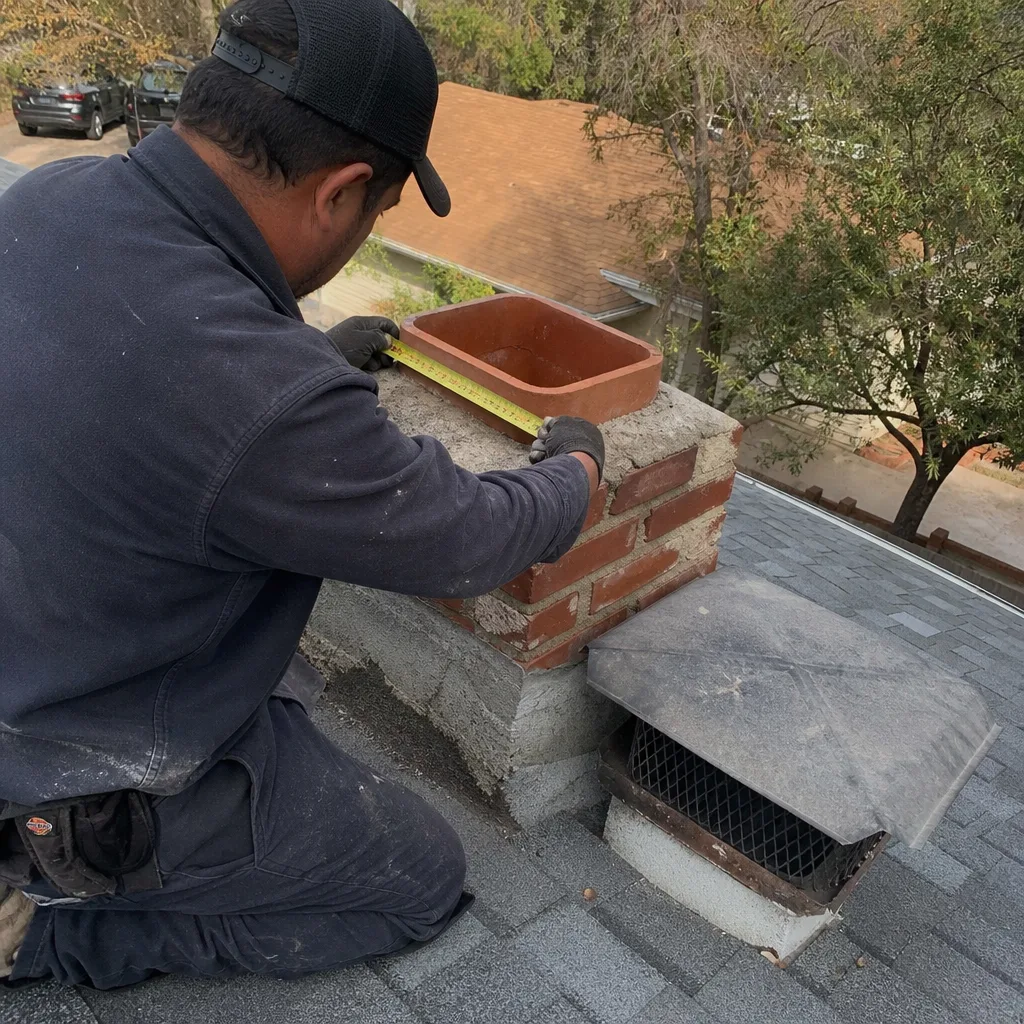
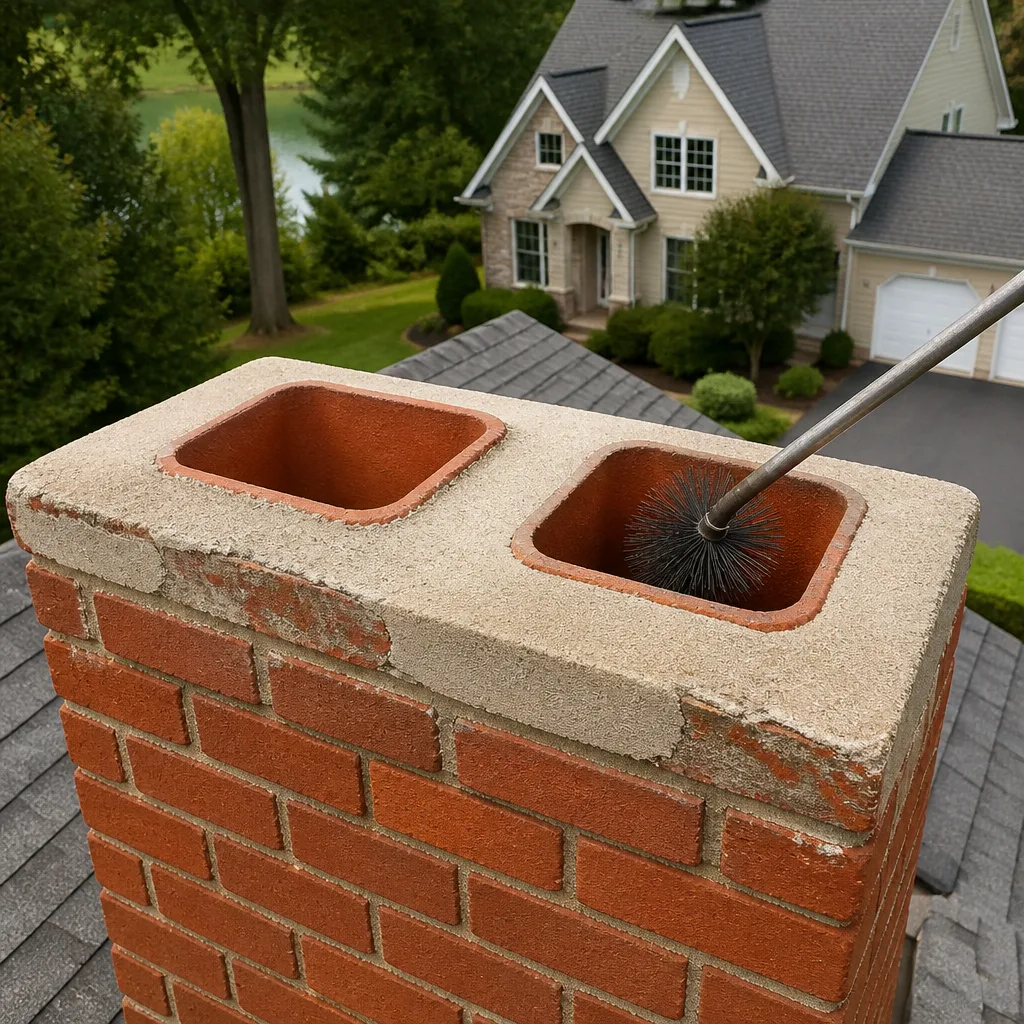
Level 1 sweep and inspection to the NFPA 211 annual standard - flue, crown, cap, and flashing checked and photographed
Chimney sweep logs do not sweep chimneys. They loosen some creosote - which then falls where a brush and vacuum still have to collect it.
Chimney Cleaning Warning Signs: A Tujunga Homeowner’s Reference Guide
A smoky smell in a Tujunga home during a Santa Ana wind event isn’t always a dirty flue. It can be a draft reversal caused by negative pressure in a tight house, a cracked smoke chamber, or a blocked cap. The symptom is identical, but the fix for each is completely different. That’s the trap with chimney problems: the signs you notice from the living room rarely point to the component that’s actually failing, and guessing wrong wastes money or, worse, lets a real hazard sit. This guide maps the warning signs we encounter in Tujunga to the parts of the chimney system they actually implicate, so you can describe what you’re seeing or smelling with enough precision to get the right answer the first time.
Quick Answer
The most reliable chimney cleaning warning signs are a sharp or sour creosote smell that gets worse in warm weather, dark staining or white powder on the firebox walls, smoke rolling back into the room instead of going up the flue, and a white bloom on the exterior masonry. Any of these means the system needs an inspection before the next fire, and one of them, smoke backing up into the house, means stop burning now. The signs look similar on the surface, but each one points to a different component: the flue, the smoke chamber, the cap, or the crown.
Styles & brands we work with
- Sweep & inspection
- Caps & crowns
- Flue relining
- Masonry repair
- Gas fireplace service
Table of Contents
- What do the smells coming from your chimney actually mean?
- What visible signs in the firebox point to liner or smoke chamber damage?
- Why does a fireplace that always worked suddenly smoke?
- What does a white stain on your exterior chimney actually mean?
- How do you read creosote buildup stages?
- When is a warning sign “schedule service” versus “stop burning”?
- What does an annual inspection actually check?
- Common mistakes to avoid
What Do the Smells Coming From Your Chimney Actually Mean?
Smell is the most diagnostic sense a homeowner has, and most people describe three distinct odors as “a chimney smell” when they’re actually three different problems. Learning to tell them apart is the single most useful thing you can do before you pick up the phone.
Active creosote odor. This is the sharp, tarry, almost chemical smell that’s strongest in warm weather when the chimney isn’t in use. It happens because creosote deposits on the flue walls are volatile; heat and humidity pull fumes off them. If you smell it in July, that’s a strong indicator of glazed or heavy buildup that sweeping hasn’t cleared recently. In Tujunga, where summers run hot and dry, a creosote smell in August is one of the most common reasons people call us.
Moisture-and-creosote odor. This one is sour, musty, and slightly acrid, like wet ash. It means water is getting into the flue and mixing with the creosote deposits. The water source is almost always above the flue: a failing crown, a missing or damaged cap, or cracked masonry at the top. The creosote is only half the problem; the intrusion is the other half, and it will keep coming back until the water path is closed.
Exhaust backdraft smell. This is the smell of combustion gases, not creosote. It’s sharper and carries a burnt, gassy edge, and it often shows up when the fireplace isn’t even lit. That’s a pressure problem: the house is pulling air down the flue rather than up. A blocked or undersized cap, a tightly sealed home, or a flue that’s too large for the firebox can all cause it. This is the one to treat seriously – combustion gases backing into the living space are not something to burn through and hope it clears.
If you can’t tell which of the three you’re smelling, describe it over the phone. We ask specific questions about when it appears, whether it’s stronger on windy days, and whether you smell it when the fireplace is cold, because those answers narrow the cause fast. It starts with a chimney sweep and inspection, and we’ll tell you plainly if sweeping is all you need or if something above the flue needs attention.
What Visible Signs in the Firebox Point to Liner or Smoke Chamber Damage?
You can inspect a lot of your own firebox with a flashlight and no tools. The patterns you see inside tell a trained eye which component is failing, and even an untrained one can spot when something is clearly wrong. Here’s what to look for.
- Vertical cracks in the firebox walls. Hairline cracks that follow the mortar joints are usually normal thermal movement. Cracks that run across the brick face, are wider than a hairline, or expose the material behind the brick are not. They can mean the firebox lining has lost structural integrity and heat is reaching the masonry around it.
- Dark staining above the damper. Soot streaks that reach up into the smoke chamber, rather than stopping at the damper, suggest smoke is lingering and condensing there. That’s a draft problem or a smoke chamber that needs resurfacing, not just a cleaning issue.
- White, powdery deposits (efflorescence). This is the residue left when water moves through masonry and evaporates on the surface, leaving salts behind. It’s one of the most reliable early signs of water intrusion into the firebox, and it often shows up before any visible crack does.
- Crumbling mortar joints. If the mortar between firebricks is soft, sandy, or recessed, the firebox is deteriorating. Rebuilding those joints with the right refractory mortar is different work from a sweep.
- Glazed, shiny black buildup on the flue walls. This is stage-three creosote, and it doesn’t sweep off with a brush. It needs to be addressed before the next fire because it’s the fuel load for a chimney fire.
The point isn’t that a homeowner should diagnose their own smoke chamber or try to repair it. It’s that seeing a white bloom or a cross-brick crack lets you describe the problem accurately and helps a technician arrive prepared to do the right work. If a firebox lining is cracked or the smoke chamber is rough and unsealed, we can resurface it with HeatShield rather than recommend a full reline, which is one reason we carry that capability as part of our full-system service. Either way, the plan comes from what we find during the inspection, and you see the findings before anything is recommended.
Why Does a Fireplace That Always Worked Suddenly Smoke?
A fireplace that drafted perfectly for years and then started smoking is nearly always one of three problems. The order below is the order we check them in, because it moves from the easiest to confirm to the hardest to fix.
- Cap blockage. The first thing to rule out, and the most common. Birds, squirrels, nesting material, and accumulated leaf debris all collect in a cap. A mesh screen that’s been crushed or rusted shut does the same thing. In Tujunga, where homes sit close to the foothills and mature trees, wildlife in the cap is a frequent culprit. A visual check from the ground or a quick up-close look settles it. This is exactly the kind of work our chimney cap & crown service covers when the cap itself turns out to be the problem rather than just the blockage.
- Home pressurization. A house is a pressure system. When you tighten it up – new windows, added insulation, weatherstripping – you reduce the air that can be drawn in to feed the fire. The fireplace then can’t pull hard enough to overcome the weight of the cold air sitting in the flue, and smoke comes back into the room. A fireplace that worked fine before a remodel and doesn’t afterward is showing you this. The tell is that it drafts fine on mild days and smokes on cold ones, or smokes worse when the kitchen exhaust fan or bathroom fan is running.
- Flue sizing mismatch after insulation or a wood stove insert. A flue that’s too large for the firebox or the insert cools the exhaust gases before they reach the top, and cool gas doesn’t rise. Upgrading insulation or adding an insert without matching the flue to the new appliance can create a mismatch that didn’t exist before. This one needs the flue measured and compared to the appliance’s requirements; it’s not something you fix by opening a window.
If your fireplace has started smoking and you’re not sure which of these is happening, don’t keep burning to test it. A blocked cap can push gases into the room, and that’s a carbon monoxide risk. Call us, and we’ll inspect the full system rather than guess. It’s also worth knowing that a proper cap fitted for your flue, rather than a generic hardware-store cover, prevents a lot of blockage problems from the start; that’s why we work with names like Gelco and Famco for fitted caps.
What Does a White Stain on Your Exterior Chimney Actually Mean?
A white, chalky bloom on the outside of your chimney is one of the most reliable early indicators of water intrusion, and it’s also among the most ignored. Homeowners see it and assume it’s cosmetic or old paint. It usually isn’t either one.
The stain is efflorescence: water has moved into the masonry, dissolved salts from within the brick or mortar, and carried them to the surface, where they dry and leave the deposit. The bloom itself is harmless. What it tells you is that water is getting into the chimney from somewhere above, and that path will keep widening until it’s closed.
The three usual entry points:
- The crown. The concrete slab at the very top of the chimney. Cracks in the crown let water run straight down into the masonry. A crown that’s cracked, spalling, or pulling away from the flue is the number one source.
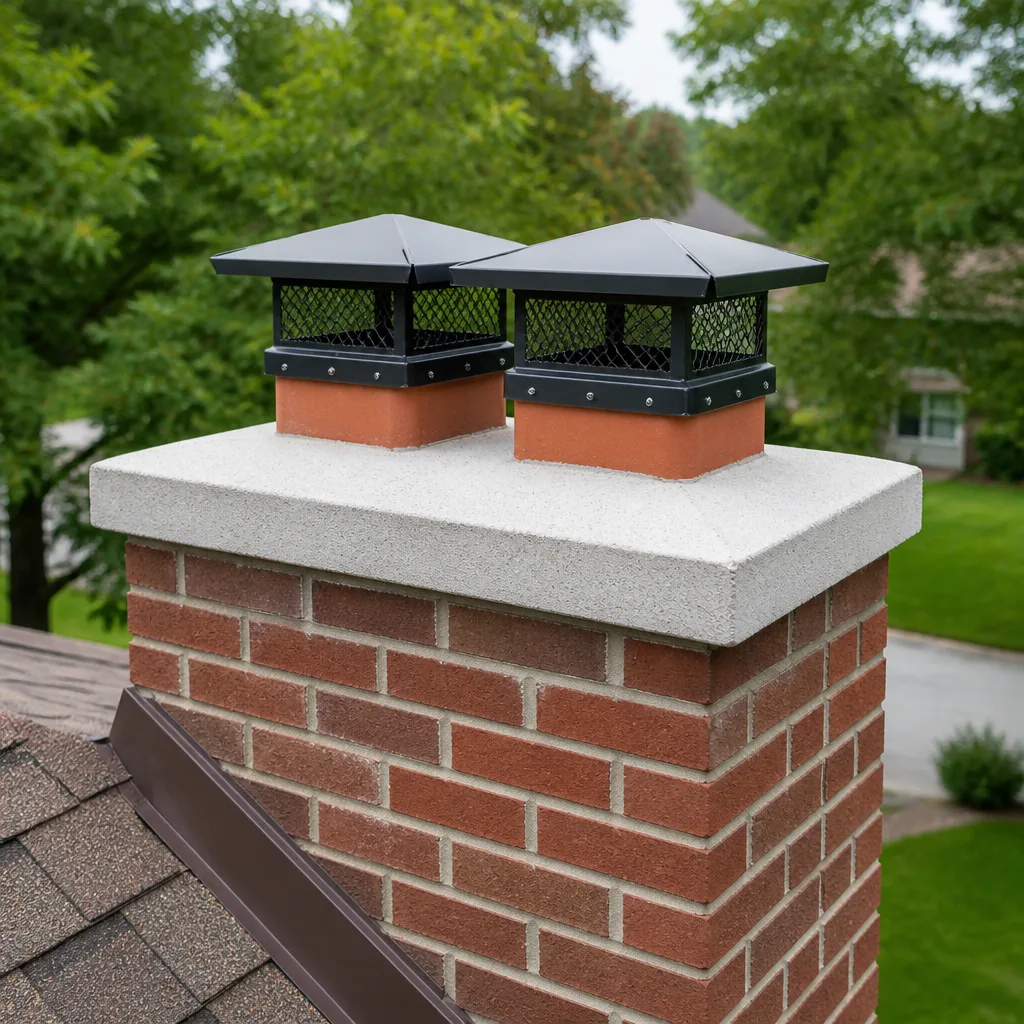
- The cap. A missing, loose, or incorrectly sized cap leaves the flue open to rain. A fitted cap sheds water away from the flue rather than letting it in.
- Mortar joints and flashing at the roofline. Failed joints or flashing that’s separated from the chimney let water track down the side.
Water intrusion matters because it damages the parts of the chimney you can’t see. A wet flue liner degrades faster, and masonry that stays damp through a wet season will eventually spall and crack. The mild winters in Tujunga mean the freeze damage you hear about in colder regions isn’t the main issue here; the problem is steady moisture cycling through masonry over months, which is slower and easier to miss. If you see the white bloom, get the crown and cap looked at before the next rainy season. In our experience, a crown repair caught at the efflorescence stage is far less work than the masonry rebuild that follows a few damp years later. When the crown or cap is the problem, our chimney cap & crown work handles the fix in one visit.
How Do You Read Creosote Buildup Stages?
Creosote is the residue left when wood smoke cools on the flue walls, and it comes in three stages that behave very differently. Knowing which stage you’re dealing with tells you whether a brush sweep will clear it or whether the flue needs more than that.
- Stage one: soot and light flake. A thin, dusty, ash-like coating. It brushes off cleanly with a standard sweep. This is what a flue looks like after a season of regular burning with dry wood.
- Stage two: flaky, crusty, tarry. A heavier deposit that’s begun to harden into crusts or flakes. It comes off with a brush and some effort, and it’s the reason we pay close attention to the condition of the flue walls during a sweep.
- Stage three: glazed, shiny, hard. This is the one that matters most. Glazed creosote has baked onto the flue wall and won’t come off with a brush. It’s concentrated fuel, and it’s the most common cause of chimney fires. A flue at stage three needs more than cleaning; it may need resurfacing or relining to bring it back to safe condition.
Several things push a flue toward stage three. Burning unseasoned or wet wood is the biggest. So is a flue that runs cool because it’s oversized for the firebox, or an appliance that’s been smoldering rather than burning hot. In Tujunga, where wood may be stored through a dry summer and piled in before the first cool evenings, “seasoned enough” is a judgment call many homeowners get wrong. If the wood feels heavy, smells green, or hisses when it burns, it’s not dry enough.
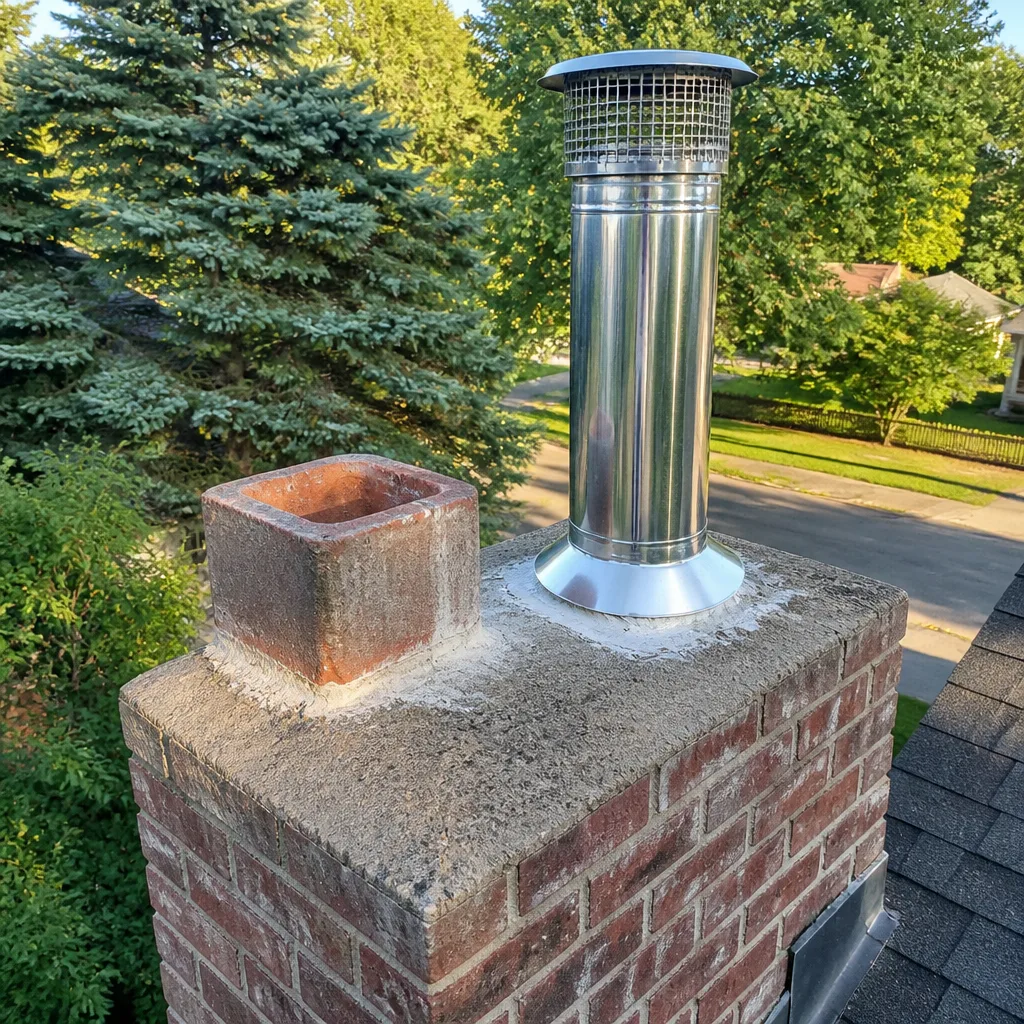
You can’t reliably judge creosote stage from the ground or through the firebox opening. It takes a proper look at the full length of the flue. When we sweep, we see the whole flue and can tell you what stage you’re at and whether the flue needs resurfacing with HeatShield or relining with DuraFlex to get back to safe condition.
When Is a Warning Sign “Schedule Service” Versus “Stop Burning”?
This is the decision most homeowners get wrong, usually in the direction of waiting too long. The line is clearer than it feels. Here’s how to sort a warning sign into one of three categories.
Stop burning now. These signs mean the system is compromised and using it risks pushing combustion gases into the home or starting a fire inside the flue:
- Smoke rolling back into the room when the fire is burning
- A strong exhaust or backdraft smell when the fireplace is cold
- Visible glazed creosote on the flue walls, or any indication of a past chimney fire (a roaring sound, a rumbling, or a sudden puff of black smoke from the top)
- A cracked or crumbling firebox lining with exposed material behind it
- Any crack you can see through into the space around the flue
If you’ve had a chimney fire, stop burning and call us before you light again, whether or not the fire seemed to put itself out. These are the cases where an inspection isn’t optional.
Schedule service, don’t ignore it. These signs are real but not urgent to the point of avoiding the fireplace for a few days:
- A white efflorescence bloom on the exterior masonry
- A mild creosote smell when the chimney is out of use
- A cap that’s loose, damaged, or seems to be missing a piece
- A crown that’s visibly cracked but not yet crumbling
- A slow draft that’s worse on cold days but still works on mild ones
Schedule service before the burning season. These aren’t yet problems, but they’re risk factors worth addressing before fall:
- A flue that hasn’t been swept in a year or more of regular burning
- Smoke stains around the firebox opening or on the mantel that weren’t there last season
- Burning wood that isn’t fully seasoned
When in doubt, call. We answer 24/7 and can talk through what you’re seeing before you decide whether to light the fireplace tonight. The point of the inspection is to tell you which category you’re in with certainty, not to sell work.
What Does an Annual Inspection Actually Check?
An annual inspection isn’t a quick look up the flue. A thorough one checks the whole system, top to bottom, and it’s what turns the warning signs above into a clear picture of the chimney’s condition. Here’s what we walk through.
- The firebox and smoke chamber. We check the firebox lining for cracks and the mortar joints for deterioration, then look at the smoke chamber for rough surfaces or gaps that trap smoke and creosote.
- The damper. It should open and close fully and seal when closed. A damper that sticks or doesn’t seal lets heat and gases escape when the fireplace is out of use.
- The flue, full length. We check for creosote stage, cracks, gaps at the joints, and any obstruction. If we find a damaged or deteriorating liner, we can reline with DuraFlex or resurface with HeatShield without you needing a separate contractor.
- The cap. We check the cap’s fit and condition, the mesh screen, and whether it’s blocked. A damaged cap is replaced with a fitted one, not a generic cover.
- The crown. We inspect the crown for cracks, spalling, and separation from the flue. Crown repair is one of the main things that prevents water intrusion, and it’s often the whole reason efflorescence appeared in the first place.
- The exterior masonry and flashing. We look for staining, efflorescence, and failed joints at the roofline.
We take photos as we go, so you’re looking at the same thing we’re looking at. If we find a problem, we can act on it in the same visit when it’s a straightforward fix, or lay out a clear follow-up scope when it isn’t. You don’t get a finding and a referral to a contractor you’ll have to call yourself. That’s what full-system service means in practice.
Common Mistakes to Avoid
- Assuming a clean flue is a safe flue. A swept chimney can still have a cracked crown, a damaged cap, or glazed creosote on the walls. Cleaning addresses creosote; it doesn’t address the structure around it, and the structure is where the dangerous problems live.
- Ignoring the white efflorescence on the exterior. The bloom is easy to dismiss as cosmetic because it doesn’t smell or smoke. It’s the early warning for water intrusion, and the crown that’s letting water in is much easier to repair than the masonry that follows a few damp seasons later.
- Burning “seasoned” wood that isn’t. Wood that’s heavy, green-smelling, or hisses when it burns isn’t dry enough. It produces more creosote and pushes your flue toward stage three, which is the stage that needs resurfacing instead of a brush sweep.
- Sealing up a tight house and expecting the fireplace to behave the same. Once windows and insulation are tightened, a fireplace can lose the air it needs to draft. If smoke appears after a remodel, the problem is pressure, not the flue being dirty.
- Lighting a fire after smoke has rolled back into the room. Backdraft pushes combustion gases into the home, and carbon monoxide is part of that mix. Stop burning and get the system inspected before the next fire.
- Hiring a sweep who won’t look at the cap and crown. The most common water intrusion problems are at the top of the chimney, and a one-task sweep that skips the top leaves you with half a picture. Ask whether the inspection covers the cap and crown before you book.
- Waiting until the middle of the burning season to call. The best time to address the warning signs in this guide is before the first cool evening, not after the smell has gotten strong or the draft has failed. Booking a sweep and inspection before the season starts means everything is checked when you’re not depending on the fireplace for warmth.
See the difference
 Before
 After
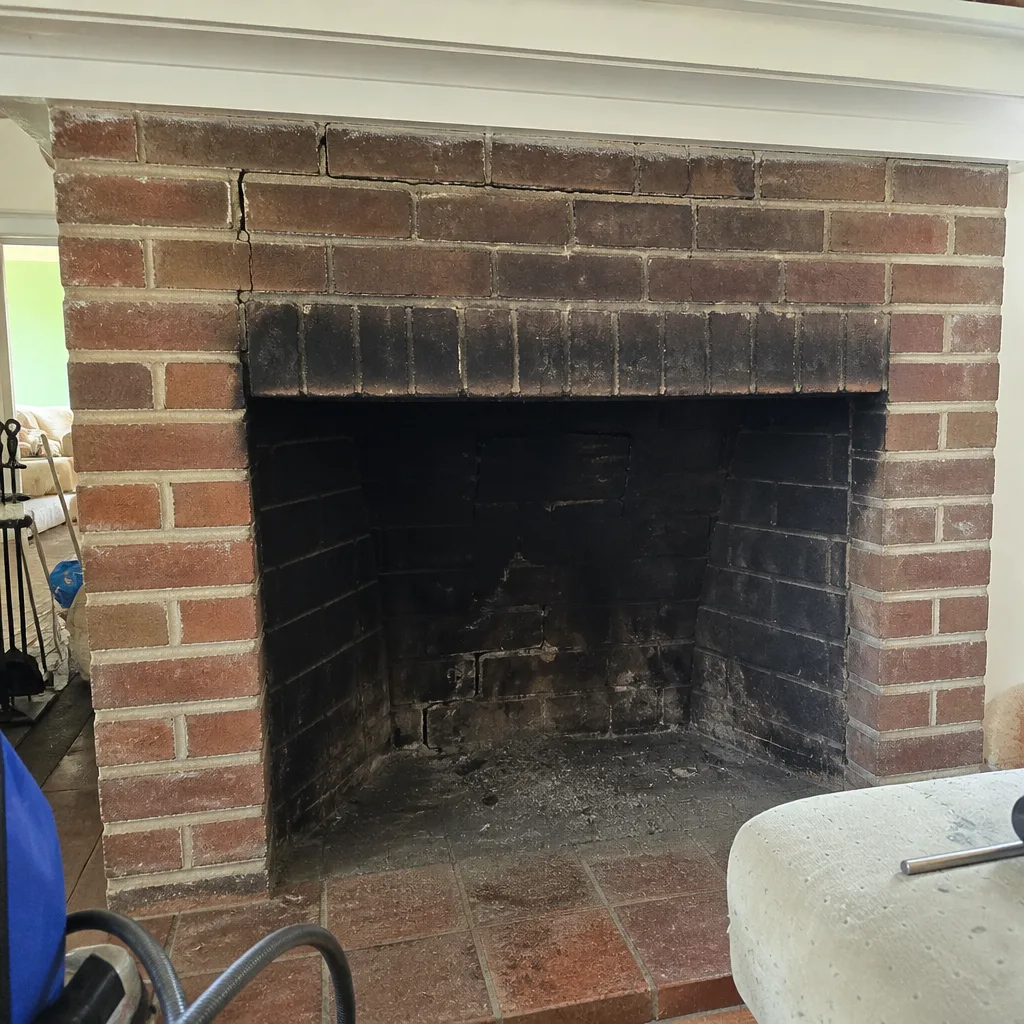 Before
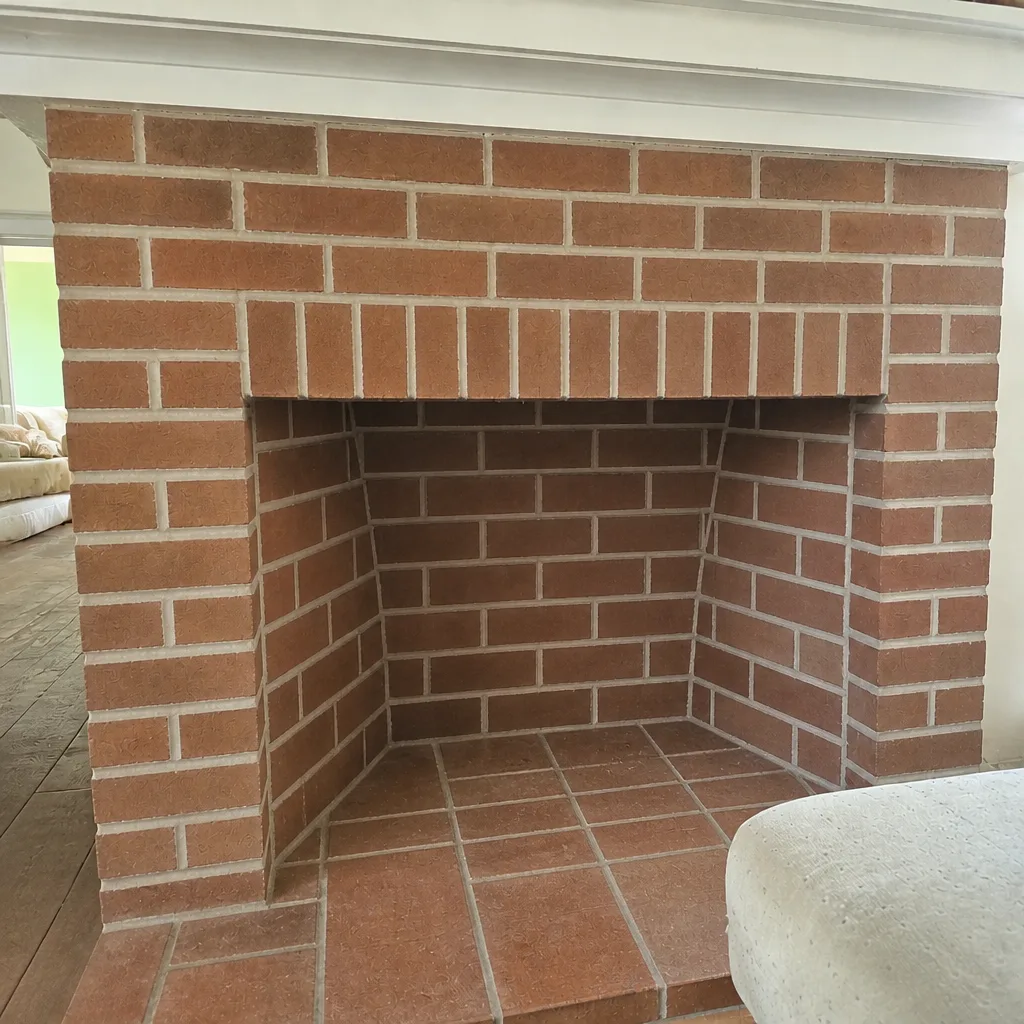 After
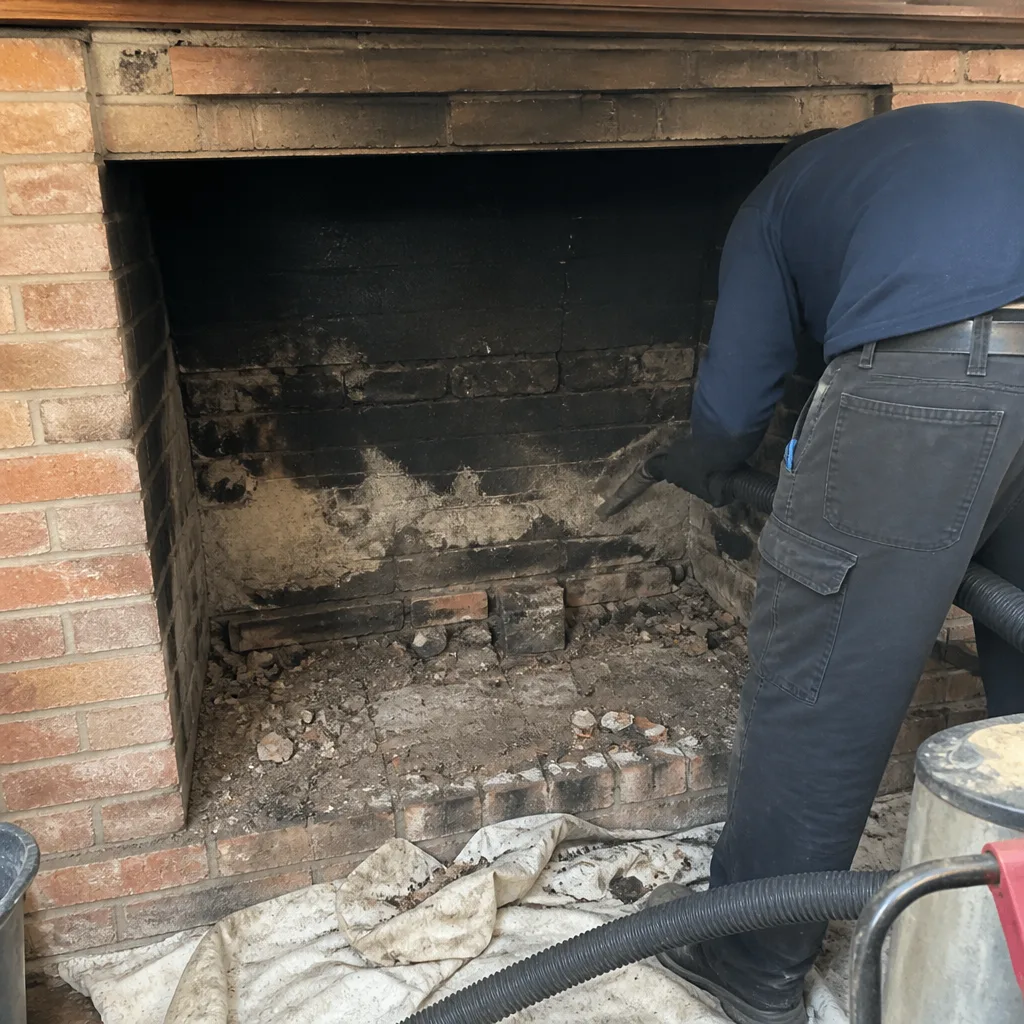 Before
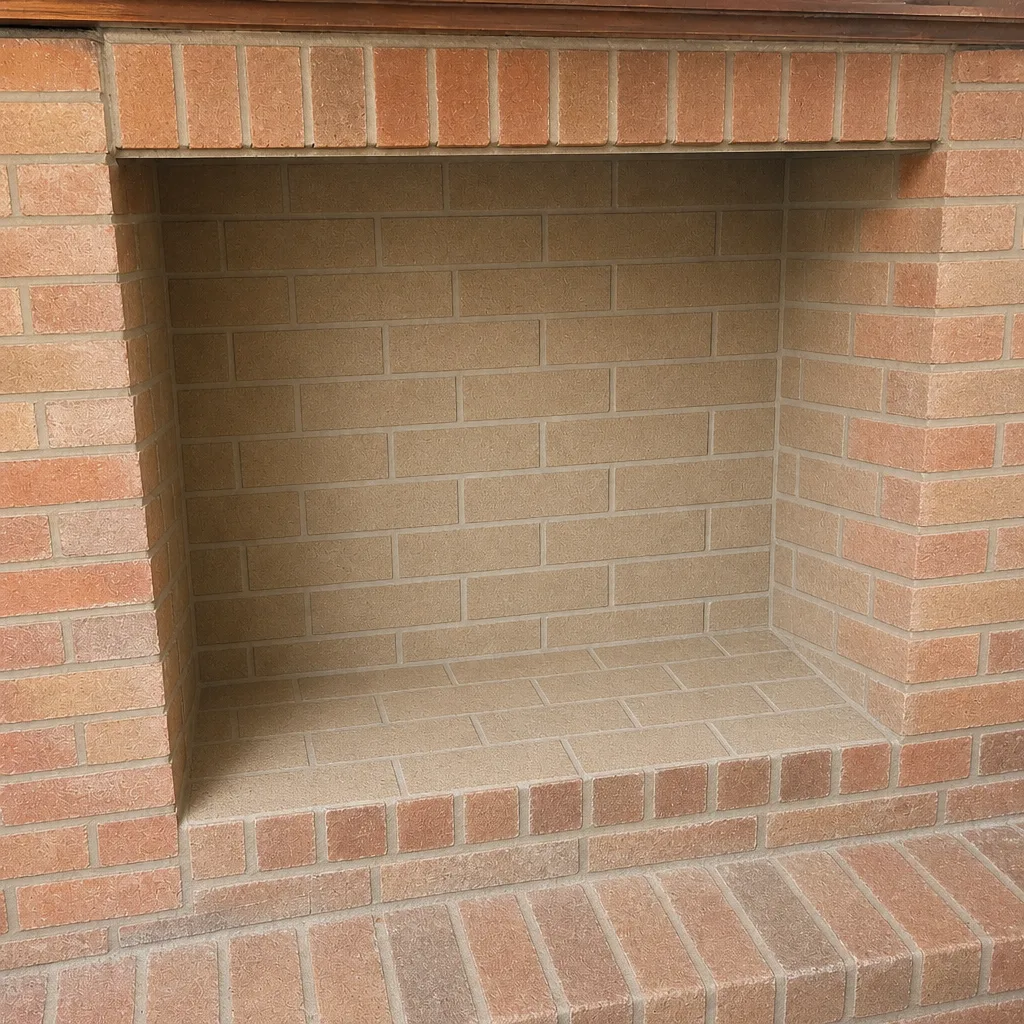 After
When to Call a Professional
Some signs in this guide are safe to note and book for later. Others need a call before you light another fire. If smoke has rolled back into the room, if you smell exhaust rather than creosote, if you see glazed creosote on the flue walls, or if there’s a crack in the firebox lining you can see into, stop burning and call before the next fire. If you’ve seen a white bloom on the exterior, a cracked crown, or a mild creosote smell through the summer, schedule the inspection before the burning season rather than after. In our experience, letting these signs sit for another season is what turns a crown repair into a masonry rebuild and a stage-two flue into a reline. Chimney Sweep Tujunga offers free estimates in Tujunga. Call (844) 968-2733. We answer 24/7. Fast dispatch from 7am to 7pm, Sunday through Friday.
Frequently Asked Questions
The earliest reliable signs are a sharp creosote smell when the fireplace is cold, lighter soot and smoke staining above the damper, and a draft that’s weaker than it used to be. These appear before anything dramatic, which is exactly why an annual inspection catches problems early. If you notice any of them, call (844) 968-2733 for an exact quote. Estimates are free.
A creosote smell in summer is normal when there’s buildup in the flue, because heat and humidity pull volatile fumes off the deposits. The smell is worse in Tujunga’s hot, dry summers because there’s more heat to drive it off the flue walls. A sweep clears it. If the smell is sour and musty rather than sharp, water is getting in, and the crown or cap needs attention. Call (844) 968-2733 for a free estimate.
No, the white stain itself is harmless. Efflorescence is just salts left behind when water evaporates from the masonry. What it signals is dangerous over time: water is entering the chimney and will keep damaging the flue and masonry until the entry point is closed. Treat it as a prompt to get the crown and cap inspected. Call (844) 968-2733 for an exact quote. Estimates are free.
The most common causes are a blocked cap, a house that’s become too tight to feed the fire, or a flue that’s mismatched to the firebox after insulation or an insert change. A blocked cap is the first thing to rule out, and it’s often the answer. We inspect the full system to find the actual cause. Call (844) 968-2733 to book a sweep and inspection.
You can clear loose soot yourself with the right brushes, but you can’t reliably check the flue walls for cracks, glazed creosote, or a failing crown from the firebox opening. Those are the findings that matter. If you’ve found a glazed or hard, shiny coating on the flue walls, stop burning and get it looked at. Call (844) 968-2733 for a professional sweep and inspection.
Yearly, before the burning season, if you burn regularly. A flue with heavy use or a lot of creosote buildup may need sweeping sooner. The annual inspection also catches exterior problems like a cracked crown or damaged cap before the rainy season, which matters more in Tujunga than the freeze damage you hear about in colder areas. If you’re not sure when you last had a sweep, call (844) 968-2733.
The Bottom Line
Chimney warning signs are almost always visible or smellable long before they become emergencies. The trick is that similar symptoms point to different parts of the system: a smoky smell can be creosote, water intrusion, or backdraft, and the fix is different for each. A white bloom on the masonry means water is entering at the crown or cap. Smoke rolling back into the room means stop burning now. Once you can describe what you’re seeing and smelling precisely, you can get the right answer the first time. We find it, and we fix it, from sweep to crown to reline. If anything in this guide sounds familiar, a Chimney Sweep Tujunga inspection gives you a straight answer. Call (844) 968-2733. We answer 24/7. Fast dispatch from 7am to 7pm, Sunday through Friday.
Written by the team at Chimney Sweep Tujunga.