
Last updated November 20, 2026
 Sweep & inspection
 Caps & crowns
 Flue relining
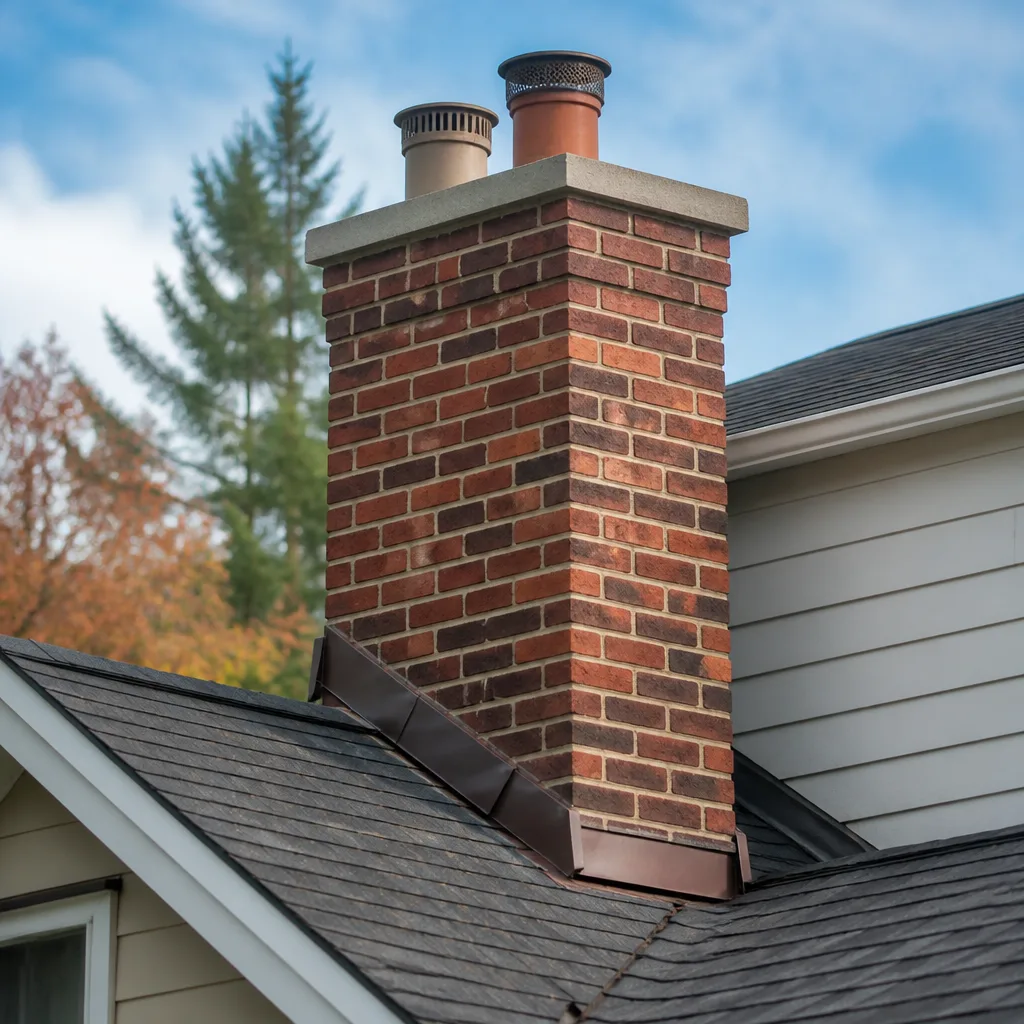 Masonry repair
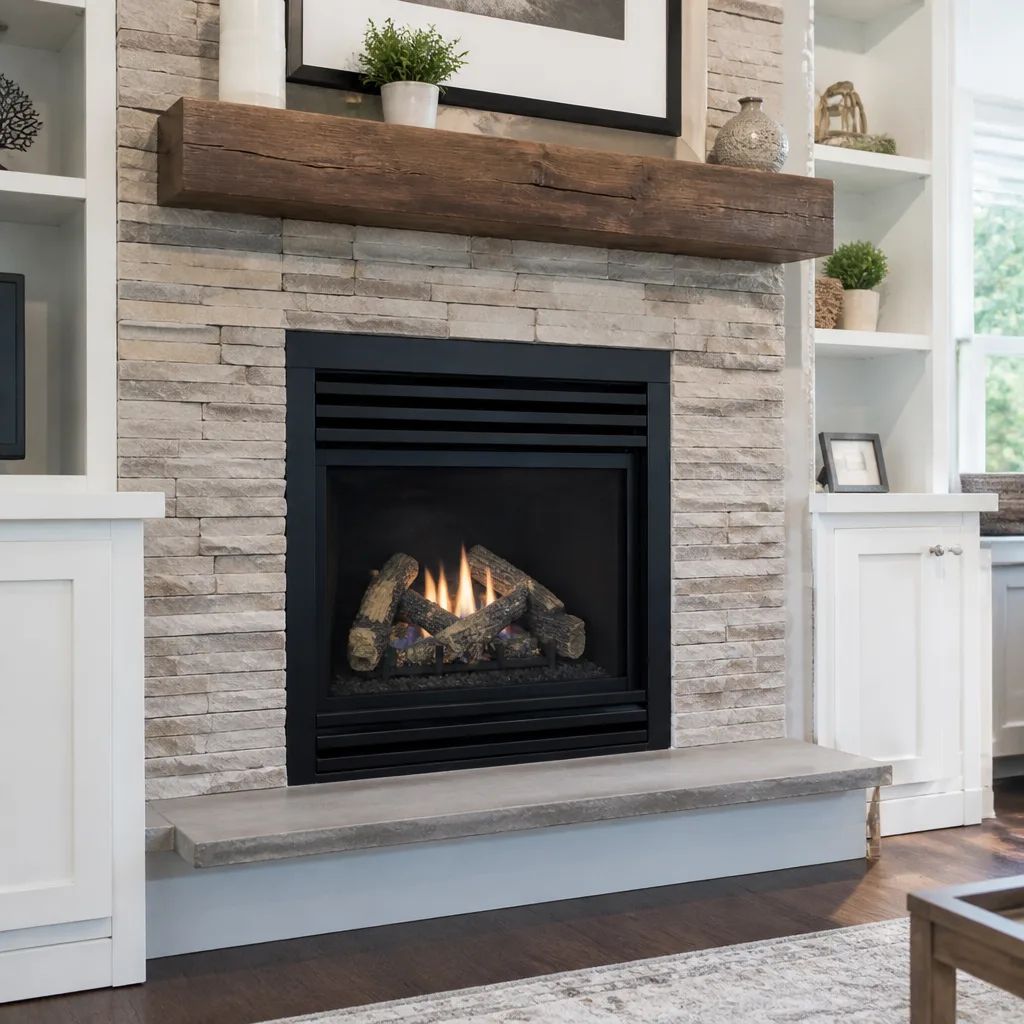 Gas fireplace service
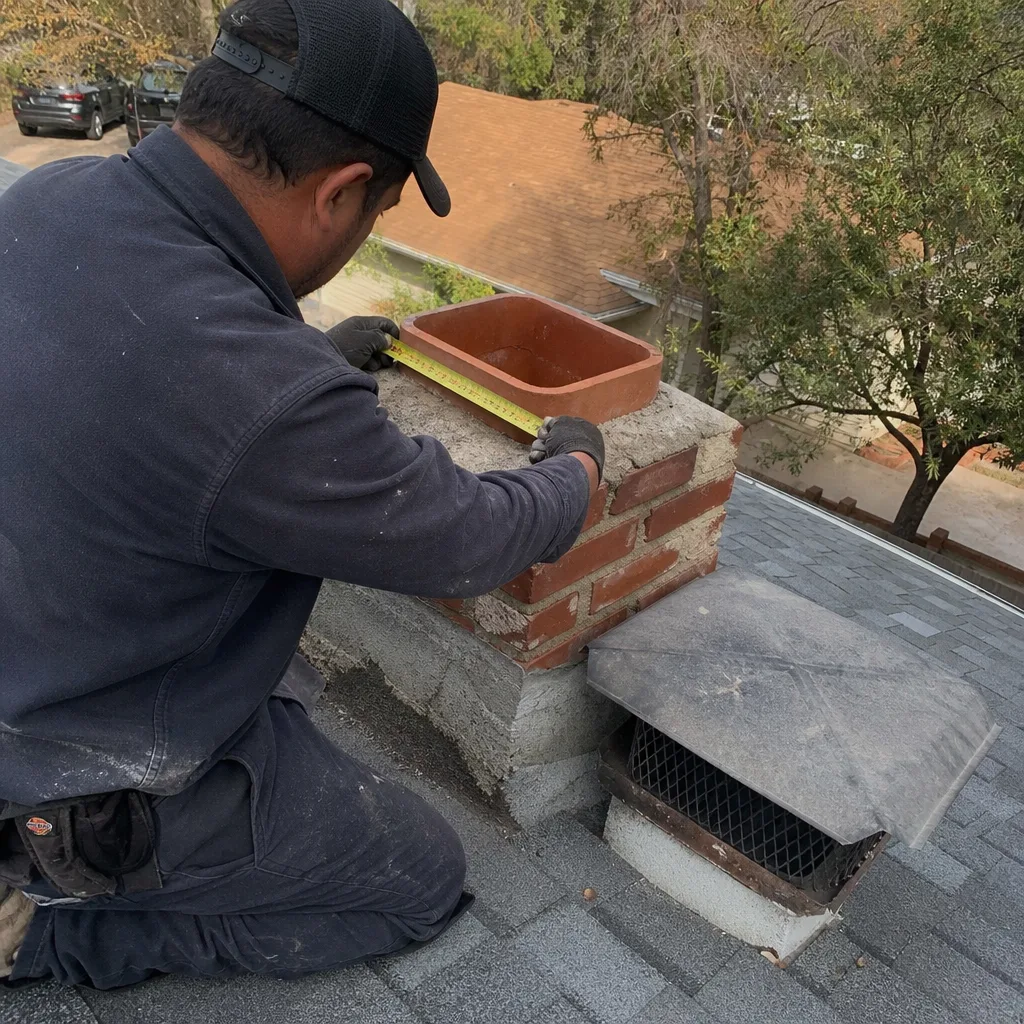
Level 1 sweep and inspection to the NFPA 211 annual standard - flue, crown, cap, and flashing checked and photographed
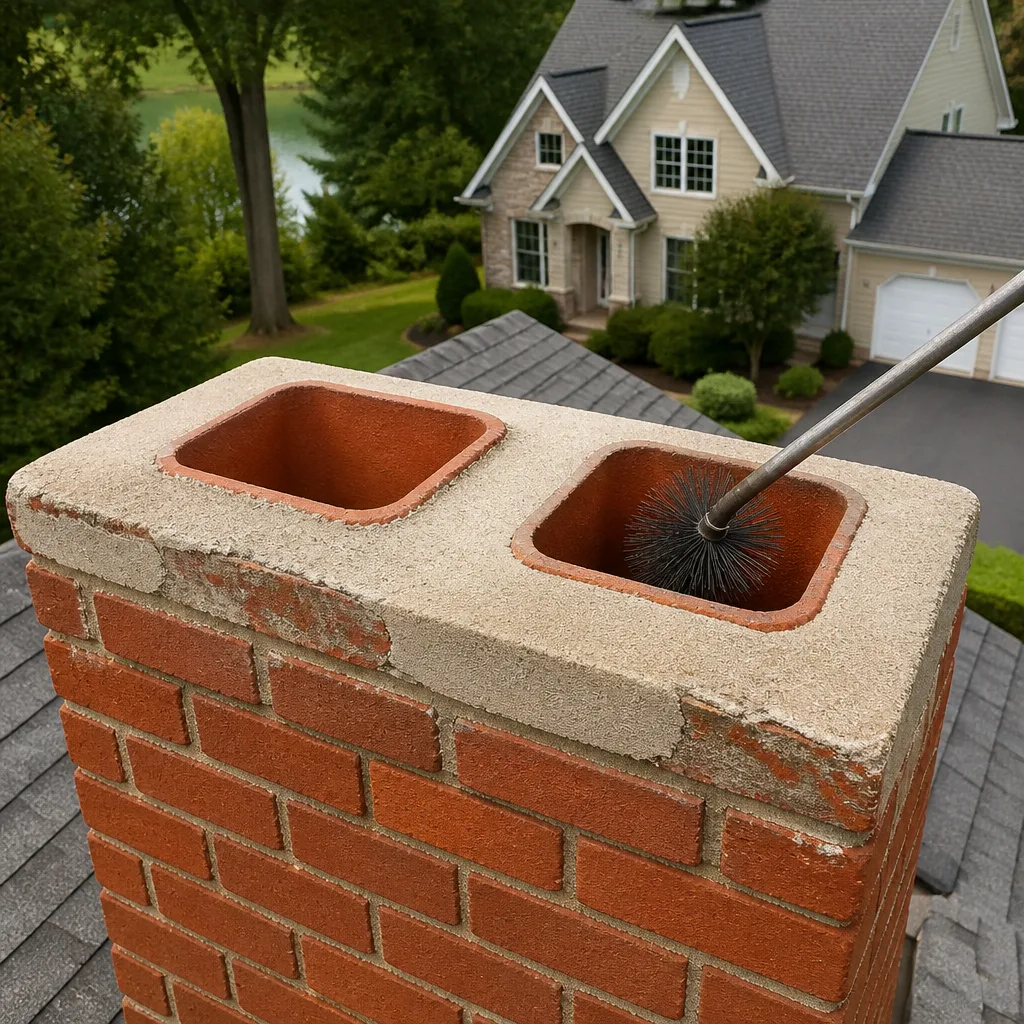
Chimney sweep logs do not sweep chimneys. They loosen some creosote - which then falls where a brush and vacuum still have to collect it.
Chimney Cleaning Permits, Codes & Inspections in Tujunga, CA: What You Need to Know
Most people assume a chimney sweep is a chimney sweep, and the paperwork is somebody else’s problem. That’s the mistake. In Tujunga, a routine cleaning usually needs nothing from the city, but the moment a liner gets replaced or a firebox gets rebuilt, you’ve crossed into permitted work under Los Angeles County rules, and the difference matters at resale, at insurance renewal, and after a house fire. This guide walks through where that line sits, which codes actually apply, how AQMD Rule 445 shapes wood burning in the San Fernando Valley air basin, and how to pull the inspection history on your own chimney system so you know what you’re living with.
Quick Answer
Routine chimney cleaning in Tujunga does not require a permit. Structural work on the chimney system does. That means liner replacement, firebox reconstruction, appliance installation or conversion, and exterior chimney rebuilds all fall under Los Angeles County permitting and California Building Code review. Cap and damper replacement, minor repointing, and standard sweeping are considered maintenance and don’t trigger a permit. If you’re buying or selling a home in Tujunga, ask for the permit history on any relining work before you close.
Styles & brands we work with
- Sweep & inspection
- Caps & crowns
- Flue relining
- Masonry repair
- Gas fireplace service
Table of Contents
- Where the Permit Line Falls in Los Angeles County
- What California Building Code Chapter 10 Requires
- AQMD Rule 445 and Wood Burning in Tujunga
- How to Pull Your Chimney’s Inspection Record
- The Permit Question at Escrow in Tujunga
- What a Level 2 Inspection Actually Covers
- Documentation You Should Keep
Where the Permit Line Falls in Los Angeles County
The simplest way to think about it: cleaning is maintenance, and rebuilding is construction. Sweeping removes creosote and soot from an existing, unchanged flue. Relining changes the flue itself, which is a structural alteration to a system designed to contain combustion products. Los Angeles County treats those two categories very differently, and so should you.
Work that generally requires a permit in Tujunga and the rest of unincorporated Los Angeles County:
- Liner replacement or installation – a new stainless liner, a cast-in-place resurfacing system, or any change to the flue’s interior geometry
- Firebox reconstruction – rebuilding masonry that has spalled or cracked, or replacing a factory-built firebox
- Appliance installation or conversion – swapping a wood-burning insert for gas, adding a new stove, or changing the fuel type
- Exterior chimney rebuilds – taking down and reconstructing the stack above the roofline, which is common on older Tujunga homes after years of water damage
Work that generally does not require a permit:
- Standard sweeping and creosote removal
- Minor repointing of mortar joints
- Chimney cap and damper replacement
- Crown sealing where no structural rebuild is involved
- Visual inspection and camera inspection
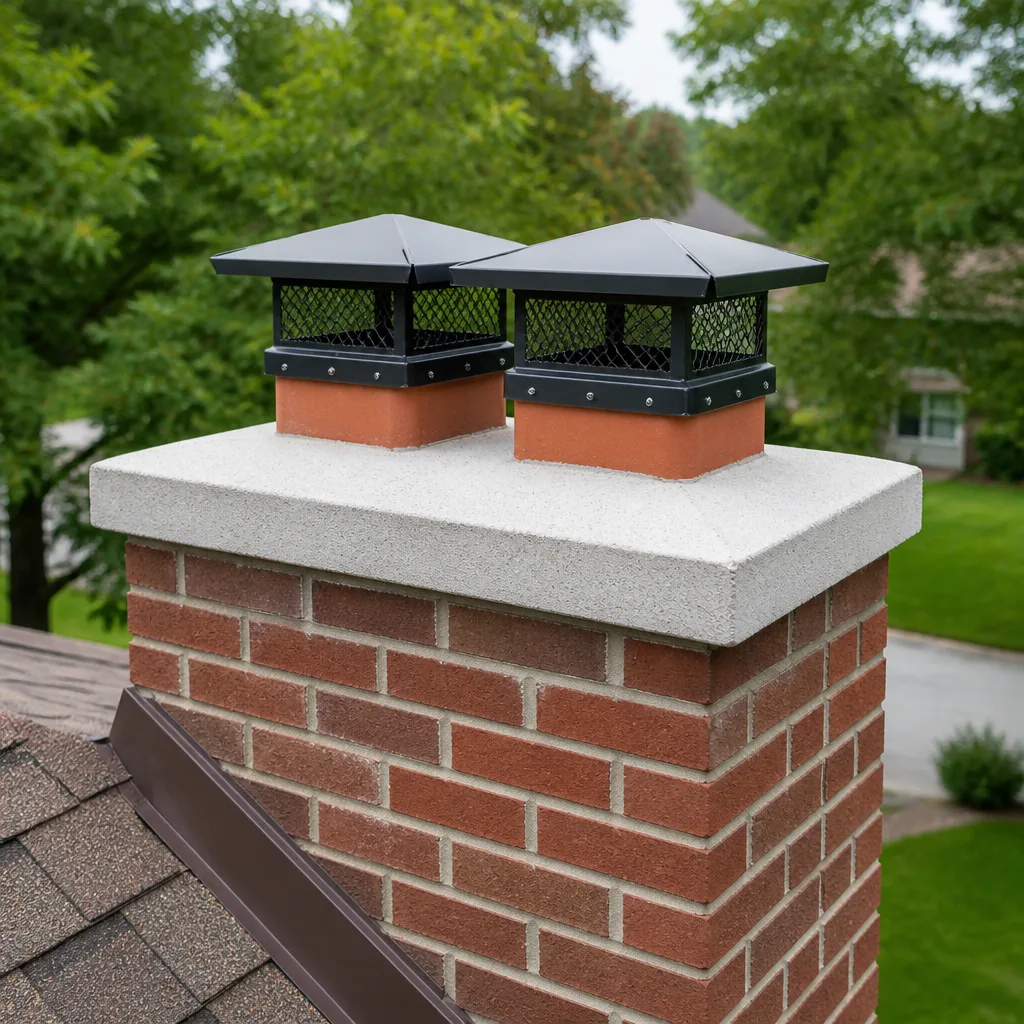
We get asked constantly whether a cap counts as construction. It doesn’t. A fitted chimney cap & crown is maintenance and weatherproofing, and it’s one of the highest-return pieces of work on the whole system because it keeps rain and wildlife out of the flue.
One caution: the boundary isn’t always obvious from the ground. A “simple recrown” that turns into replacing the top three courses of brick is now a rebuild. That’s why the inspection comes first and the scope gets written down before anyone picks up a trowel.
What California Building Code Chapter 10 Requires
California Building Code Chapter 10 covers chimneys and fireplaces, and it draws a hard distinction between factory-built and masonry systems. The rules aren’t interchangeable, and applying the wrong standard to the wrong system is one of the most common problems we find in Tujunga homes.
Masonry chimneys
Masonry systems are governed by requirements on wall thickness, flue lining, clearance to combustibles, and hearth extension dimensions. The core idea is that a masonry chimney has to be lined with a material rated for the temperatures and corrosive byproducts of combustion, and the lining has to be continuous. A clay tile flue with cracked or offset joints is not a compliant flue, even if it was when the house was built. Homes in Tujunga built in the middle of the last century frequently have original clay tile liners that have since developed gaps.
Factory-built chimneys
Factory-built fireplaces and stoves are listed assemblies, and Chapter 10 requires that they be installed according to the manufacturer’s listing. That means no substitutions on the venting, no mixing of one maker’s components with another’s, and no field modifications. If a previous owner swapped in a liner that isn’t listed for that appliance, the system is out of compliance regardless of whether it works. This is where brand-specific parts matter. DuraFlex liners are listed systems, not generic tube, and using a listed component is the difference between a compliant install and a liability.
Clearance to combustibles
Chapter 10 sets required clearances between the chimney and framing, insulation and other combustible material. These clearances get compromised over the decades by remodels, added insulation, and roof work. We find reduced clearance on a meaningful share of the older homes we inspect in Tujunga, usually because a previous renovation closed a gap that was supposed to stay open.
What this means for you
If your chimney was built or altered under a permit, the work should have been inspected against these standards. If it wasn’t, you’re holding a system with no verification behind it. That’s the exposure. It doesn’t announce itself. It just sits there until an inspector, a buyer’s agent, or an insurance adjuster starts asking questions.
AQMD Rule 445 and Wood Burning in Tujunga
Tujunga sits inside the San Fernando Valley air basin, which is regulated by the South Coast Air Quality Management District. AQMD Rule 445 restricts wood burning on designated no-burn days and sets requirements around what kind of appliances can be installed and used. If you burn wood in Tujunga, this rule affects you directly, whether or not you’ve ever thought about it.
The practical points:
- No-burn days are real. AQMD issues them based on forecast air quality, and burning on a no-burn day can result in a fine. Check the district’s current status before you light a fire.
- New installations are restricted. Rule 445 limits the installation of non-EPA-certified wood-burning devices in the district. If you’re adding or replacing an appliance, it needs to meet current certification.
- Older non-certified units get squeezed over time. A fireplace or insert that predates certification requirements isn’t automatically illegal to own, but it limits your options and it’s a flagged item in many real estate transactions.
Here’s the piece most homeowners miss: the rule affects what work you can legally do, which in turn affects whether a permit is even issuable. If you’re converting an old open fireplace to a certified insert, that’s a permitted appliance installation under both county rules and Rule 445. If you’re keeping the old unit, your sweep and inspection schedule carries more weight, because there’s no modern pollution control doing the work for you.
For a home in Tujunga with a pre-certification fireplace, a Level 2 inspection every year matters more than it would in a newer house. You’re managing an older system under tighter rules, and the only way to know its condition is to look at it with a camera.
How to Pull Your Chimney’s Inspection Record
If you want to know what’s been done to your chimney in Tujunga, the county has a paper trail and you can request it. Los Angeles County Department of Public Works maintains building permit and inspection records, and the process is straightforward if occasionally slow.
- Find your parcel number or address. Use the address as it appears on your property tax bill, not the one on your mailbox. Mismatches slow the search down.
- Contact LA County Public Works building and safety records. Requests can be made through the department’s records process. Ask specifically for the permit history on the property, not just the current certificate of occupancy.
- Ask for the chimney-specific permits. Vague requests get vague results. Request permits referencing chimney, flue, fireplace, hearth, masonry, or venting.
- Request the inspection cards. A permit that was pulled but never inspected shows up differently than one that was pulled, inspected and signed off. The inspection card is the proof of the work.
- Compare against what’s physically there. If the record shows a liner permit from a decade ago but the flue is bare clay tile, the liner either never went in or isn’t what was permitted.
What this record tells you:
- Whether major work on the chimney was done legally
- Whether that work was actually inspected and approved
- The date and scope of the last permitted alteration
- Whether the current configuration matches what was approved
What it doesn’t tell you is the current condition of the system. A permit signed off years ago says nothing about today’s cracks, gaps or creosote load. That’s what a physical inspection is for, and the two together give you the full picture. Pull the record, then get a camera in the flue.
The Permit Question at Escrow in Tujunga
Here’s a scenario that comes up in Tujunga more than it should: a home goes into escrow, the buyer’s inspector runs a camera up the flue, and it turns out a relining job done years earlier was never permitted. Nobody lied, exactly. The seller may not have known. But the transaction now has a problem, and it has to be resolved or disclosed before it closes.
What a real estate agent won’t always tell you is how much leverage the permit record creates. An unpermitted liner is a documented defect. It can delay closing, invite a price renegotiation, or in some cases stall the sale outright until the work is brought into compliance. On the selling side, that’s a headache you can prevent by finding out now rather than at the worst possible moment.
The buyer’s checklist for a Tujunga home with a chimney:
- Request the county permit history on the property and read the chimney-related entries
- Ask for receipts and documentation from any relining, firebox work or appliance replacement
- Commission a Level 2 inspection with a camera before the inspection contingency expires
- Compare the physical flue to what the paperwork says was installed
- Get the scope of any necessary repair written down, with photos, so it can be negotiated
The seller’s checklist is shorter: know what’s there before you list. A pre-listing inspection with photos lets you make a decision on your own timeline. Either fix it or price it in. Both are better than a surprise two weeks before closing.
What a Level 2 Inspection Actually Covers
Not all chimney inspections are the same, and the level matters for permitting and real estate purposes. A Level 1 inspection is a visual check of readily accessible parts, appropriate for a system with no known problems. A Level 2 inspection goes further and includes a camera run through the flue. That’s the standard for a home sale, a change in appliance, an after-fire evaluation, or any time the flue’s interior is in question.
A Level 2 inspection in Tujunga should cover:
- The flue interior, top to bottom, with photo documentation you can see
- The firebox, damper and smoke chamber
- The chimney exterior, crown, cap and flashing at the roofline
- Clearance to combustibles at the attic, roofline and any chase penetration
- The appliance connection, including whether it’s listed for the appliance
- The condition of the liner joints, if a liner is present
- The hearth extension dimensions against code requirements
Our technicians have up to 9 years of experience and the camera report is part of the job, not an upsell. You should be looking at the same photos we’re looking at, with the same interpretation. When we recommend a repair, we can point to the crack or the gap on the screen and let you decide whether the evidence supports the work.
That matters most when the answer is “this can wait.” Not every finding is urgent, and we say so plainly. A hairline crown crack that needs sealing is not the same as a displaced tile joint letting combustion gas into a chase. Both deserve mention; only one deserves a same-visit repair. If you want the broader picture of what a routine visit involves, our page on a chimney sweep covers the cleaning side, and the inspection goes deeper than that.
Where a Level 2 uncovers liner damage, the repair conversation usually turns on whether the existing liner can be resurfaced or has to be replaced. HeatShield resurfacing works on certain liner configurations and restores a continuous flue surface without a full reline; other conditions call for a new DuraFlex liner. Both are permitted work under county rules, which brings us back to the paperwork.
Documentation You Should Keep
A chimney system with a paper trail is worth more than one without, and that’s as true at a refinance or an insurance claim as it is at escrow. Keep the following together, physically or in a single digital folder:
- The county permit number and final inspection sign-off for any relining, firebox or appliance work
- The written estimate and invoice for every service visit
- Camera inspection photos from each Level 2, dated
- Photos and product documentation for any installed component, including the brand and model of the liner or cap
- Any warranty paperwork that came with the appliance or liner
Why the brand and model matter: if a future inspection finds a liner problem, knowing whether it’s a Copperfield or a DuraFlex installation tells the next technician exactly what they’re looking at and what repair options exist. Generic documentation forces a full re-evaluation. Specific documentation speeds up the diagnosis and sometimes lets a repair happen instead of a replacement.
We also recommend keeping a simple log of service dates and findings. It takes thirty seconds to write a line after each visit, and it saves hours later. When you sell a home in Tujunga, a service log with dated camera photos is a stronger document than a verbal assurance that the chimney was maintained.
Common Mistakes to Avoid
- Assuming “no permit needed” applies to everything. Cleaning is unpermitted. Relining is not. Homeowners who conflate the two end up with a flue that works but doesn’t pass scrutiny when it counts.
- Letting a handyman reline a flue. Liner work is structural and permitted, and a reline that wasn’t inspected has no verification behind it. The savings on labor vanish the first time it becomes a disclosure item.
- Skipping the camera inspection because the chimney “seems fine.” Cracks in a liner and gaps at tile joints are invisible from the firebox. A chimney that draws well and smokes slightly can still be venting combustion gas into the structure.
- Not pulling the county record before buying a Tujunga home with a fireplace. The permit history is available and it costs you a request. Not checking it is choosing to be surprised later.
- Burning on a no-burn day. AQMD Rule 445 applies in the San Fernando Valley air basin. Check the current status rather than assuming yesterday’s answer holds today.
- Throwing away the inspection report. The photos and findings are your evidence. If a later owner or an insurer asks about the chimney’s condition, a dated report answers the question; a memory doesn’t.
- Treating a cap as cosmetic. A missing or failed cap lets rain straight into the flue and gives wildlife an opening. It’s the cheapest piece of the system to get right and the most common source of avoidable damage.
See the difference
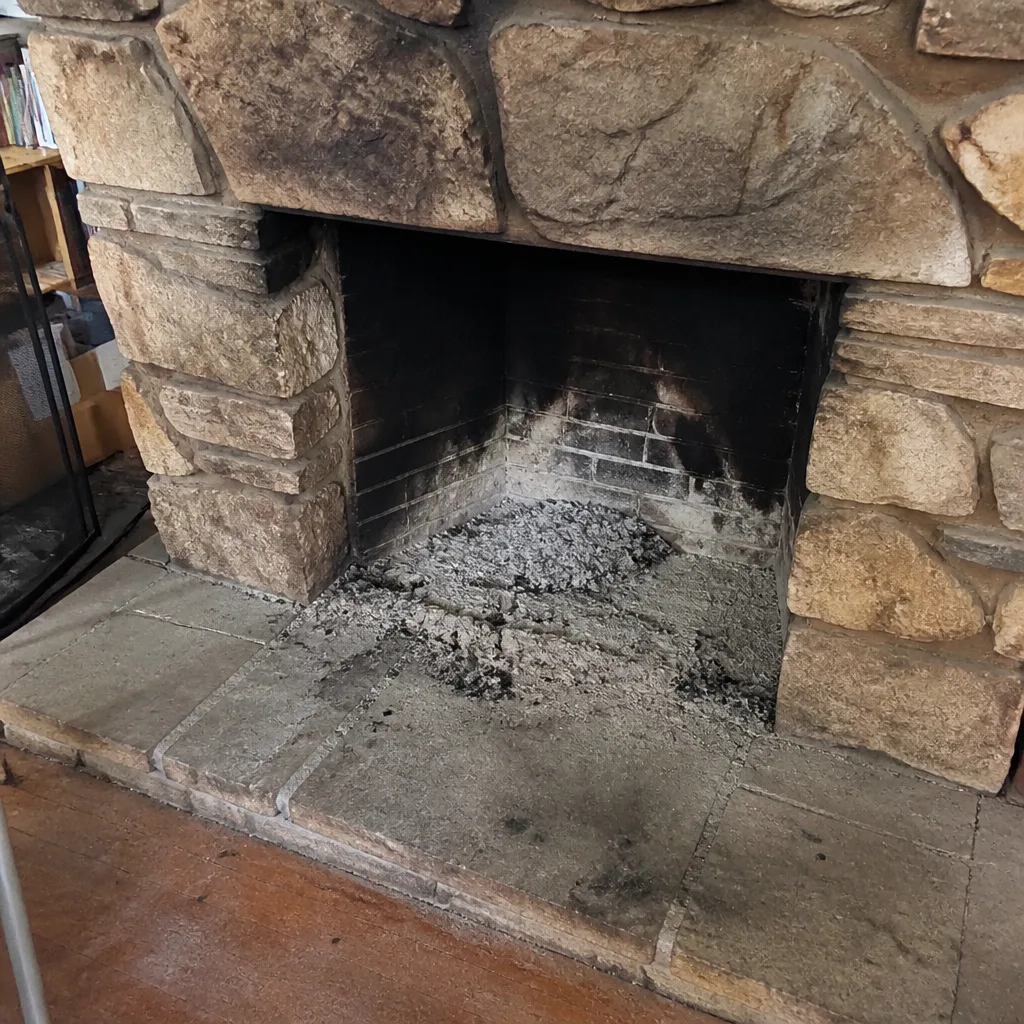 Before
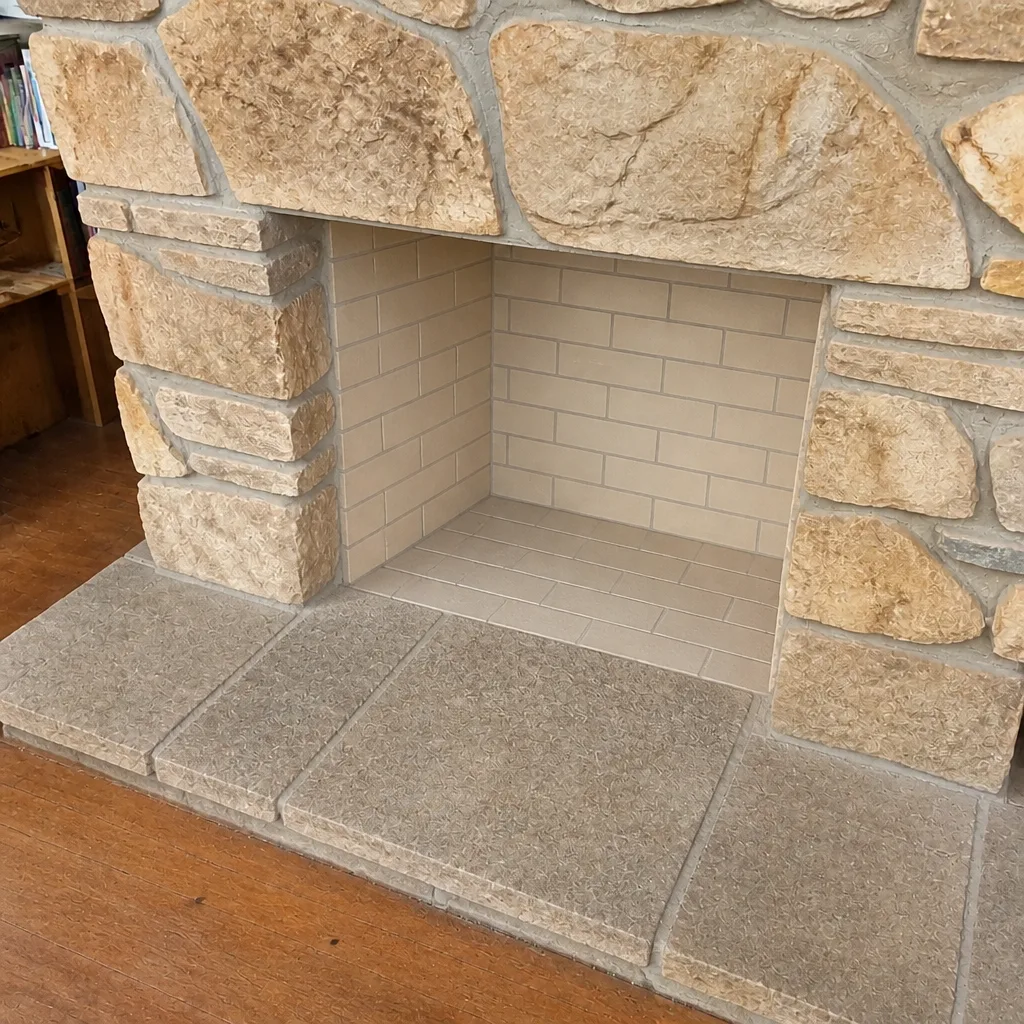 After
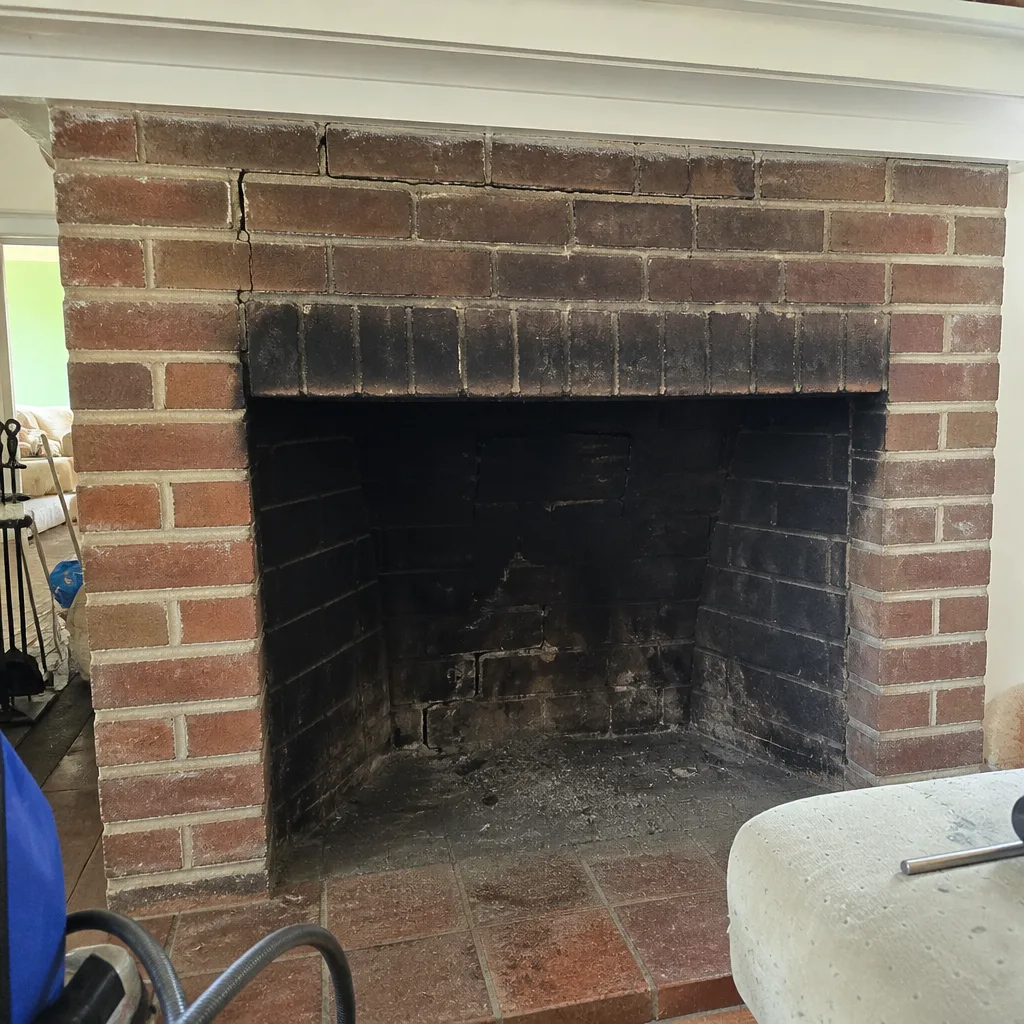 Before
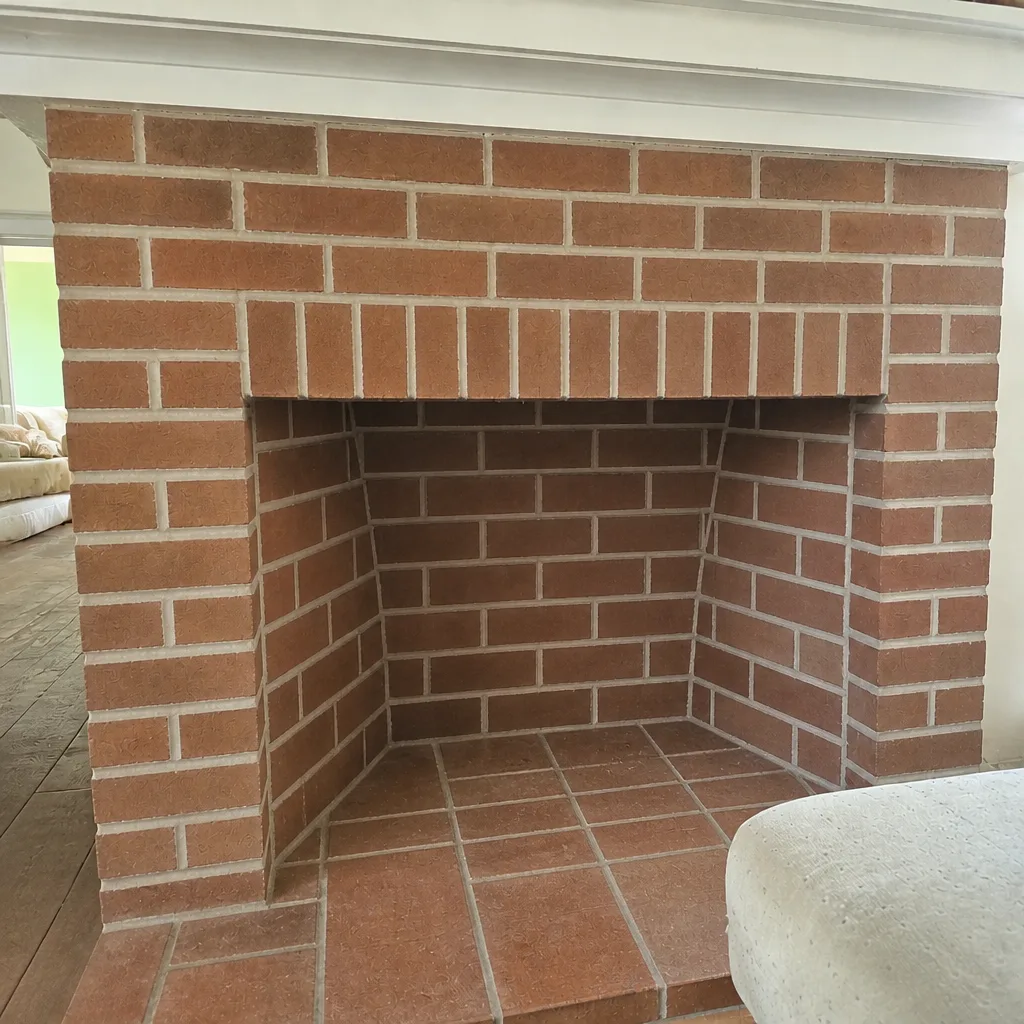 After
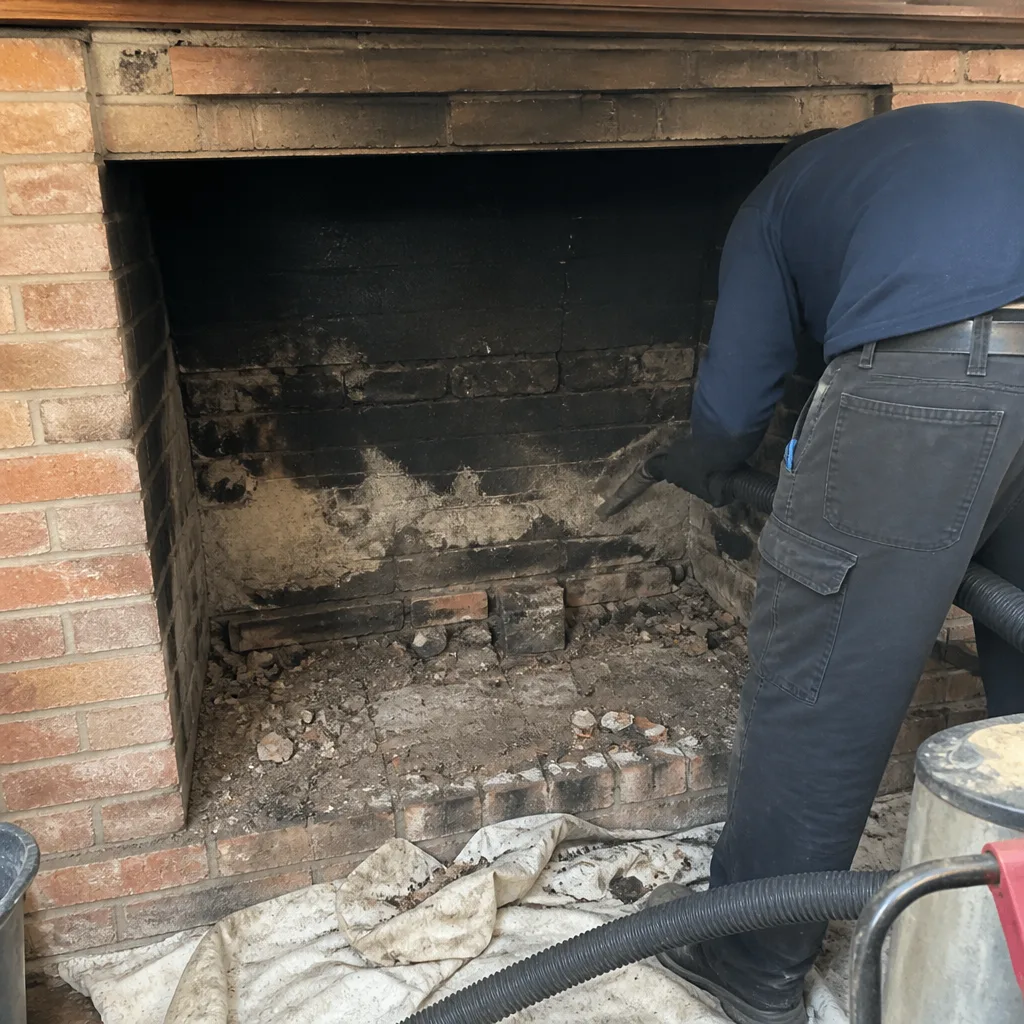 Before
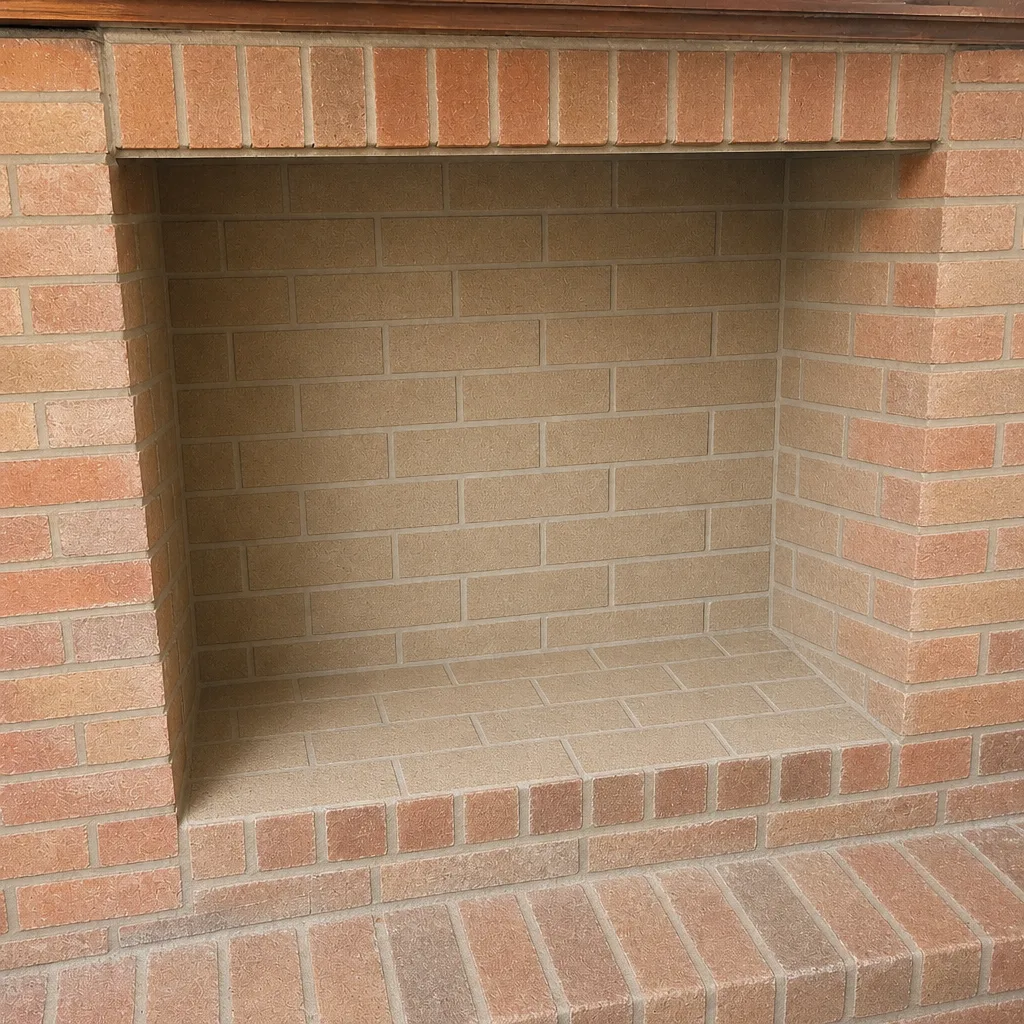 After
When to Call a Professional
Bring in a professional when the work crosses from cleaning into anything structural, when you’re buying or selling a home in Tujunga with a fireplace, when you’ve changed appliances, or when you can’t verify the last inspection date. Also call if you’re seeing symptoms: a strong creosote smell on warm days, smoke backing into the room, staining on the exterior brick, or a damper that won’t seal. Any of those means the flue needs a camera, not a guess.
Chimney Sweep Tujunga offers free estimates in Tujunga. Call (844) 968-2733. We answer 24/7. Fast dispatch from 7am to 7pm, Sunday through Friday. The inspection and any repair are handled by the same team, so findings get acted on instead of handed off to a second contractor who was never on site. Our technicians have up to 9 years of experience, and the local pro is licensed and insured as the state requires.
If the assessment turns up damage to the firebox or damper assembly rather than the flue, that work lives under fireplace repair and gets scoped the same way.
Frequently Asked Questions
No. Routine chimney cleaning in Tujunga does not require a permit, because sweeping is maintenance and doesn’t alter the flue. You need a permit when the work changes the system: liner replacement, firebox reconstruction, appliance installation or conversion, and exterior chimney rebuilds. Call (844) 968-2733 for an exact quote on inspection or repair, and estimates are free.
Yes. Relining a chimney is permitted work in Los Angeles County because it changes the flue itself, which is a structural alteration to a combustion system. The work should be inspected against California Building Code Chapter 10 standards for the system type. Call (844) 968-2733 and we’ll walk you through what your specific job requires.
Rule 445 restricts wood burning on designated no-burn days and limits installation of non-EPA-certified wood-burning devices in the South Coast Air Quality Management District, which includes Tujunga. It affects when you can burn and what you can install. Call (844) 968-2733 if you’re considering an appliance change that might fall under it.
Once a year is the standard, and a Level 2 inspection with a camera is the right level for any home with a pre-certification fireplace or a flue of unknown condition. Annual inspection catches liner cracks, cap failures and crown damage before they become repairs. Call (844) 968-2733 to book an inspection.
Request the permit history from Los Angeles County Public Works, specifically the chimney, flue and fireplace permits, and ask for the inspection cards. A permit that was pulled but never inspected shows up differently than one with a final sign-off. Call (844) 968-2733 if the record raises questions we can help resolve on site.
A liner only needs replacing when camera evidence shows it’s failed: cracked tiles, displaced joints, gaps at the top, or a liner not listed for the appliance. We show you the photos before recommending anything, and we tell you plainly when a repair can safely wait. Call (844) 968-2733 for an honest assessment.
An unpermitted reline is a documented defect that can delay closing, trigger renegotiation, or stall the sale until it’s brought into compliance. Finding out before you list lets you fix it or price it in on your timeline. Call (844) 968-2733 for a pre-listing inspection with photos you can use.
The Bottom Line
Cleaning your chimney in Tujunga needs no permit. Relining it, rebuilding the firebox, changing the appliance or rebuilding the exterior stack all do, and each of those falls under California Building Code Chapter 10 review through Los Angeles County. AQMD Rule 445 sits on top of that, controlling when you can burn and what you can install in the San Fernando Valley air basin. The record of past work is available from LA County Public Works, and the current condition is only knowable with a camera. Get both. Line up the permit history and a Level 2 inspection with photos, keep the documentation, and the chimney stops being a liability you can’t verify. Visit our main page for Chimney Sweep Tujunga to see the full scope of what we handle, or call (844) 968-2733. We answer 24/7. Fast dispatch from 7am to 7pm, Sunday through Friday.
Written by the team at Chimney Sweep Tujunga.