
Last updated November 20, 2026
 Sweep & inspection
 Caps & crowns
 Flue relining
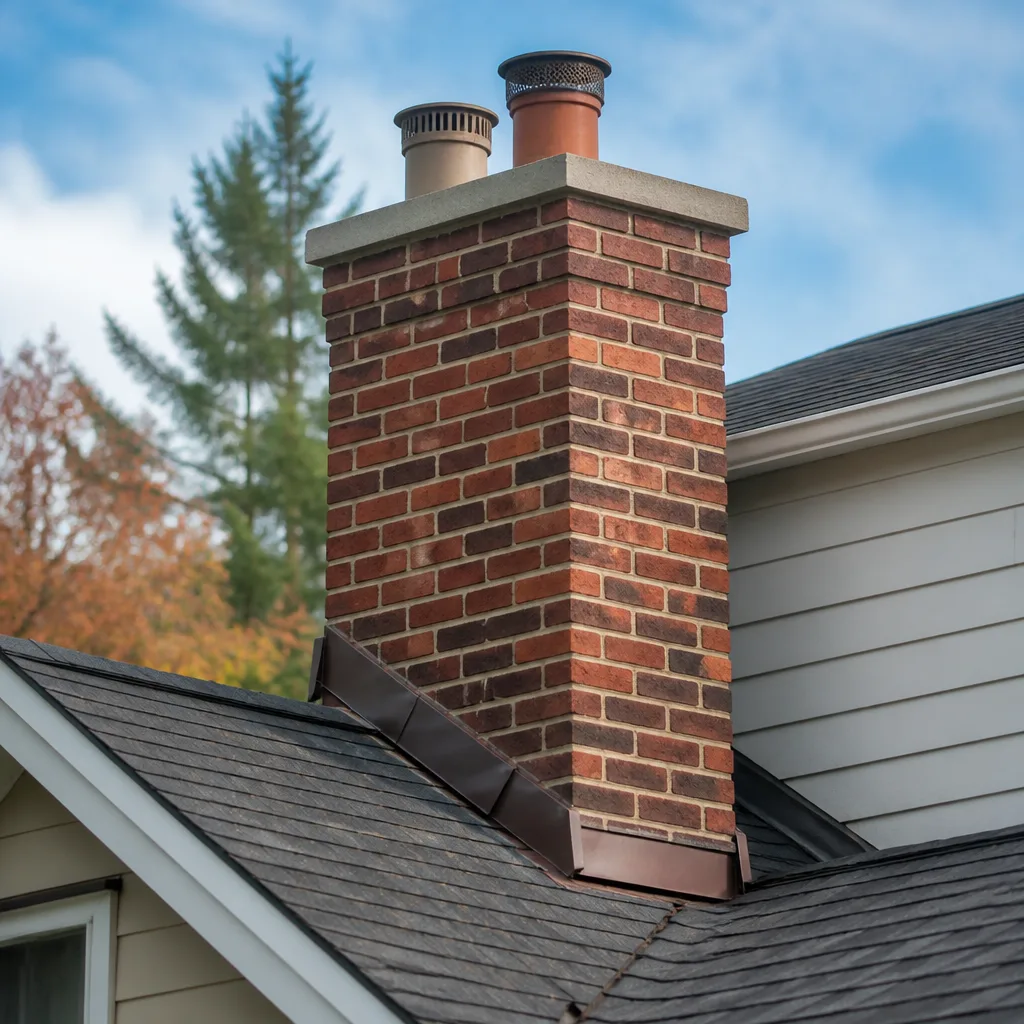 Masonry repair
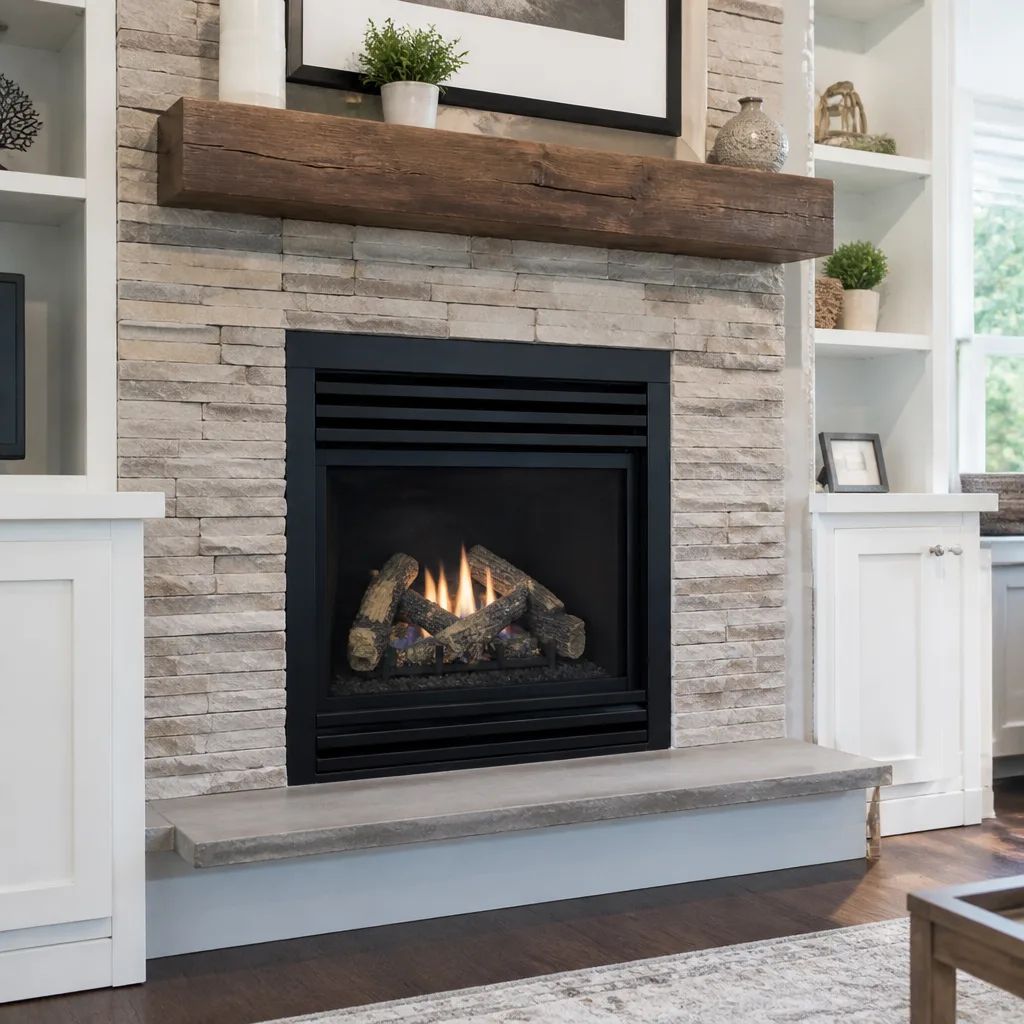 Gas fireplace service
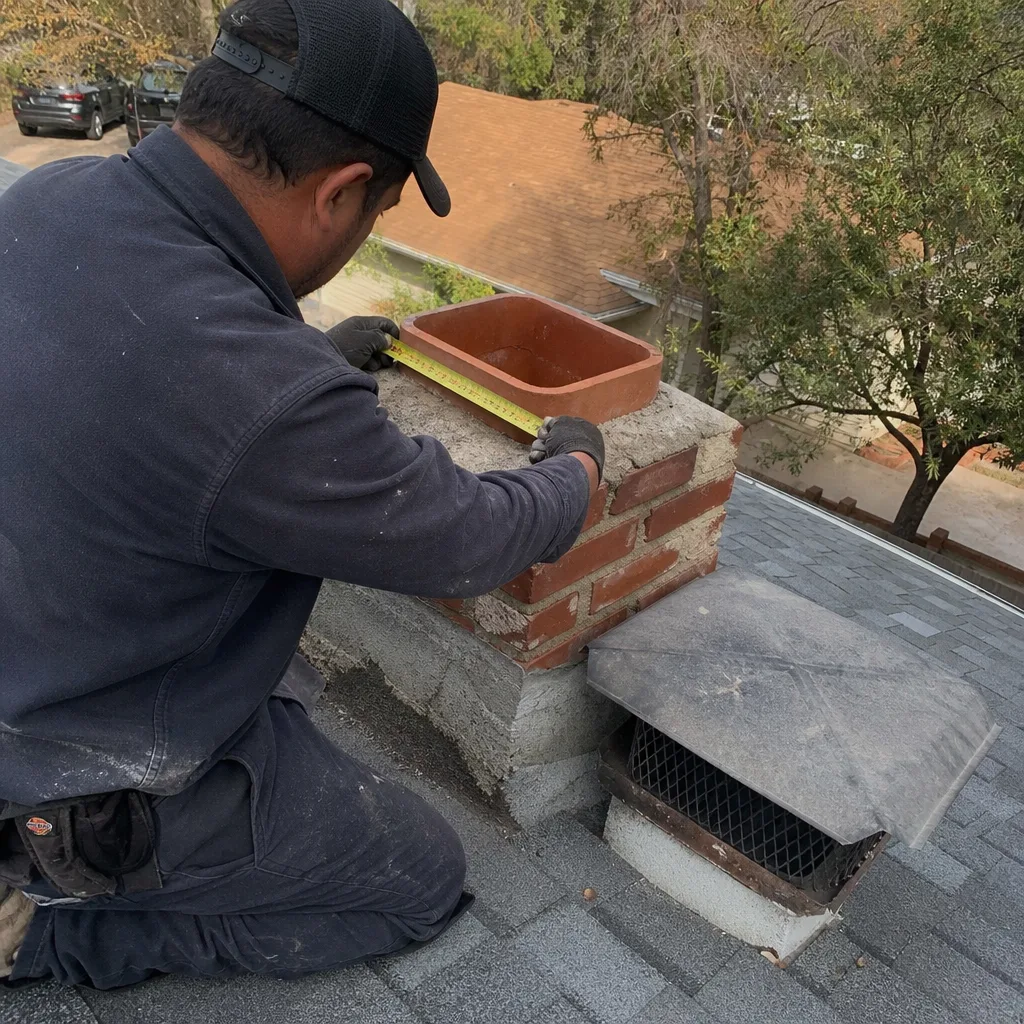
Level 1 sweep and inspection to the NFPA 211 annual standard - flue, crown, cap, and flashing checked and photographed
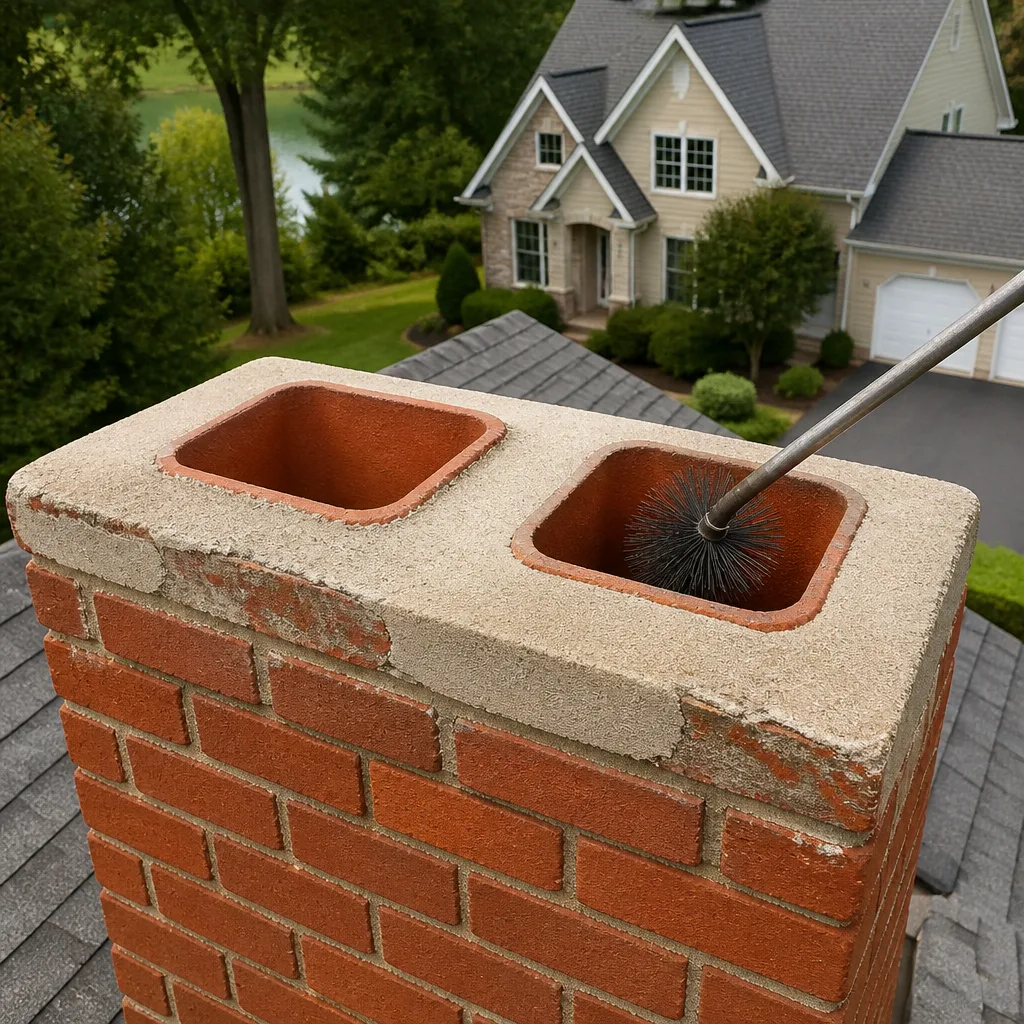
Chimney sweep logs do not sweep chimneys. They loosen some creosote - which then falls where a brush and vacuum still have to collect it.
How to Hire a Chimney Cleaning Contractor in Tujunga: A Step-by-Step Guide
Most Tujunga homeowners hire a chimney sweep the same way they hire a carpet cleaner: they find a price, they book it, and they hope. That approach works fine for a rug. It falls apart in a chimney, because the person sweeping your flue is also the first person who sees what’s actually wrong inside it. If that person can only sweep and refer, you end up piecing the job out to a second and third contractor, and nobody owns the final result. This guide shows you exactly how to vet a chimney contractor in Tujunga, what questions separate a full-system company from a sweep-only crew, and how to read a quote so you know what you’re paying for.
Quick Answer
To hire a chimney cleaning contractor in Tujunga, look for a company that inspects, sweeps, and repairs in-house rather than referring problems out, ask for proof of CSIA certification and a C-61 license, and require a written inspection report with photos or camera evidence before you approve any repair. The right hire is the one who can still be your contact when the sweep finds a cracked flue liner or a failing crown.
Styles & brands we work with
- Sweep & inspection
- Caps & crowns
- Flue relining
- Masonry repair
- Gas fireplace service
Table of Contents
- Why “Sweep, Then Refer” Costs You More
- The Questions to Ask Before You Book
- What Credentials Actually Signal Competence
- How to Read a Chimney Quote Line by Line
- Red Flags in Low-Cost Sweep Operations
- Matching the Contractor to Tujunga’s Housing Stock
- What a Real Inspection Report Looks Like
- Common Mistakes to Avoid
Why “Sweep, Then Refer” Costs You More
A sweep-only operation is not a scam. It’s a perfectly legitimate business model, and plenty of honest people work that way. But it has a structural cost that gets charged to you.
Here’s how it plays out. A crew comes out to clean the flue, and while they’re working they notice a hairline crack in a masonry liner or a cap that’s lost its mortar. They can’t fix it. So they hand you a business card, you call a mason, the mason gives you a verbal range, and then you’re back at square one trying to figure out whether that range is fair because the mason didn’t open the chimney and the sweep didn’t quote the repair.
Every hand-off adds a new visit, a new opinion, and a new gap where information gets lost between contractors. It also means the person deciding what work you need isn’t the person who bears the responsibility for the repair.
What “Full-System” Really Means
A full-system chimney company handles every layer of the chimney’s structure under one contact point:
- Diagnostics: a proper chimney sweep paired with an internal examination of the flue.
- The flue itself: relining where the existing liner has failed, including resurfacing with HeatShield where masonry can be saved rather than replaced.
- The cap and crown: the top-of-chimney components that keep out water, birds, and debris.
- The firebox and damper: the interior parts that regulate draft and contain the fire.
When those four things live with one company, an inspection finding turns into a repair scope the same visit or a clearly written follow-up plan. Our technicians have up to 9 years of experience, and we’ve built our service around that idea: we find it, we fix it.
The Questions to Ask Before You Book a Tujunga Chimney Contractor
These are the questions that separate a company that can complete the job from one that can only start it. Ask them on the phone, before you book, and listen for whether the answer is specific or deflected.
- “Do you do structural and liner repairs in-house?” The answer you want is yes, with detail about what kind of liners and resurfacing materials they install. If they say “we refer that out,” you’ve learned something useful.
- “Are you CSIA certified, and do you hold a C-61 contractor license?” These are two different things and you want both. CSIA is the trade certification; C-61 is California’s contractor classification covering chimney and fireplace work.
- “What does your inspection report include, and will I get written documentation?” A verbal “looks fine to me” is not a report. Ask whether they photograph the flue and whether you’ll receive the findings in writing.
- “Will you use a camera in my chimney?” On an older masonry chimney, camera inspection is how you find liner cracks, gaps at offsets, and offset damage that a flashlight misses.
- “Which brands do you install?” A company that names its liner and cap materials is a company that has thought about durability. In our work we install DuraFlex liners, HeatShield resurfacing, and Olympia Chimney components, and we’re glad to tell you why.
- “Will you give me a written estimate before any repair?” You want a scope with line items, not a number delivered at the tailgate of a truck.
- “What happens if you find something during the sweep?” The strongest answer is that the finding gets documented, explained to you, and either addressed the same visit or scheduled as a clearly defined repair.
Write the answers down. Comparing two or three companies against the same seven questions tells you more than any review site will.
What Credentials Actually Signal Competence
Let’s get the easy part out of the way: licensed and insured is table stakes. It’s the floor, not a selling point. Any contractor working legally in California should be able to produce a license, and if they can’t, the conversation is over. It doesn’t tell you whether they know a masonry flue from a prefab.
What actually signals competence in chimney work is a set of credentials and skills that take real effort to earn:
CSIA Certification
The Chimney Safety Institute of America certifies sweeps and inspectors through an exam and continuing education. It’s the recognized trade credential in this line of work. Ask for it specifically; a company that holds it will say so without prodding.
C-61 Contractor License
California classifies chimney and fireplace work under the C-61 license. This matters because it separates a company legally set up to perform structural and component repair from one set up only to clean.
NFI Certification
The National Fireplace Institute certifies technicians on specific hearth appliance categories. If you have a wood insert or a gas appliance, an NFI-certified technician is the right person to evaluate how the appliance interfaces with the chimney.
Specialized Repair Capabilities
Beyond certifications, ask what the company can actually do. HeatShield application is a good example. It’s a resurfacing system for masonry flue liners, and applying it correctly requires training most single-service sweeps don’t have. A company that offers HeatShield can often save a masonry flue that a sweep-only crew would tell you must be relined or rebuilt.
None of these credentials makes a company “the best.” Together, they tell you whether the person on your roof has the training to evaluate what they’re looking at and the standing to fix it properly.
How to Read a Chimney Quote Line by Line
A chimney quote should read like a small construction scope, not a single lump sum. When you get a one-line number, you can’t compare it to anything, and you can’t tell what’s being left out.
Here’s the line-item structure a complete chimney repair quote should contain:
- Inspection findings: a short narrative of what was found, keyed to the photos or camera footage.
- Sweep scope: what gets cleaned, and whether the firebox, smoke chamber, and damper get touched.
- Repair scope: each repair called out separately. Liner resurfacing with HeatShield is one line; a full reline with DuraFlex is another; a new cap installed with Famco or Gelco hardware is another.
- Materials: the actual product or system being installed, named. If the quote says “liner” with no brand or type, ask which one.
- Labor and access: whether the job involves roof access, scaffolding, or interior protection.
- Disposal and cleanup: who hauls away old components and who cleans the work area.
- Final price and validity: the number is the number, and it’s held for a stated period.
What Missing Line Items Tell You
If the quote has no inspection findings section, the company is quoting a repair without documenting why. If materials aren’t named, you can’t tell a professional-grade liner from a hardware-store substitute. If disposal isn’t mentioned, expect it to appear later or not happen at all.
One more thing to watch: a quote that lists a repair you don’t understand, with no explanation. Any repair you’re being asked to approve should be shown to you on camera or in photos so you can see the problem for yourself.
Red Flags in Low-Cost Sweep Operations
The Los Angeles area has a lot of chimney crews competing on price, and some of them make their money on the upsell rather than the sweep. None of these red flags proves a company is dishonest on its own. Two or three together should make you look elsewhere.
- The price is quoted before anyone looks at the chimney. A real sweep can’t quote a repair without seeing the flue. A fixed low price offered over the phone is usually a door-opener, with the real number arriving after the sweep.
- Repairs appear only after the sweep, with pressure to approve on the spot. Findings should be documented and explained, and you should have the option to think about a non-urgent repair.
- The written report is vague or nonexistent. “Flue needs attention” is not a finding. You want to know what was found, where it was found, and what condition it’s in.
- No camera inspection on an older chimney. If your house was built in the mid-century era and nobody has put a camera down the flue, the inspection hasn’t covered the part that matters most.
- Every chimney gets the same recommendation. If a company’s answer is always “reline,” they aren’t diagnosing; they’re selling.
- No brand names for materials. A company that installs professionally manufactured liner, cap, and crown components should be comfortable telling you which ones.
There’s a related trap: a cheap sweep who clears soot and walks away, never checking the cap or the crown. Those are the two most common points of water intrusion into a chimney, and ignoring them is how a small mortar repair becomes a rebuild.
Matching the Contractor to Tujunga’s Housing Stock
Tujunga has a housing mix that puts specific demands on a chimney contractor. A large share of the homes here date to the mid-century era, and many were built with masonry fireplaces that have unlined or mortar-lined flues. That’s not the same animal as a newer home with a factory-built fireplace and a metal chimney system, and the two need different hands.
Older Masonry Flues
An unlined masonry flue requires camera inspection before anyone calls it safe. Mortar joints erode over decades, and the inside of the flue is where that shows up first. A contractor who inspects old masonry without a camera is guessing. HeatShield resurfacing exists specifically to address certain categories of this wear, and being able to offer it means the answer isn’t automatically “tear it out and reline.”
Prefab and Insert Installations
Newer construction and gas insert installations involve metal chimney components and appliance-specific venting. A wood insert installed into an older fireplace changes how the flue performs, and the sweep needs to understand the interface between the appliance and the chimney rather than just brushing the flue.
Dry, Warm Conditions and the Burning Season
Tujunga’s climate is warm and dry for most of the year, which means the chimney sits idle for long stretches and then gets worked hard in the cooler months. Creosote that builds up during heavy use doesn’t clear itself, and it doesn’t degrade while the chimney rests. This is why the run-up to burning season is the right time to book a sweep, and why post-storm checks on caps and crowns are worth doing: wind and debris do the most visible damage to the top of a chimney, and a cracked crown lets water into the structure below.
Ask a prospective contractor how they handle each of these home types. If the answer is the same for all three, they aren’t looking closely enough.
What a Real Chimney Inspection Report Looks Like
The Chimney Sweep Tujunga page covers the service basics, but the report is the part of an inspection you should weigh most heavily when choosing a contractor. It’s also the most common gap in the market, because a written report takes time that a high-volume, low-cost crew doesn’t want to spend.
A proper report should contain:
- Access and condition notes covering the firebox, damper, smoke chamber, flue, and the exterior components at the top of the chimney.
- Photographic evidence of any defect, ideally with camera footage from inside the flue on an older system.
- Condition ratings for each component, so you have a baseline to compare against future inspections.
- A clear repair recommendation for anything that isn’t safe or isn’t performing, with the reasoning stated in plain terms.
- An explicit “monitor” note on items that are wearing but don’t need work yet. This matters. A report that recommends nothing is useful, and a report that tells you which parts to keep an eye on is more useful still.
The report is also your defense against unnecessary work. If somebody tells you the flue needs relining, you should be able to look at the photographic evidence and see the problem. If you can’t, ask them to show you.
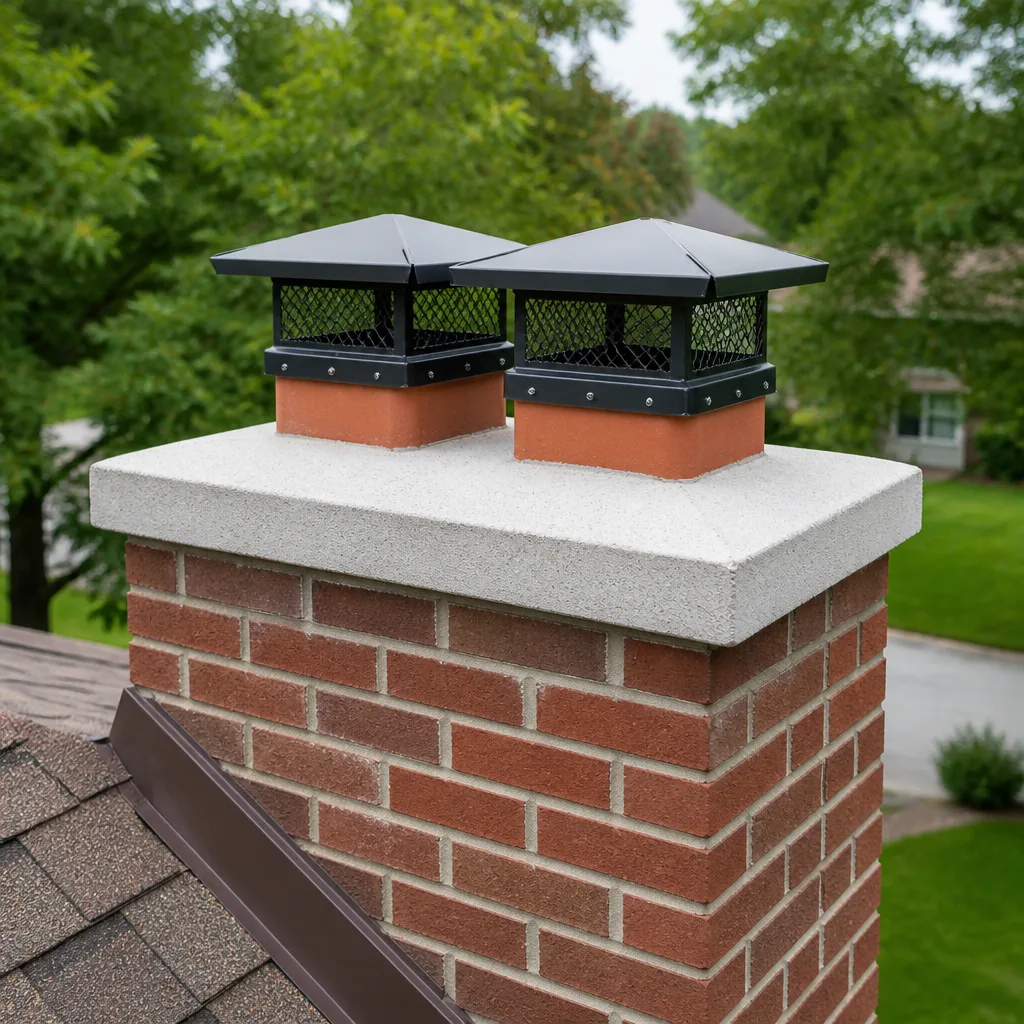
Where the inspection turns up a problem at the top of the chimney, that’s typically the chimney cap & crown scope. Our inspection and repair work are offered together precisely so that a finding doesn’t become a referral.
Common Mistakes to Avoid
- Booking on price alone. The cheapest annual sweep in the LA area often turns into the most expensive overall, because it skips the inspection that would have caught a liner problem early. Ask what the price includes, not just what it is.
- Not asking whether they repair. A sweep-only crew is fine for a clean-only job, but confirm that before you book. Otherwise you’ll be the one managing the hand-off.
- Accepting a verbal report. Get the findings in writing with photos. In Tujunga’s older homes, that document becomes the baseline for every future inspection.
- Skipping camera inspection on a mid-century flue. If the house predates modern liner standards, the inside of the flue is the part that most needs looking at, and a flashlight doesn’t reach it.
- Approving a big repair on the spot. You’re allowed to take the written scope and sleep on it. A company confident in its diagnosis won’t mind the pause.
- Ignoring the cap and crown until water appears. Those two components take the brunt of rain and wind. Checking them during a sweep costs far less than repairing the water damage they let in.
- Assuming a licensed contractor is automatically a chimney specialist. Licensing is required; specific chimney credentials and repair capability are what you’re actually choosing between.
See the difference
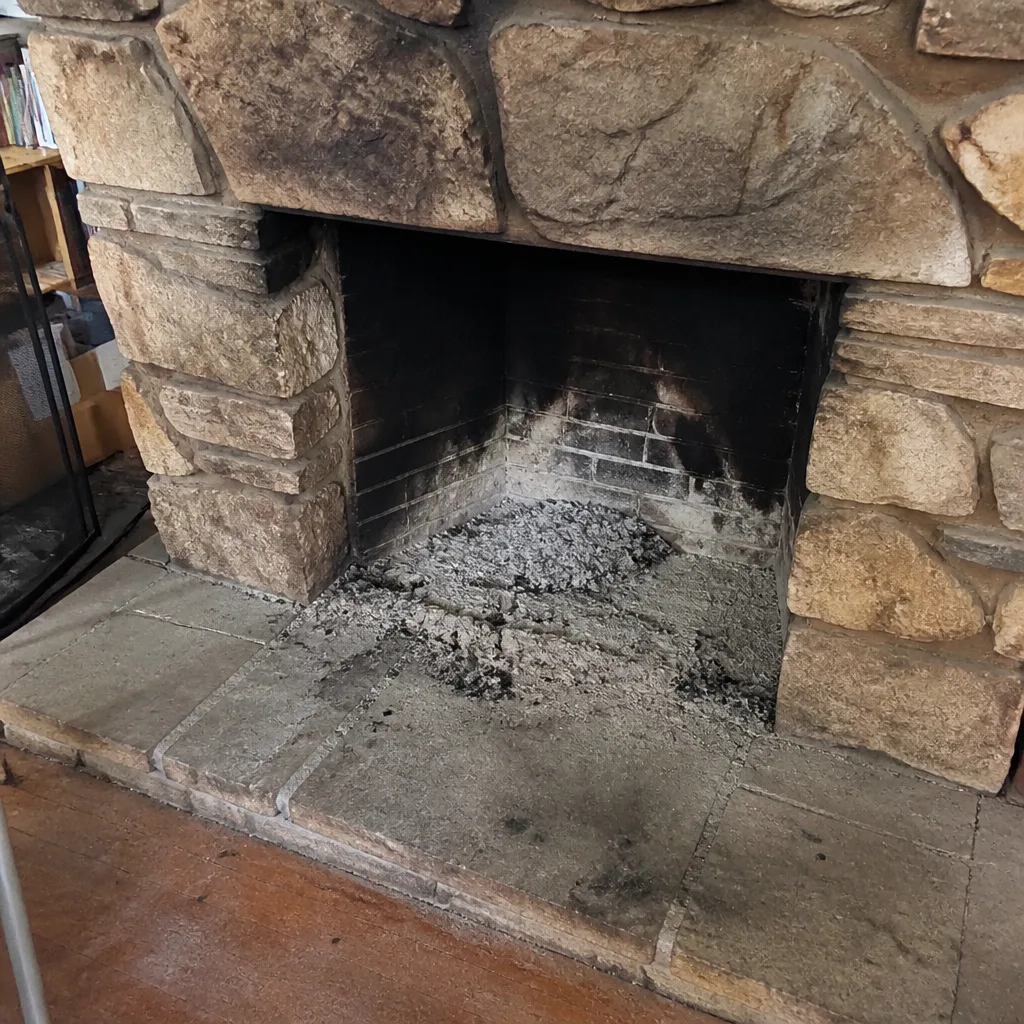 Before
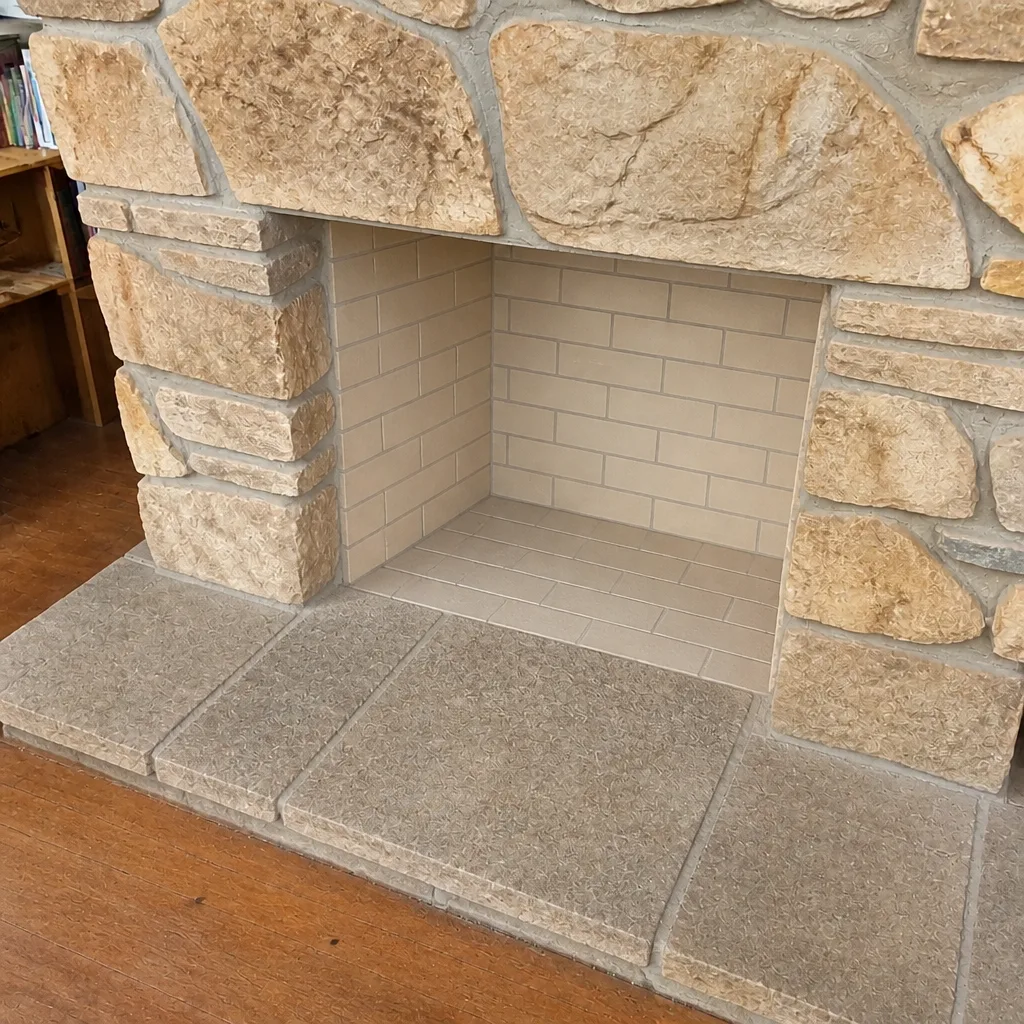 After
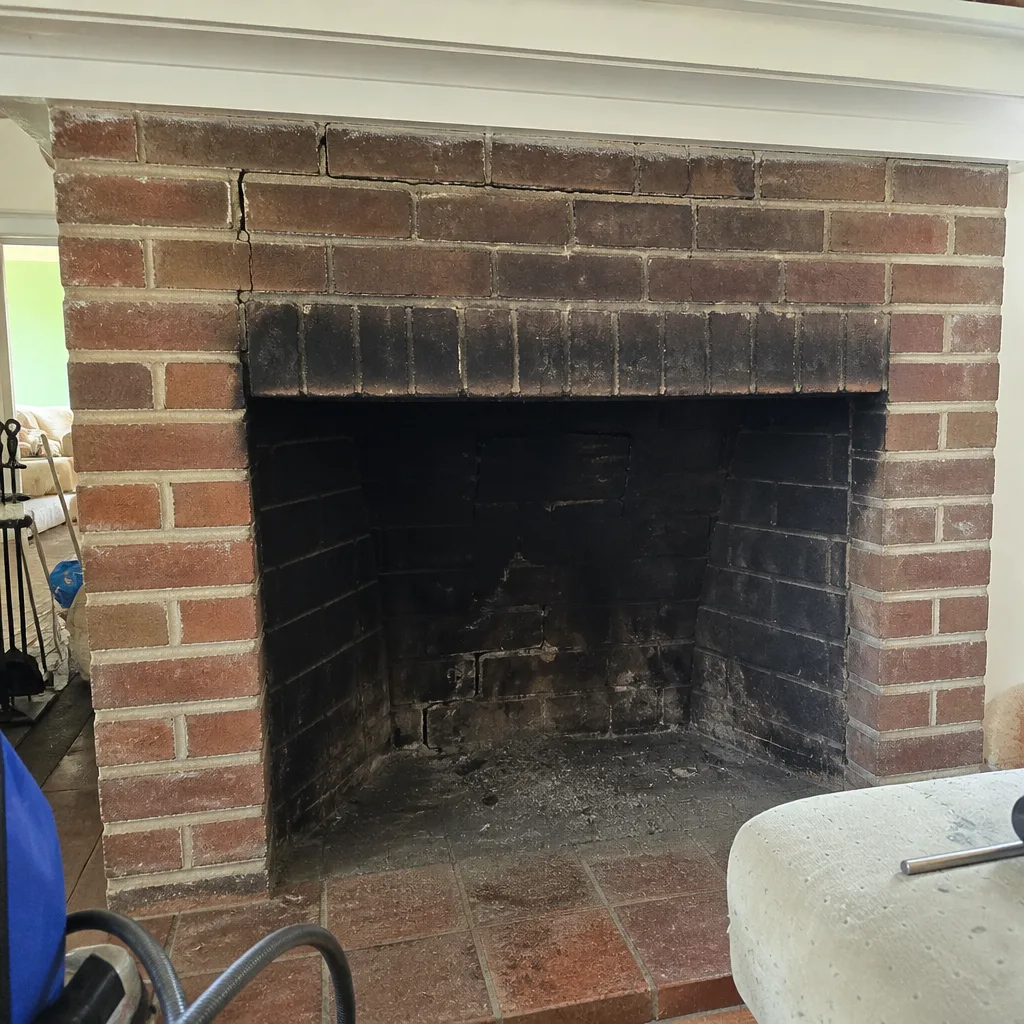 Before
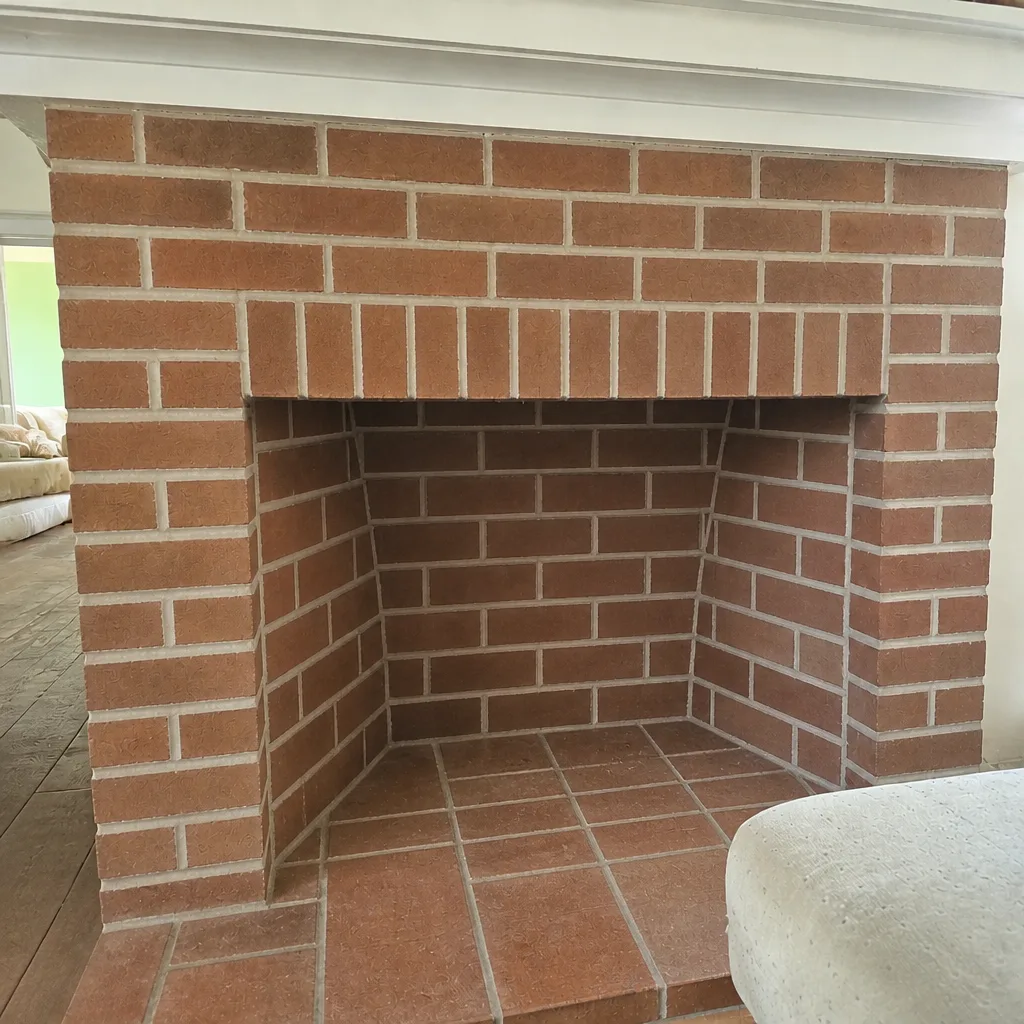 After
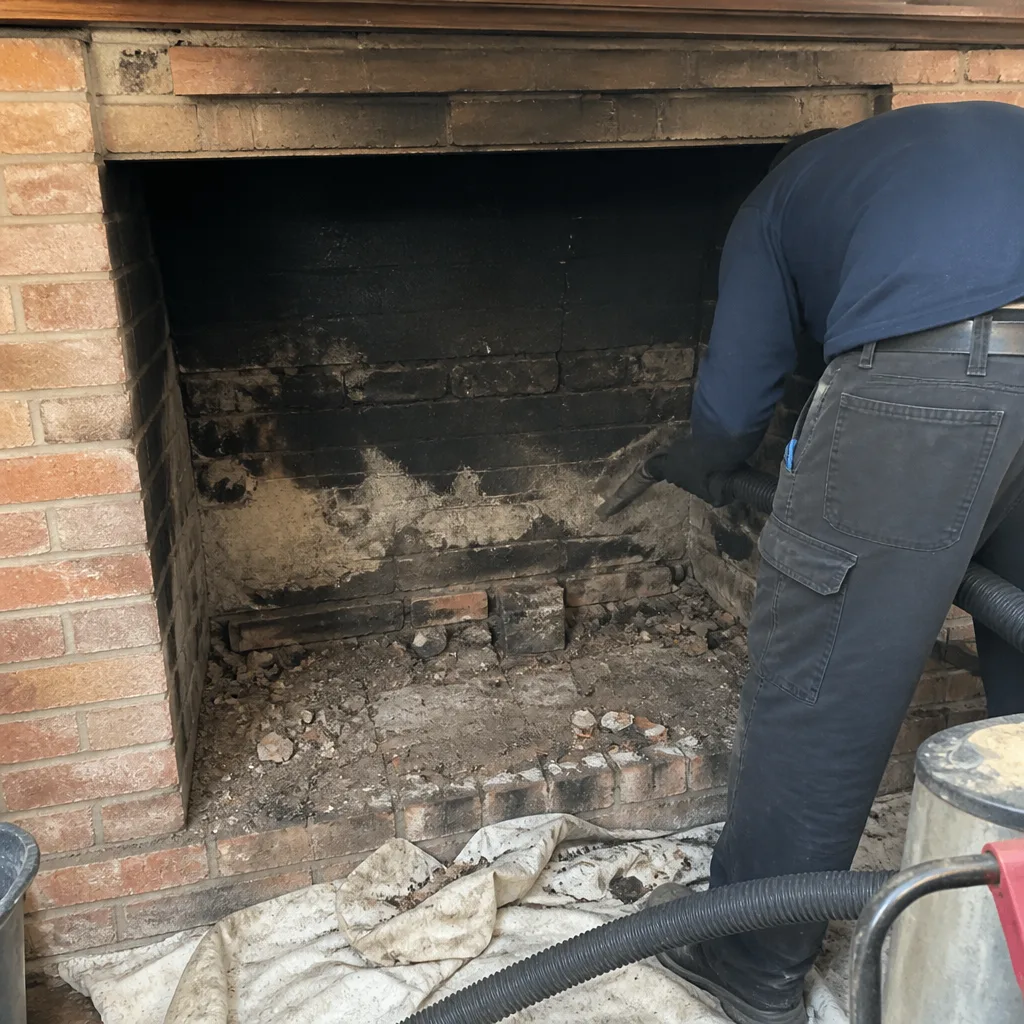 Before
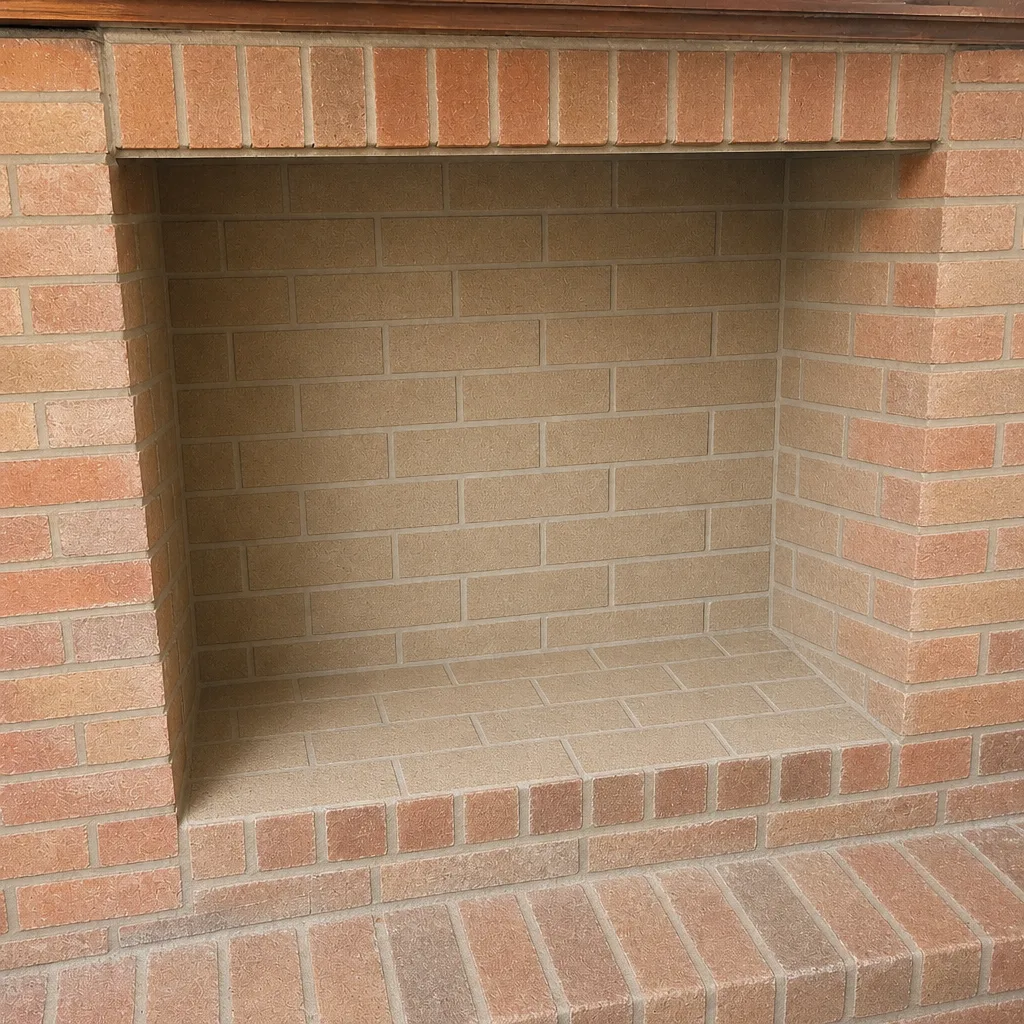 After
When to Call a Professional
Some chimney work is definitely not a homeowner project. Anything involving the flue interior, liner repair, or the top of a chimney on a roof needs a trained technician, and high-roof access carries real fall risk. Call a professional if you see staining or crumbling on the chimney exterior, if smoke backs into the room when you light a fire, if you smell creosote or a strong smoky odor between fires, if a storm has dropped debris onto or into the chimney, if you notice animals or birds around the flue, or if you can’t remember the last sweep. Book a professional chimney sweep before burning season rather than during it. Chimney Sweep Tujunga offers free estimates in Tujunga – call (844) 968-2733. We answer 24/7. Fast dispatch from 7am to 7pm, Sunday through Friday (closed Saturday).
Frequently Asked Questions
Check three things: the CSIA certification, the C-61 contractor license, and whether the company can perform structural and liner repairs itself. Call the company directly and ask those three questions before booking; the way they answer tells you whether they’re a full-system operation or a referral chain.
We do both. Our services cover chimney sweep, chimney cap & crown, repair, and fireplace repair, so an inspection finding can turn into a repair scope without you hiring a second contractor. We’re authorized to source and install components from named trade brands like DuraFlex, HeatShield, Gelco, Olympia Chimney, Famco, and Copperfield.
What matters is whether the company can inspect and repair, not where its main office is. A local Tujunga contractor is easier to reach for follow-up work, but the deciding factors are credentials, camera inspection, and repair capability. Ask those regardless of whether the name on the truck is local or national.
A sweep and inspection on a standard home typically runs a couple of hours, though the exact time depends on the chimney’s condition and the number of flues on the roof. Book a free estimate and we’ll give you a realistic window based on what you describe.
Yes, plan to be there. The sweep needs access to the firebox and the chimney on the roof, and you’ll want to see the inspection findings and the written report before the crew leaves. It’s also the best moment to ask questions about anything they’ve flagged.
Then the report will say so, and that’s a good outcome. A thorough inspection that recommends no work is doing its job, and you’ll have a baseline to compare every future visit against. If a company can’t produce a clean report on a healthy chimney, that’s a signal about how they sell repairs.
The Bottom Line
Hiring a chimney contractor in Tujunga comes down to whether the company can carry a job from inspection to repair. Licensed and insured gets a company to your door; CSIA certification, a C-61 license, camera inspection, named materials, and a written report are what tell you they know what they’re doing. Ask the seven questions, compare the quotes line by line, and walk away from pressure. The right company will show you the evidence, explain the repair, and still be your contact when the flue needs work. Call Chimney Sweep Tujunga at (844) 968-2733 for a free estimate. We answer 24/7. Fast dispatch from 7am to 7pm, Sunday through Friday (closed Saturday).
Written by the team at Chimney Sweep Tujunga.