
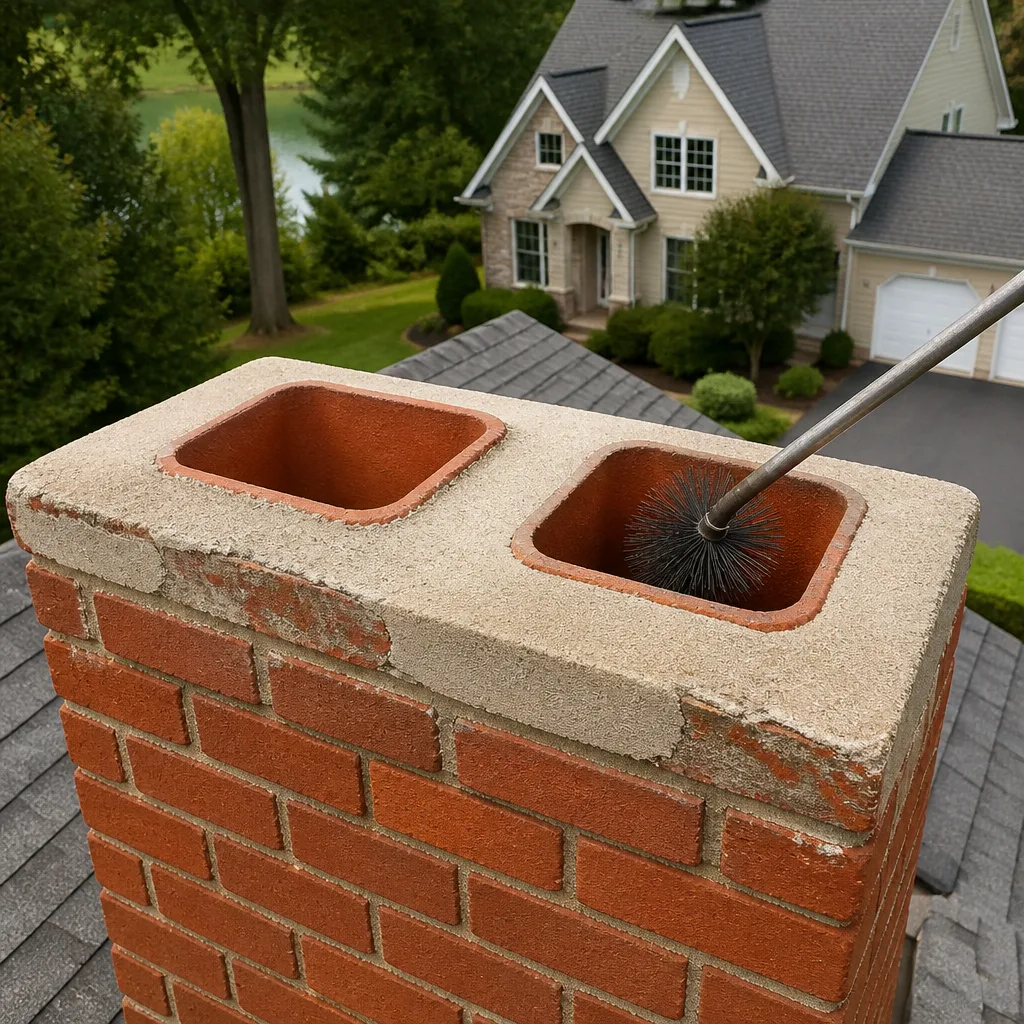
 Sweep & inspection
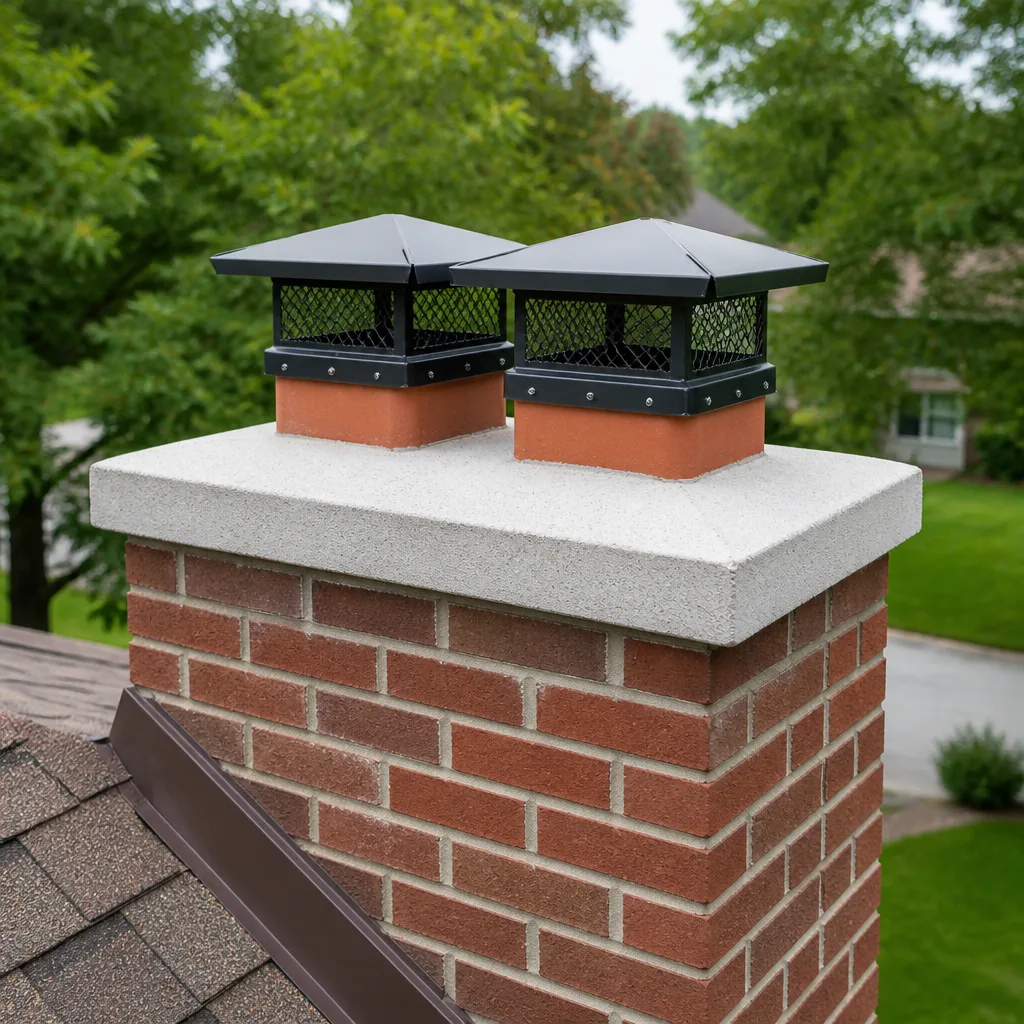 Caps & crowns
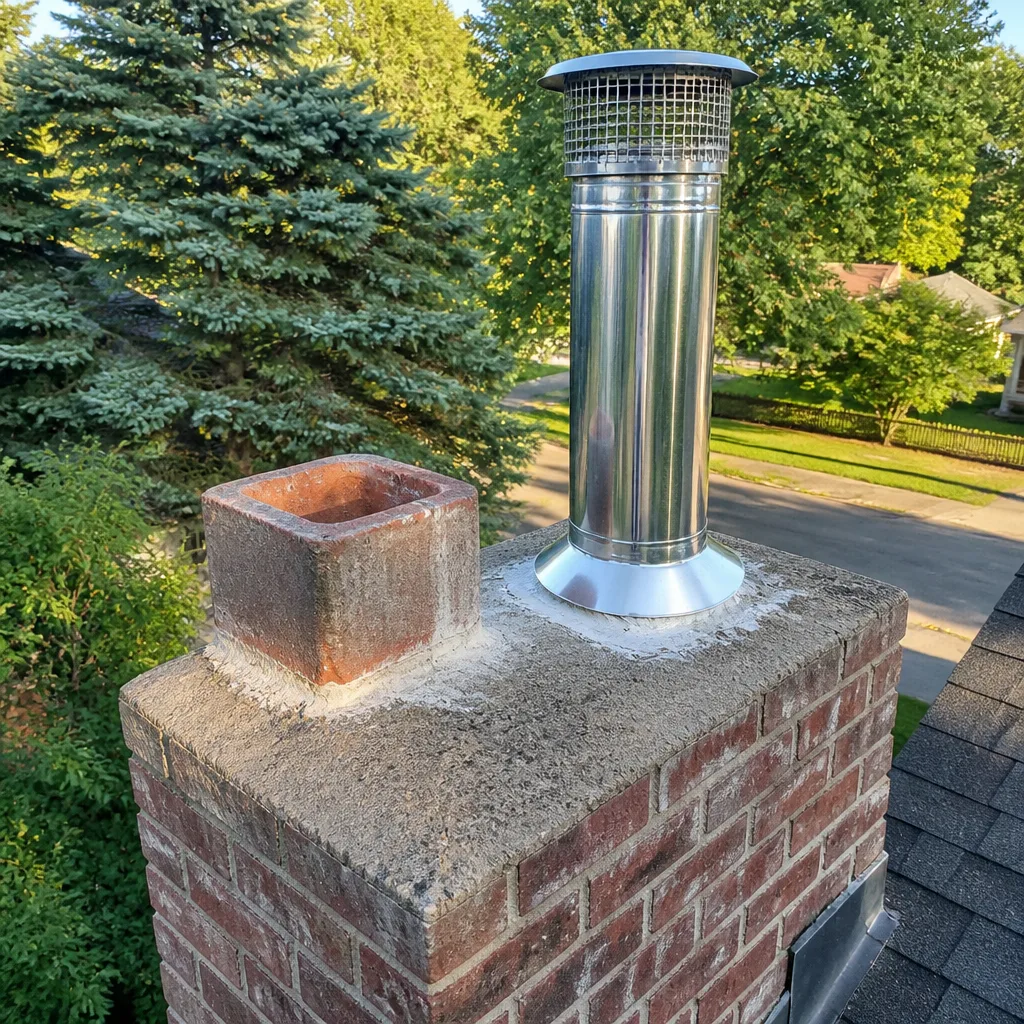 Flue relining
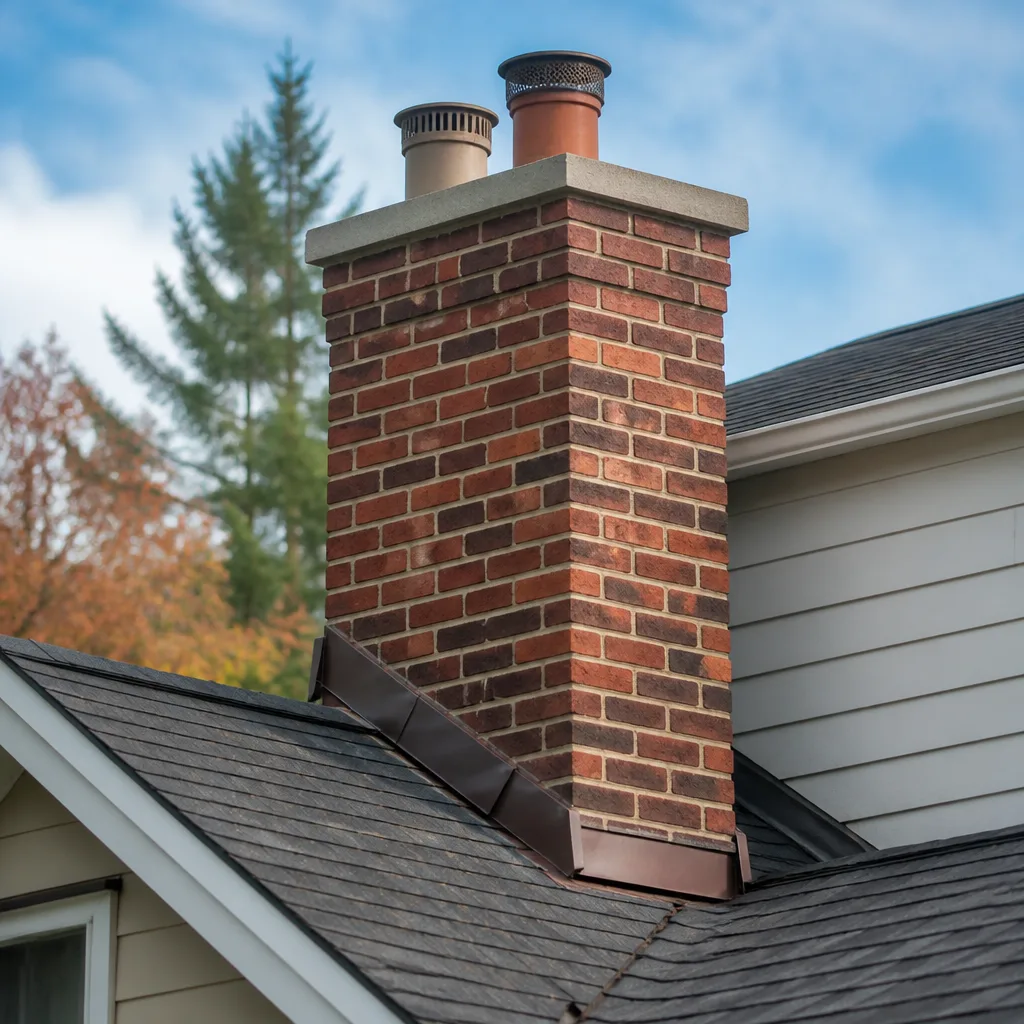 Masonry repair
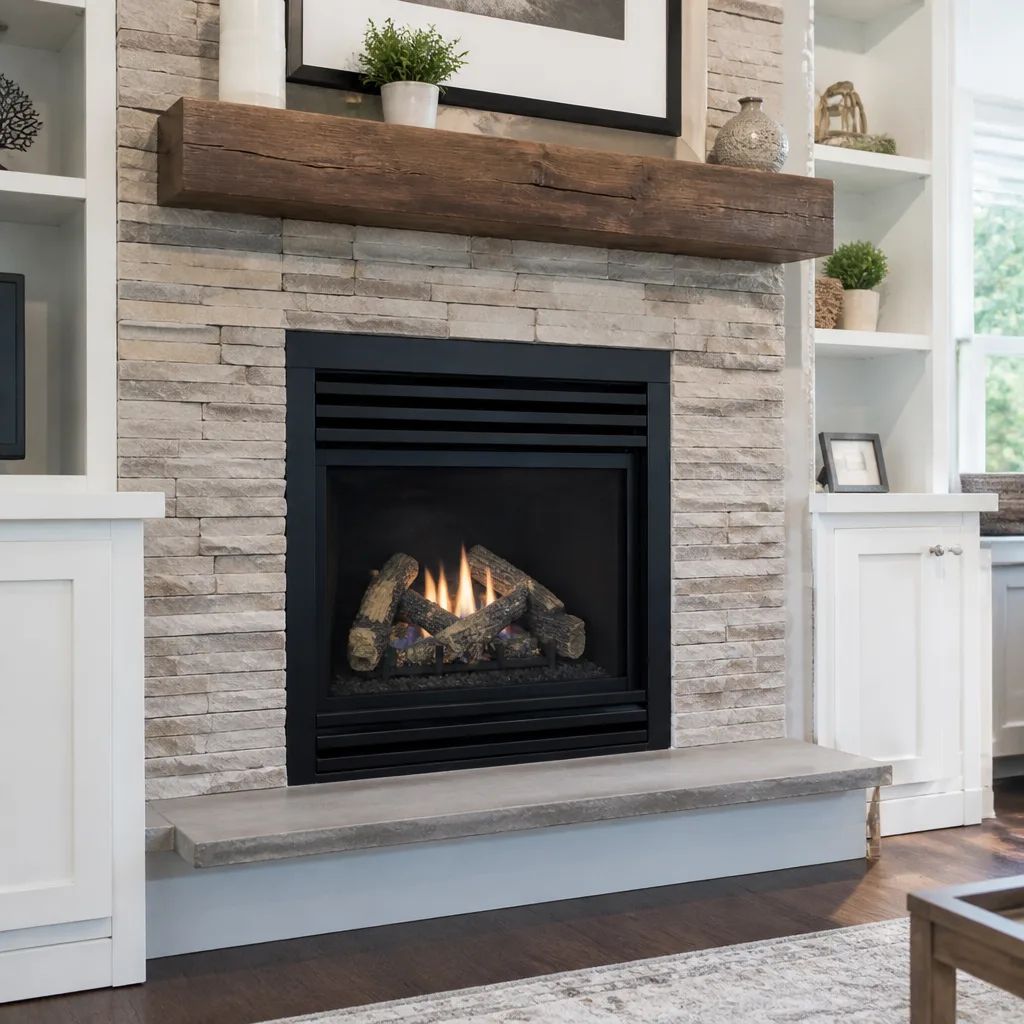 Gas fireplace service
Level 1 sweep and inspection to the NFPA 211 annual standard - flue, crown, cap, and flashing checked and photographed
Chimney sweep logs do not sweep chimneys. They loosen some creosote - which then falls where a brush and vacuum still have to collect it.
Styles & brands we work with
- Sweep & inspection
- Caps & crowns
- Flue relining
- Masonry repair
- Gas fireplace service
See the difference
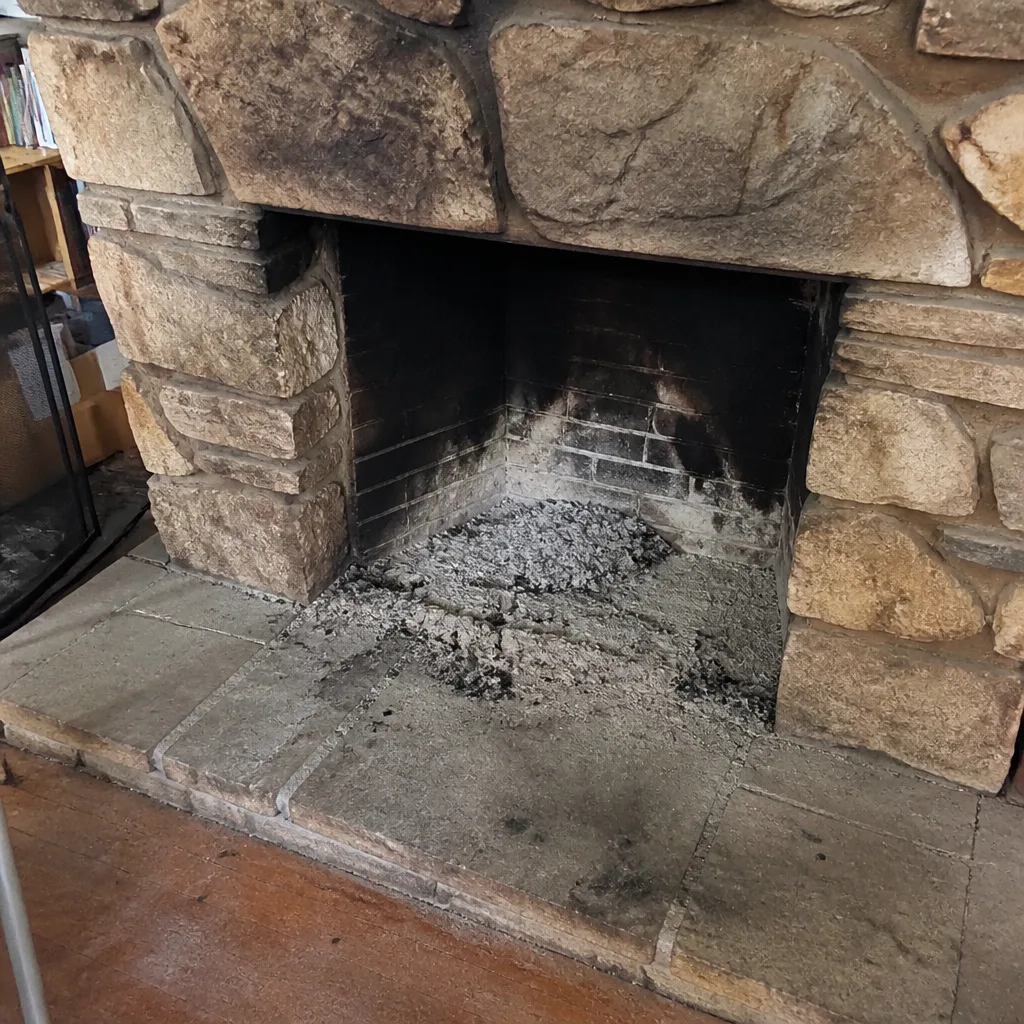 Before
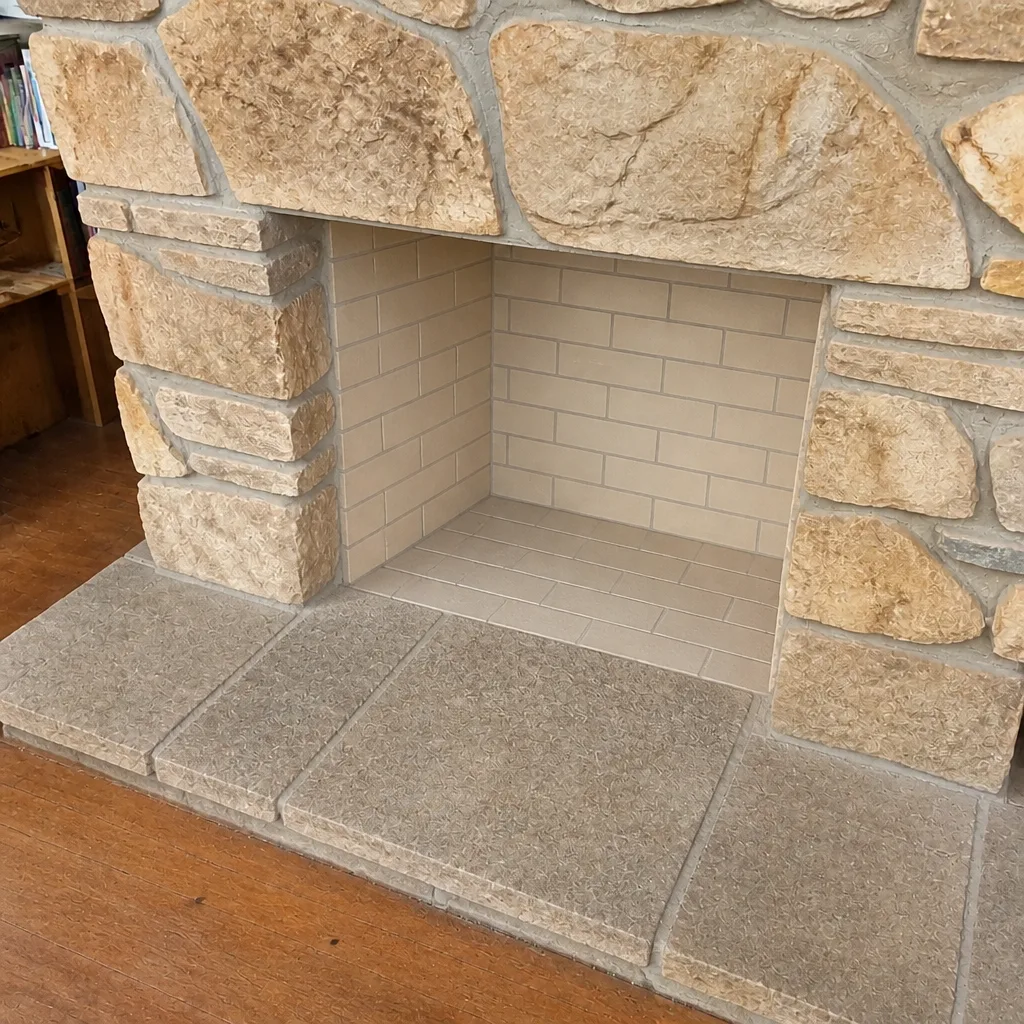 After
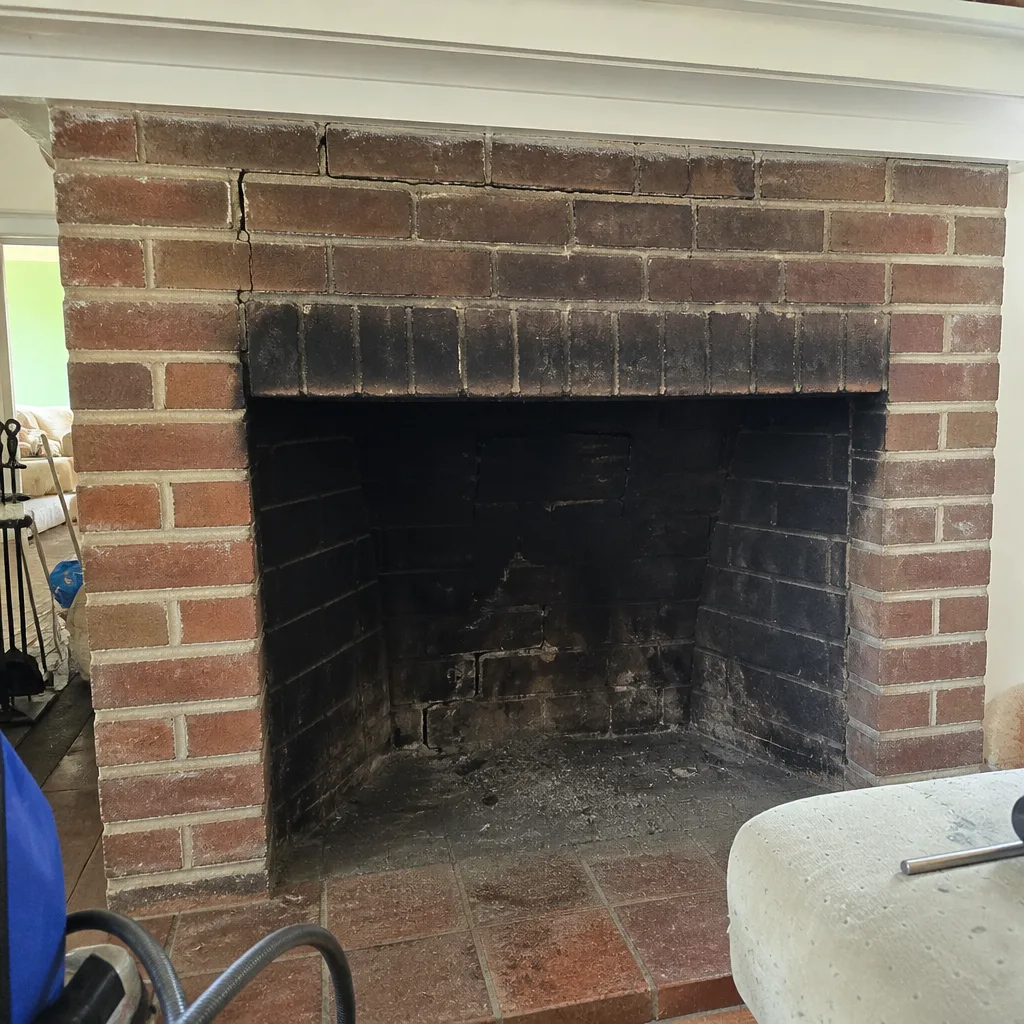 Before
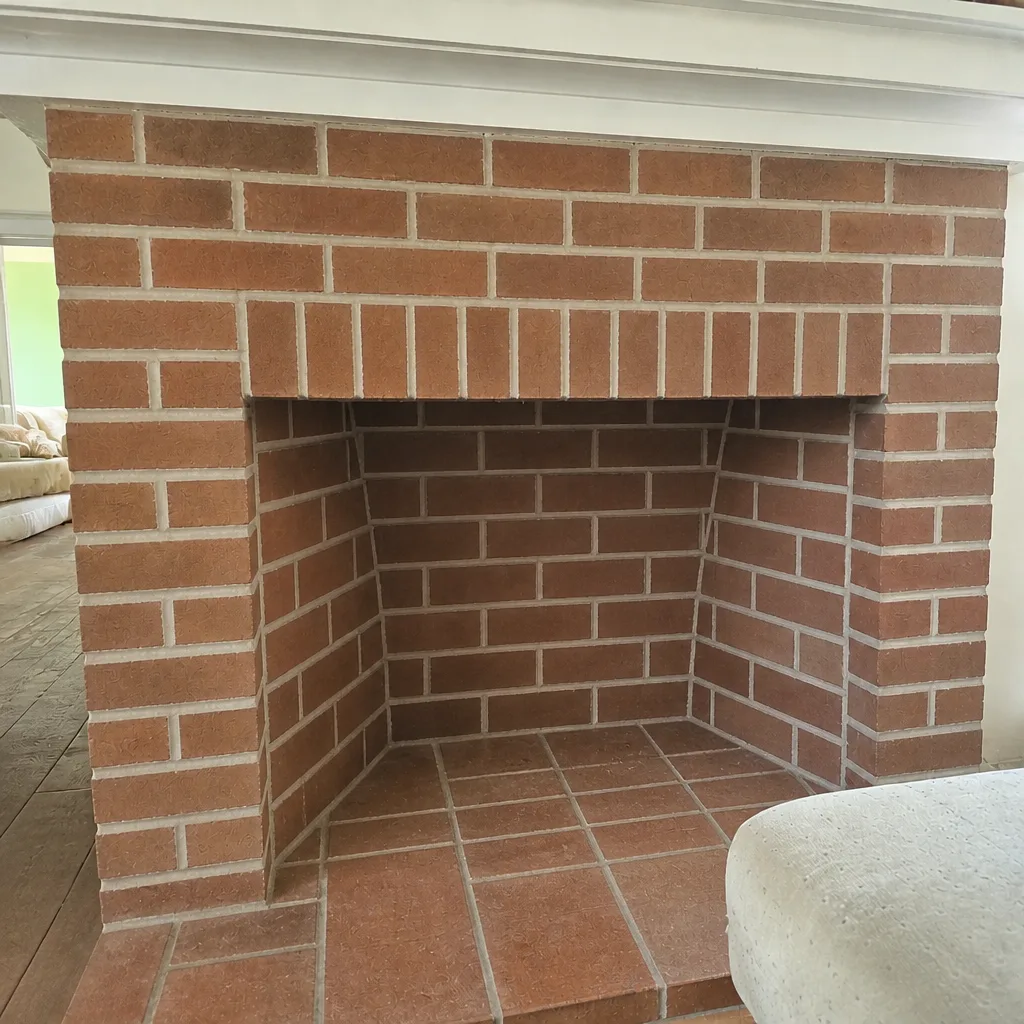 After
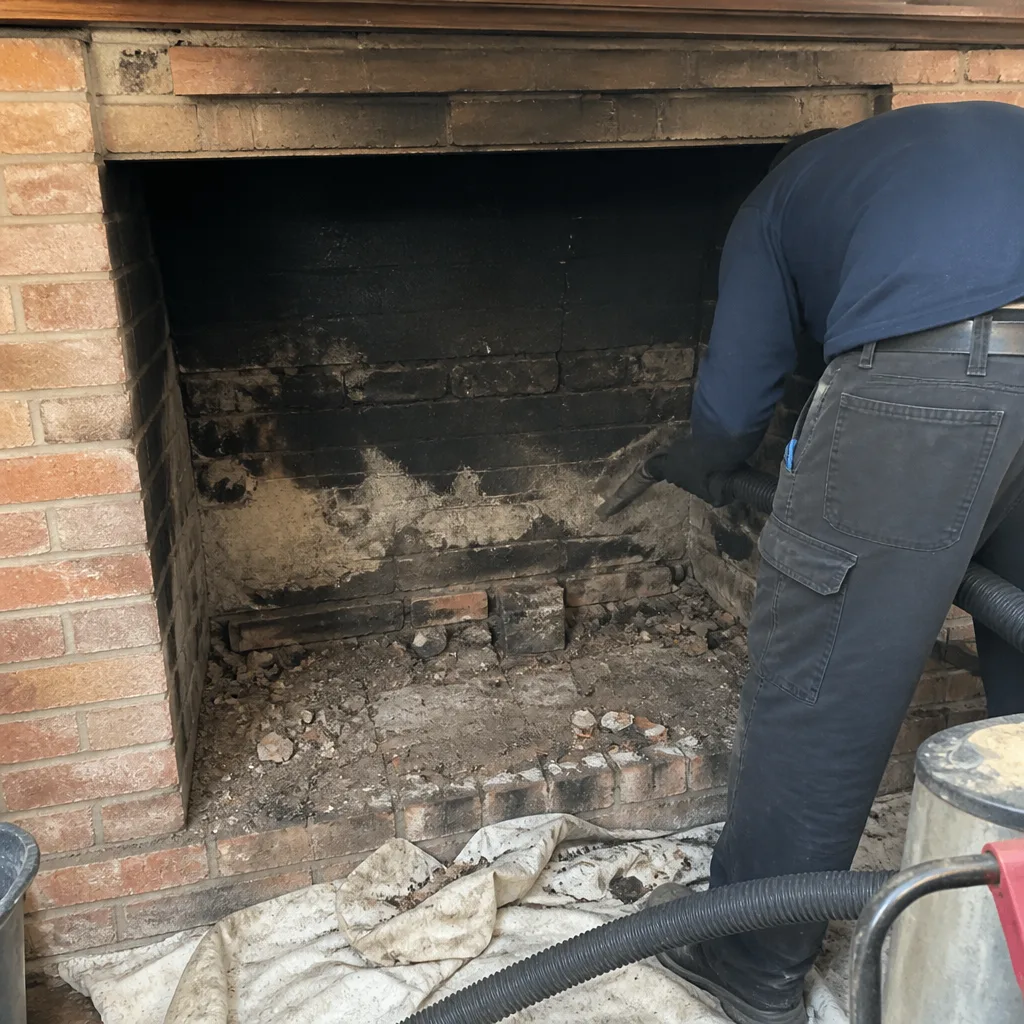 Before
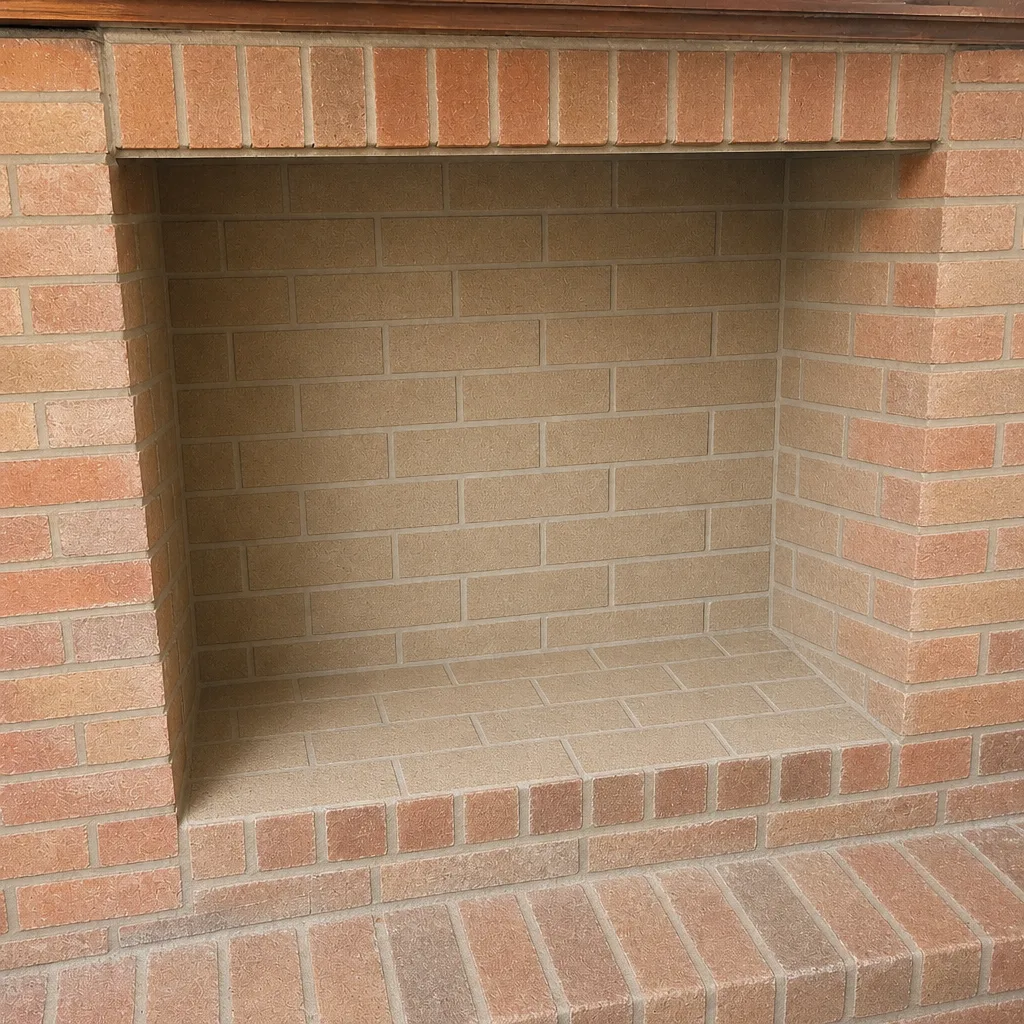 After
How Much Does Chimney Cap & Crown Cost in Tujunga?
Chimney cap and crown work in Tujunga typically runs $285 to $2,400 depending on whether you need a single component or both, and how much of the crown has to come out. A standard stainless cap installed on an existing flue usually lands around $285 to $650, while crown replacement climbs higher once the mason has to break out cracked mortar and rebuild the wash. Expect a typical combined cap-and-crown job at $900 to $1,800 for most Tujunga homes. The written estimate we provide after inspection is what sets the final price.
Key Takeaways
- Cap installation: $285 to $650. Crown replacement: $650 to $1,800. Both at once: $900 to $2,400.
- Crown rebuilds cost more than crown sealing because the old mortar has to be removed.
- Custom or oversized caps (multi-flue, unusual dimensions) run $500 to $1,100.
- Tujunga’s dry summers and Santa Ana wind exposure put stress on crown mortar and cap fasteners year-round.
- We work with Gelco, Famco, Olympia Chimney, Copperfield, DuraFlex, and HeatShield materials. No generic hardware-store covers.
Chimney Cap & Crown Cost Breakdown (2026)
Here’s what each piece of the work typically runs in the Tujunga market this year. These are estimates for planning; the written estimate after we look at your chimney is what applies.
| Line item | Typical range in Tujunga |
|---|---|
| Single-flue stainless chimney cap (Gelco, Famco, or comparable) | $285 – $650 |
| Multi-flue or oversized custom cap | $500 – $1,100 |
| Cap replacement with old cap removal and flashing seal | $400 – $800 |
| Crown sealing (brushable or sprayable crown coat) | $650 – $1,100 |
| Crown rebuild (break out, re-pour, or re-form mortar wash) | $950 – $1,800 |
| Crown rebuild with flue tile repair | $1,200 – $2,400 |
| Combined cap and crown job | $900 – $2,400 |
| Inspection to confirm crown and cap condition | Free with the estimate |
The biggest single driver is the crown. Sealing a hairline crack is quick work; breaking out a failed crown and rebuilding the sloped mortar wash around the flue opening takes longer, and the price reflects it. Cap cost swings mostly on size and material: a standard 8-inch or 9-inch stainless cap sits at the low end, while a custom-fabricated lid for a wide multi-flue chimney or an unusual round flue pushes toward the top. A cap that has to be set on a damaged crown, or one where the old cap was secured with construction adhesive and rusted through, takes extra labor to remove cleanly. If we find a compromised flue liner while we’re up there, the scope changes and we’ll lay out that work in writing before anything moves forward.
What Affects Chimney Cap & Crown Pricing in Tujunga
- Crown condition. A crown with one hairline crack can be sealed for the low end of the range. A crown where the mortar has separated from the flue tile and is holding water requires a full rebuild, and that’s where pricing climbs into four figures. Cracks that run out to the edge of the crown almost always need more than a coat.
- Number of flues. A single-flue chimney takes a smaller, less expensive cap. A chimney with two or three flues needs a larger cap or a custom-fit plate, and the cap itself is the bulk of that difference. Each flue should be individually capped for proper draft separation.
- Cap material and mesh detail. Stainless caps cost more than galvanized up front but last through hot summers and wind-driven rain without rusting. Spark arrestor mesh, wildlife mesh sizing, and cap height above the flue each add cost. Gelco and Famco caps come in standard and custom configurations, so the exact fit drives the number.
- Chimney access. A one-story roof is faster to work on than a two-story roof, and a steep or complex roofline means more setup time. Tujunga has plenty of hillside homes where the chimney is set back from the ridge, and that access adds labor.
- Local weather exposure. Tujunga runs hot and dry through summer with strong Santa Ana wind events in fall. That cycle of oven-dry afternoons and wind gusts opens mortar joints faster than steady wet conditions would. Homeowners here see crown cracking earlier than folks in mild coastal climates, so a sealing or rebuild is often on the schedule sooner than expected.
- Flue tile and flashing condition. If a flue tile is cracked at the crown line, that tile work gets bundled into the crown job. Bad flashing at the roofline is a separate fix, but we usually find it during the same inspection and can quote it together.
Why the Cap and Crown Matter More Than Most Homeowners Realize
The cap is the part of the chimney most exposed to every kind of weather Tujunga throws at it: wind, direct sun, dust from the dry hillsides, and the occasional heavy rain. The crown is the sloped mortar surface at the very top that sheds water away from the flue. When either fails, water finds its way into the structure below. A missing or damaged cap also opens the flue to birds, squirrels, and raccoons, which nest inside and block the draft. We’ve had calls for draft problems that turn out to be a nest laid in the flue over a season with no cap at all.
None of this is exotic work. A properly fitted cap and a sound crown are the two lowest-cost repairs that protect the whole system. Skipping them means the next call is usually about water damage or a rusted damper, which runs considerably more than the cap would have. This is the core of our chimney cap & crown work: find the failure point, fix it on the same visit or lay out the follow-up scope in writing.
How to Save on Chimney Cap & Crown in Tujunga
The single biggest way to control the cost of this work is to get the crown inspected before the cracks grow. A crown sealing job at the low end of the range becomes a rebuild at the high end when the mortar separates completely. So the timing matters as much as the material.
- Schedule before the burning season. Late summer and early fall are when most homeowners notice draft issues or a missing cap. Booking an inspection while the weather is still warm means we can do the work before you need the fireplace.
- Bundle the cap with the crown job. When we’re already on the roof for a crown rebuild, adding the cap to the same visit saves you a return trip. Combined jobs run less than splitting the two.
- Choose stainless over galvanized. Stainless caps cost more now but last through Tujunga summers without rusting through, so you won’t be paying twice. The cheap galvanized option is a false economy in this climate.
- Fix the flashing while the roofer is there. If flashing needs attention, bundling it with the crown work avoids paying for access twice.
- Get a free estimate before you commit. Call (844) 968-2733 and we’ll look at the top of your chimney and put the scope in writing. We answer 24/7. Fast dispatch from 7am to 7pm, Sunday through Friday. The estimate is free and the price is set per job.
What a Cap and Crown Inspection Covers
When you call us for a cap or crown estimate, we go up and look at the whole top of the chimney system, not just the piece you mentioned. That means the cap fit, the crown surface, the flue tile opening, the flashing at the roof edge, and the top course of the chimney masonry. We’re looking for the exact failure point, because a crown that looks fine from the ground can have a crack running out to the edge that has been drinking water for a season.
This inspection connects to the rest of our work. If the cap is fine but the flue has a rough spot near the top, that’s a case for chimney inspection findings and possibly a resurfacing job with HeatShield, which we’re set up for. If the top of the firebox or damper is showing wear once we’re inside, that’s chimney repair territory. And if you haven’t had the flue cleaned in more than a year, we’d want to run a Chimney Sweep Tujunga on the same visit so the inspection looks at a clean flue. One call covers diagnostics and the fix, which is the whole point of running all five service categories under one roof.
Which Caps and Crown Materials We Use
The cap and crown are only as good as the materials. We source from a vetted roster of professional brands, chosen for how they hold up in this climate rather than for the lowest price at the supply house.
- Gelco and Famco for caps, both standard fit and custom dimensions. Manufacturer-quality lids, not generic hardware-store covers that rust out in a few seasons.
- Copperfield and Olympia Chimney for caps and related chimney components where a specific fit or material is called for.
- DuraFlex for liner components when the inspection shows the flue itself needs attention alongside the cap and crown.
- HeatShield for resurfacing when the flue near the top is rough enough that a new cap alone won’t fix the draft problem.
A properly fitted cap sits on the flue with enough clearance for draft and enough mesh to keep wildlife out without choking the exhaust. This is where a fitted Gelco or Famco cap makes a real difference over a generic lid bolted across the top.
When to Repair and When to Replace
A crown is a repair candidate when the crack is narrow, the mortar is still bonded to the flue tile, and there’s no daylight coming through. Sealing or coating makes economic sense there. A crown needs replacing when the mortar has pulled away from the flue tile, when you can see a clear seam at the crown line, or when the slope has flattened and water is pooling rather than running off. On the cap side, a stainless cap in decent shape can usually be re-secured and re-sealed at the flashing. A rusted-through or missing cap gets replaced outright.
If the cap is intact but the crown is failing, we can usually handle both on the same visit. If a comprehensive crown rebuild is needed, we’ll lay out that scope in writing and schedule it. Either way, you’re not getting handed off to a second contractor midway through.
What to Check Between Inspections
Most homeowners can do a useful visual check from the ground a few times a year, especially after a windy stretch or a heavy rain, without getting on the roof. Here’s what to look for:
- Is the cap still squarely seated on top of the flue? A cap that’s visibly tilted or missing a section is obvious from below with binoculars.
- Is there daylight visible through the top of the flue on a bright day? If you can see through, a cap or crown failure is letting moisture in.
- Is there a water stain on the ceiling near the chimney or on the chimney breast wall? That usually points to a crown or flashing failure, not the flue itself.
- Are there signs of birds or squirrels near the top? Nesting season brings activity to an uncapped flue.
None of this replaces a proper look from the top, and we don’t recommend getting on a roof to check it yourself. The height and the roof pitch make a fall injury far too easy, and the crown is exactly where a slip happens. A professional with the right ladder setup and footing can see the crown, cap, and flashing in a few minutes.
How Tujunga’s Climate Shapes Cap and Crown Wear
Tujunga sits in a hot, dry inland pocket with more sun and wind than the coastal parts of Los Angeles County. That combination hits the top of a chimney differently than steady wet weather would. The mortar in a crown dries and shrinks through the summer, then the first serious rain of the season soaks into whatever cracks have opened. Repeat that cycle for a few years and the crown starts failing at the edge, which is where the water gets in. Caps take the same beating from wind and sunlight, and the fasteners that hold a cap down are the first thing to weaken.
The good news is that a properly built and sealed crown, capped with the right lid, stands up to this cycle for a long time. The material selection matters here more than in wetter climates, because dry heat is hard on cheap sealants and galvanized steel. Ask what material is going on your chimney, and get it in writing.
FAQs – Chimney Cap & Crown Cost
How much does a chimney cap cost in Tujunga?
A standard single-flue stainless chimney cap in Tujunga typically runs $285 to $650 installed. Multi-flue and custom-sized caps run $500 to $1,100. Call (844) 968-2733 for an exact quote. The estimate is free.
How much does a chimney crown repair cost?
Crown sealing runs $650 to $1,100, and a full crown rebuild runs $950 to $1,800 in Tujunga. If a cracked flue tile needs repair at the same time, expect $1,200 to $2,400. Call (844) 968-2733 to book a free estimate.
Is it cheaper to repair or replace a chimney crown?
Repairing a crown with a narrow crack is cheaper than replacing it. Sealing runs $650 to $1,100 versus $950 to $1,800 for a rebuild. But if the mortar has separated from the flue tile, sealing is a short-term fix and the rebuild is the longer-term answer. Call (844) 968-2733 for a free estimate to see which applies to your chimney.
Can you come today to look at my chimney cap?
Same-day service is often available for cap and crown estimates. We answer 24/7 and dispatch Sunday through Friday, 7am to 7pm. Call (844) 968-2733 and we’ll find the next opening.
Does a chimney cap really make a difference in Tujunga’s climate?
Yes. A fitted cap keeps rain from running down the flue and stops birds and squirrels from nesting inside. In Tujunga’s dry, windy conditions, a stainless cap from Gelco or Famco resists rust and stays seated longer than a galvanized cover. Call (844) 968-2733 to schedule a cap check.
Scheduling Your Cap and Crown Estimate
Chimney cap and crown work is one of those repairs where the cost difference between doing it on time and doing it late is significant. A crown that gets sealed early stays a sealing job. A crown that gets ignored becomes a rebuild. If it’s been more than a year since the top of your chimney was looked at, it’s worth a call.
Call (844) 968-2733. We answer 24/7. Fast dispatch from 7am to 7pm, Sunday through Friday. The estimate is free, and we’ll put the scope in writing so you know exactly what’s included before anything moves. Our technicians have up to 9 years of experience with the full range of chimney cap and crown work, and we’ll tell you honestly what your chimney needs.
Pricing reflects the Tujunga market as of 2026. Chimney Sweep Tujunga offers free estimates – call (844) 968-2733.
Written by the team at Chimney Sweep Tujunga.
What Our Customers Say
"Swept it, capped it, and installed a proper damper. The downdraft smell in the summer that we'd lived with for years is gone."
- Priya Mehta"Liner was cracked in two places. He walked me through the repair options honestly, including the one that was cheaper for him and better for me."
- Michelle Vaughn"Level two inspection before we bought the house. The report was detailed enough to use as a negotiating point and he explained every photo in it."
- Carmen Reyes