
Last updated November 20, 2026
 Sweep & inspection
 Caps & crowns
 Flue relining
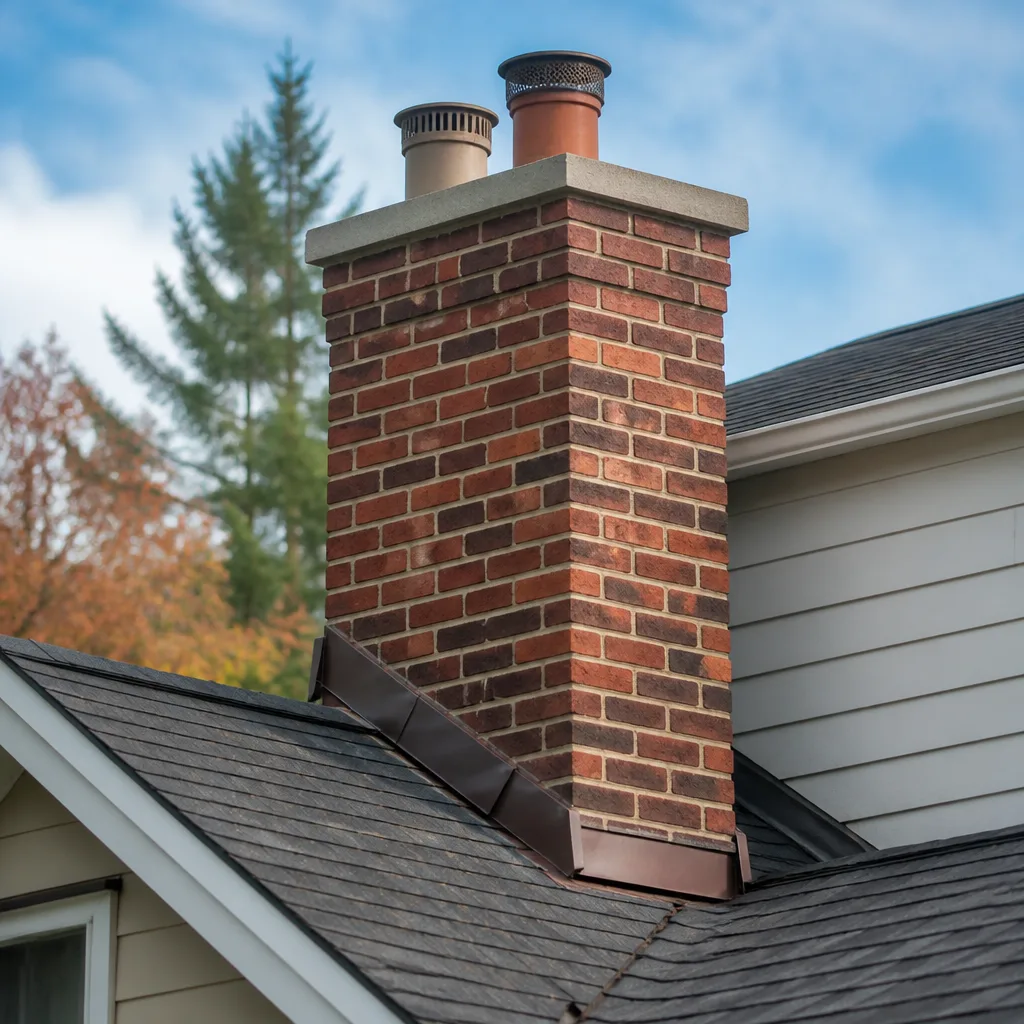 Masonry repair
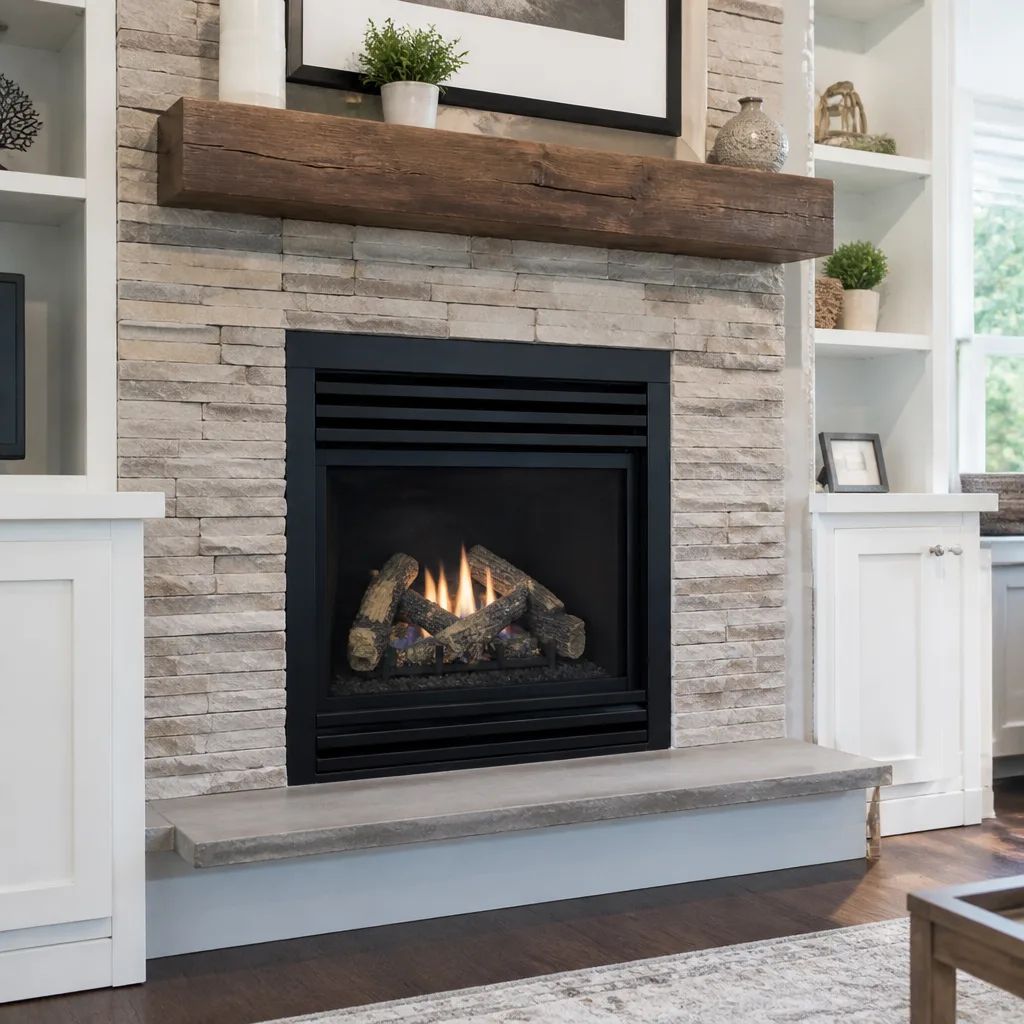 Gas fireplace service
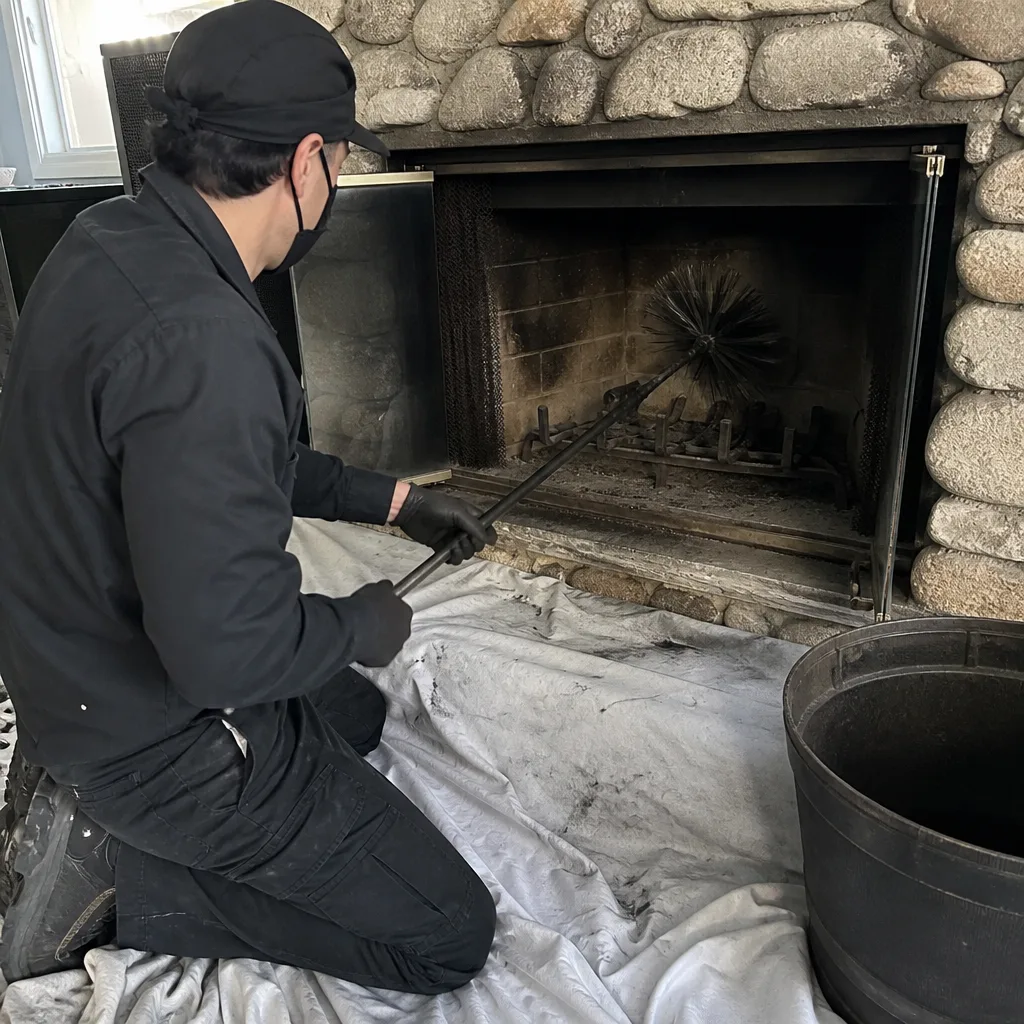
Level 1 sweep and inspection to the NFPA 211 annual standard - flue, crown, cap, and flashing checked and photographed
Chimney sweep logs do not sweep chimneys. They loosen some creosote - which then falls where a brush and vacuum still have to collect it.
The Complete Guide to Chimney Cleaning in Tujunga
Most chimney fires we hear about in Southern California don’t start because someone skipped a cleaning. They start because someone paid for a cleaning and never had the flue liner or the smoke chamber inspected while the sweep was already there. A brush run through the flue makes the firebox look tidy and tells you almost nothing about the parts that actually fail. In Tujunga, where the chaparral dries out by midsummer and the Santa Ana winds pull hard at every draft opening, that gap between “looks clean” and “is safe” matters more than most homeowners realize. This guide explains what a full-system cleaning actually involves, how the local climate changes creosote behavior, and how to read a service report so you know what you paid for.
Quick Answer
Chimney cleaning in Tujunga is the removal of creosote, soot, and obstructions from the entire flue system – firebox, smoke shelf, smoke chamber, flue liner, and cap – not just the flue pipe. A proper visit pairs that cleaning with at least a Level 1 inspection, and a Level 2 camera inspection whenever the liner condition is in question. If a sweep cleans only the visible flue and hands you a receipt with no inspection notes, the job is incomplete.
Styles & brands we work with
- Sweep & inspection
- Caps & crowns
- Flue relining
- Masonry repair
- Gas fireplace service
Table of Contents
- Why Tujunga Chimneys Age Differently
- Level 1, 2, and 3 Inspections: Which One You Need
- What a Full-System Clean Actually Includes
- The Smoke Chamber and Smoke Shelf Problem
- Reading Creosote: Degrees, Glaze, and the Santa Ana Effect
- How to Read Your Sweep’s Service Report
- When to Schedule: Burning Season and Storm Timing
- From Cleaning to Repair: What Full-Scope Service Changes
Why Tujunga Chimneys Age Differently
Tujunga sits at the mouth of a canyon system where hot, dry air funnels down through the fall. Those Santa Ana wind events do more to a chimney than most people expect. They create pressure differences across the flue opening, and that pressure can push draft backward or make it erratic during a burn. When draft is weak or intermittent, smoke lingers longer in the smoke chamber, and cooler smoke deposits more creosote on the liner walls than a hot, fast draft would.
The climate here is dry chaparral country, not coast and not high mountain. That distinction matters. Coastal homes deal with persistent dampness that softens creosote deposits and encourages corrosion on metal components. Tujunga’s air is dry enough that creosote cures hard and glazes onto the liner surface more readily, especially when a fireplace is run at low, smoldering settings over a long evening. Glazed creosote is the stubborn kind. A standard brush doesn’t take it off.
Add the housing stock. Many Tujunga homes were built with masonry fireplaces and clay tile liners that have been through decades of heating cycles. Clay tiles crack. Mortar joints erode. When a tile liner develops a crack, hot gases can reach the surrounding framing, and creosote can collect in places a brush never touches. We’ve seen plenty of fireplaces that looked fine from the hearth and had real problems one camera probe away.
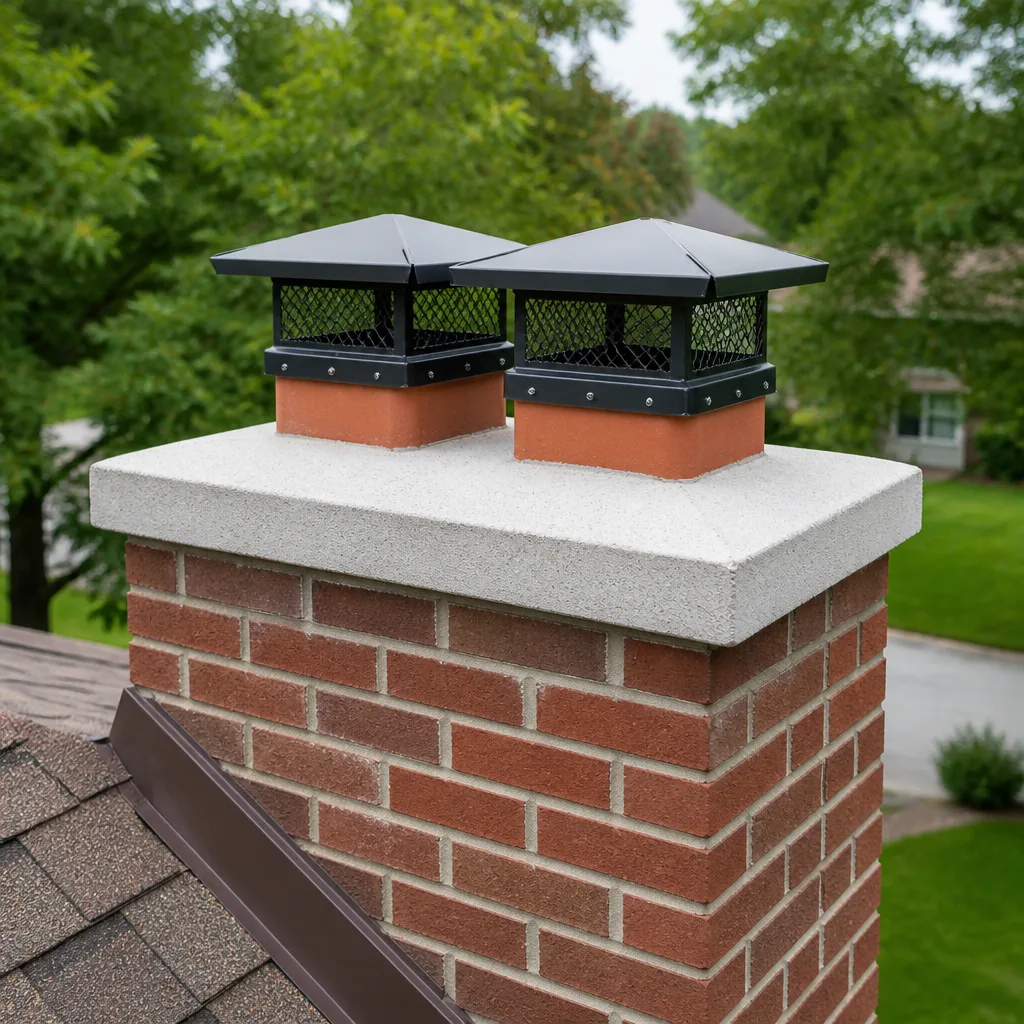
One more local factor: wildlife. The dry hills around Tujunga support birds, squirrels, and the occasional raccoon, and an uncapped flue is an open door. Nesting material blocks draft, and a blocked flue sends carbon monoxide back into the room instead of up the chimney. A fitted cap from a manufacturer like Gelco or Famco closes that opening with hardware sized to the flue, not a generic cover from a hardware store shelf.
Level 1, 2, and 3 Inspections: Which One You Need
The chimney industry uses three inspection levels, and knowing which one applies to your situation is the single best defense against an incomplete job. Most Tujunga homeowners with a wood-burning fireplace and no known problems need a Level 1, paired with their cleaning. Anything more complicated moves up a level.
Level 1 Inspection
A Level 1 is a visual check of readily accessible portions of the chimney and connected appliance: firebox, damper, smoke shelf, visible flue, and the exterior cap and crown where reachable. It’s the standard companion to an annual cleaning and it’s appropriate when the fireplace has been used normally and nothing has changed.
Level 2 Inspection
A Level 2 adds a camera run through the flue and access to concealed areas. You need one when the home changes hands, after a chimney fire or a seismic event, when you switch fuel types or appliance, or when a Level 1 turns up something that needs a closer look. In Tujunga, where many homes have older clay tile liners, the camera is often what reveals a cracked tile or a failed mortar joint that a visual check would never catch.
Level 3 Inspection
A Level 3 involves opening up construction – removing panels, cutting into walls or the chimney chase – to access areas a camera can’t reach. It’s reserved for serious suspected damage and it’s not something a routine cleaning triggers.
- Wood-burning fireplace, routine use, no known issues: Level 1 with your cleaning.
- New home purchase, post-fire, fuel change, or a flagged defect: Level 2 with camera.
- Suspected structural damage that a camera can’t resolve: Level 3.
Ask your sweep which level they performed and whether a camera was used. If the answer is vague, the inspection was probably a Level 1 that got described generously.
What a Full-System Clean Actually Includes
A chimney is a system, and cleaning it means cleaning every part of that system, not scrubbing the most visible surface. Here’s what a complete cleaning covers, in the order a careful technician works through it.
- Firebox and hearth. Ash, soot, and debris are removed from the firebox floor and walls, and the damper is checked for free operation.
- Smoke shelf and smoke chamber. These are the step and the funnel above the damper. Soot accumulates on the shelf, and the chamber’s corbelled walls trap creosote in the grooves. Many budget sweeps skip this area entirely.
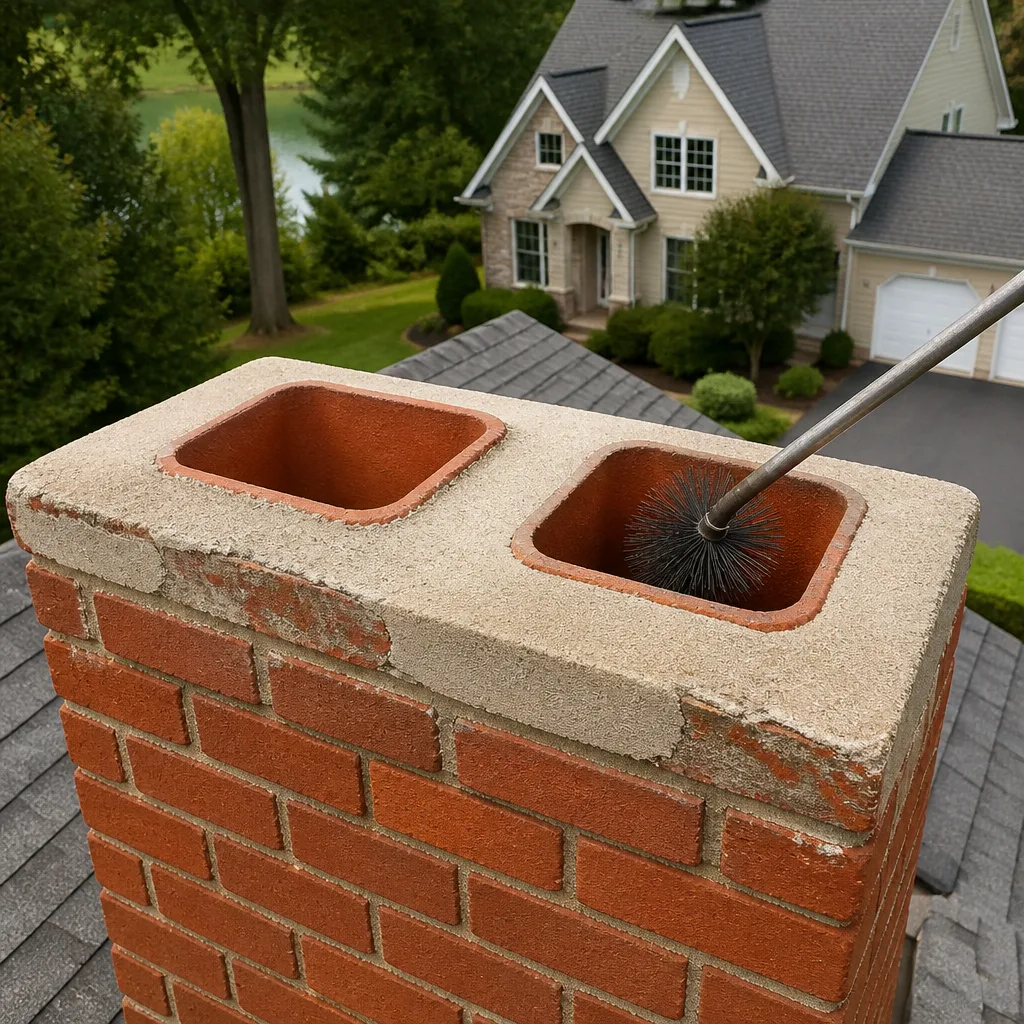
- Flue liner. The flue is brushed with the correct sized brush for the liner type, top-down or bottom-up depending on access, and the liner surface is inspected for cracks, gaps, and glaze.
- Cap and crown. The top of the system gets checked for a fitted cap, a sound crown, and proper flashing at the roofline. Water intrusion almost always starts here.
- Exterior and connected appliance. The chimney exterior is checked for leaning, missing mortar, and spalling, and the fireplace or insert is evaluated for how it’s drafting.
- Report and cleanup. Findings are documented, HEPA vacuuming finishes the room, and you get a written summary of condition.
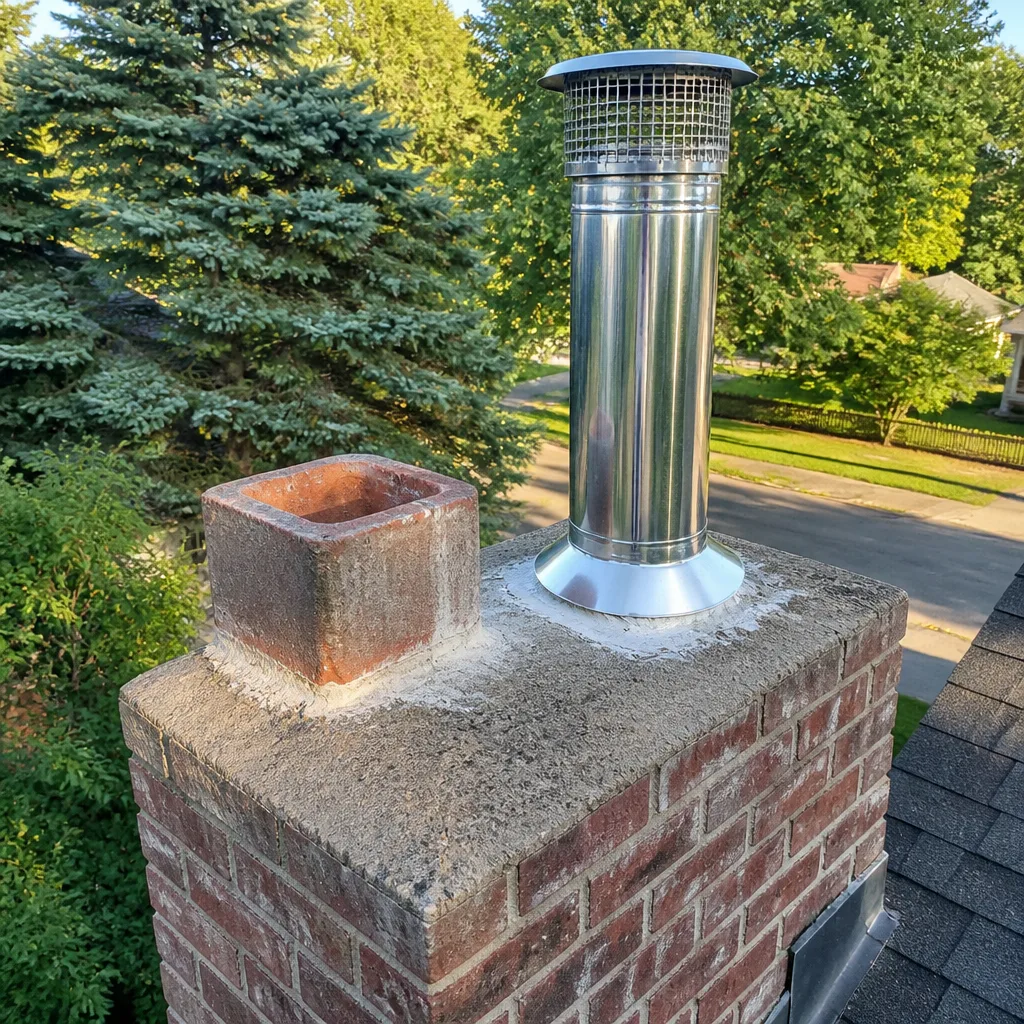
Notice what’s on that list that a “quick cleaning” skips: the smoke chamber, the crown, and the liner inspection. Those three are where the expensive problems hide. On a related note, if the inspection turns up a damaged flue, a resurfacing product like HeatShield can restore a liner from the inside without tearing out the chimney, and a stainless liner from DuraFlex or Copperfield is the alternative when the original liner is beyond resurfacing. Both are professional-grade materials and both require training to install correctly.
The Smoke Chamber and Smoke Shelf Problem
The smoke chamber is the funnel-shaped space directly above the damper, and the smoke shelf is the horizontal ledge at its base. Together they’re the most commonly neglected part of a residential chimney – and cleaning them takes more time and care than running a brush up the flue, which is exactly why cut-rate sweeps tend to skip them.
Understanding why they matter comes down to how a fireplace drafts. Smoke rises off the fire, hits the smoke shelf, and gets turned upward into the chamber, which compresses the flow and pushes it into the flue. If soot and creosote build up on the shelf, the turning action degrades and smoke stalls. If the chamber walls are rough or heavily glazed, draft suffers and more creosote deposits on the liner. Older masonry fireplaces often have corbelled chambers with stepped walls that trap soot in every groove, and those walls are difficult to reach without the right tools.
Cleaning the smoke chamber properly means brushing the corbelled walls, vacuuming with a HEPA unit so nothing escapes into the room, and inspecting the surface for gaps or deterioration in the parging. If the parging is rough or missing, that’s a repair, not a cleaning. Materials like HeatShield are formulated specifically for resurfacing smoke chamber walls and liner interiors to restore a smooth, correct surface.
Here’s the practical test. Ask your sweep, before they start, whether the smoke chamber and smoke shelf are included in the price. If they hesitate or say the chamber “doesn’t usually need it,” you’re talking to a one-task cleaning crew, not a full-system service. It’s a fair question and a good one to ask when you book a chimney sweep.
Reading Creosote: Degrees, Glaze, and the Santa Ana Effect
Creosote forms in three broad degrees, and the degree determines whether cleaning is enough or repair enters the picture.
- First degree. Sooty, flaky, and easily brushed off. Normal for a well-run fireplace with good draft.
- Second degree. Crusty and somewhat hardened, with a mix of flake and tar. Takes a rotary brush to remove.
- Third degree. Glazed, hard, and tar-like. Brushing alone won’t touch it; it usually calls for chemical treatment or liner resurfacing.
The Santa Ana wind pattern accelerates third-degree formation in a specific way. During a wind event, pressure across the chimney’s top can cause a fireplace to draft weakly or puff. A homeowner running a fire anyway at a low, smoldering setting produces smoke that cools before it exits the flue, and cool smoke condenses on the liner. Repeat that over a season and the deposit cures hard. Coastal homes see softer deposits because the ambient humidity slows the cure; Tujunga’s dry air does the opposite.
That’s why we treat creosote degree as a diagnostic, not a sales hook. If a sweep tells you that you have third-degree creosote, they should be able to show you camera footage of it. If the camera footage is clean, the condition is what it is and the cleaning is routine. If it shows glaze, then the conversation about treatment or resurfacing is a real one and you should be able to see the evidence yourself.
How to Read Your Sweep’s Service Report
A service report is the record of what was done and what was found. Most homeowners glance at it and file it. A careful read tells you whether you got a full-system clean or a partial one, and it gives you a baseline for next year. Here’s what to look for.
- Inspection level stated. The report should name the level performed. No level means no inspection was formally conducted.
- Camera notes. If a Level 2 was done, the report should describe what the camera saw in the flue and smoke chamber.
- Areas cleaned. Look for each part listed: firebox, smoke shelf, smoke chamber, flue, cap, crown. If the chamber and shelf aren’t named, they probably weren’t cleaned.
- Condition findings. Cracks, gaps, glaze, crown deterioration, and cap condition should be noted, with severity.
- Recommendations with timing. A good report says what needs doing now and what can safely wait until next season.
- Photo or video evidence. Camera inspections should come with images you can look at yourself.
If the report names only the flue and the firebox, you’re holding a partial clean. That’s the exact gap that leads to undetected liner damage. For more on what a proper assessment should catch, see our guide to Chimney Sweep Tujunga.
When to Schedule: Burning Season and Storm Timing
The right time to book a chimney cleaning in Tujunga is before burning season starts, not once the fire is already in regular use. Late summer and early fall get you ahead of the first cold snaps, and it’s when a sweep has time for a full inspection rather than a rushed one.
After a storm is the other natural timing hook. The dry hills around Tujunga shed debris and loosed branch material in high wind and rain, and an uncapped or loosely capped flue can take on nesting material, leaves, and twigs. A post-storm check confirms the cap is intact and the flue isn’t blocked. A blocked flue is a carbon monoxide risk, not a nuisance.
If you’ve just bought a Tujunga home, book a Level 2 inspection before your first fire. You don’t know the liner history, and the camera is the only way to see it. And if anything has changed in how you use the fireplace – a new insert, a different fuel, a damper that sticks – that’s a prompt for a Level 2 rather than a routine clean.
We answer 24/7 and run fast dispatch from 7am to 7pm, Sunday through Friday. To book, call (844) 968-2733.
From Cleaning to Repair: What Full-Scope Service Changes
The most common frustration we hear about chimney work isn’t the cost of a cleaning. It’s the hand-off. A sweep cleans the flue, finds a cracked tile or a failed crown, and says you’ll need to find a repair contractor. Now you’re coordinating two trades, two schedules, and two opinions about whether the repair is urgent.
Full-scope service closes that gap. Inspection, cleaning, cap and crown work, and repair live in one visit or one clear follow-up scope. When the camera finds a damaged crown, the same company can install a proper replacement. When the smoke chamber parging has failed, resurfacing can happen without a second contractor. When the flue liner is compromised, a new liner sized to the appliance is part of the same conversation.
That’s why we work with a vetted roster of professional-grade brands: DuraFlex and Copperfield for liner systems, HeatShield for resurfacing, and Gelco and Famco and Olympia Chimney for caps and components. The point isn’t the brand names. It’s that the material is chosen for durability and fit, not for the lowest price on a supplier’s shelf. A fitted cap from a manufacturer keeps out what a generic cover lets through. A liner sized and installed correctly lasts. A resurfaced chamber drafts the way it was designed to.
You’ll notice we say “we find it, we fix it” a lot, and the reason is simple: the frustration of an inspector who doesn’t do repairs is real and avoidable. One call should cover diagnostics and the work that follows. Explore chimney cap & crown work and fireplace repair for the repair side of that scope.
Common Mistakes to Avoid
- Treating the cleaning as the whole job. A clean flue tells you nothing about liner cracks or a failing crown. Insist on an inspection at the same visit.
- Skipping the smoke chamber and shelf. These are the two most neglected areas, and they’re where draft problems start. Ask before booking whether they’re included.
- Running a smoldering fire during a Santa Ana event. Low, slow burns during weak draft are how glazed creosote forms. If the fire puffs or the room smokes, stop burning and check the draft.
- Leaving the flue uncapped. Tujunga’s dry hills bring wildlife and wind-driven debris to any open flue. A fitted cap from Gelco, Famco, or Olympia Chimney is the fix.
- Accepting a report with no inspection level. If the paperwork doesn’t name what was inspected, it’s not a record you can rely on next season.
- Ignoring the crown. A cracked crown lets water into the chimney structure, and water damage compounds quietly. Have it checked whenever the cap is.
- Hiring a sweep who won’t do repairs. The hand-off costs you time and often means the repair gets deferred past the point where it’s cheap.
See the difference
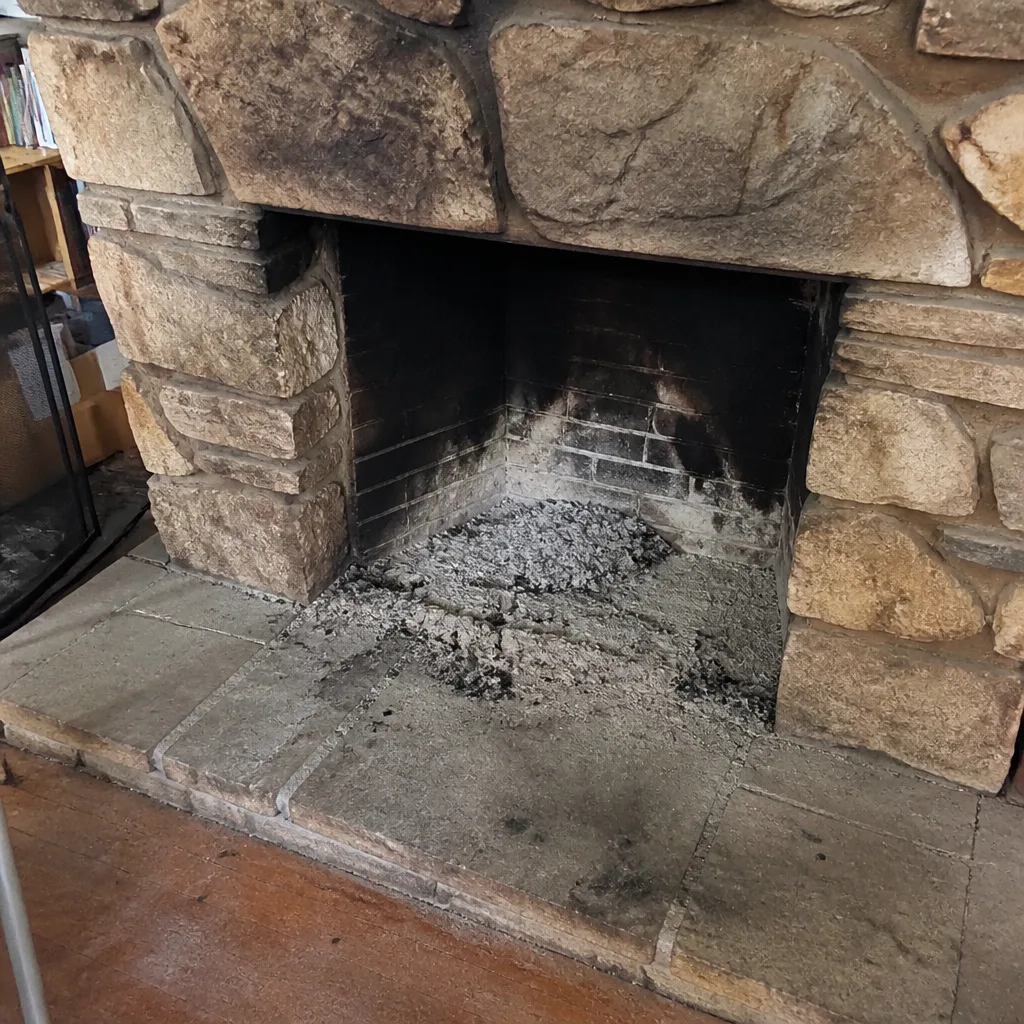 Before
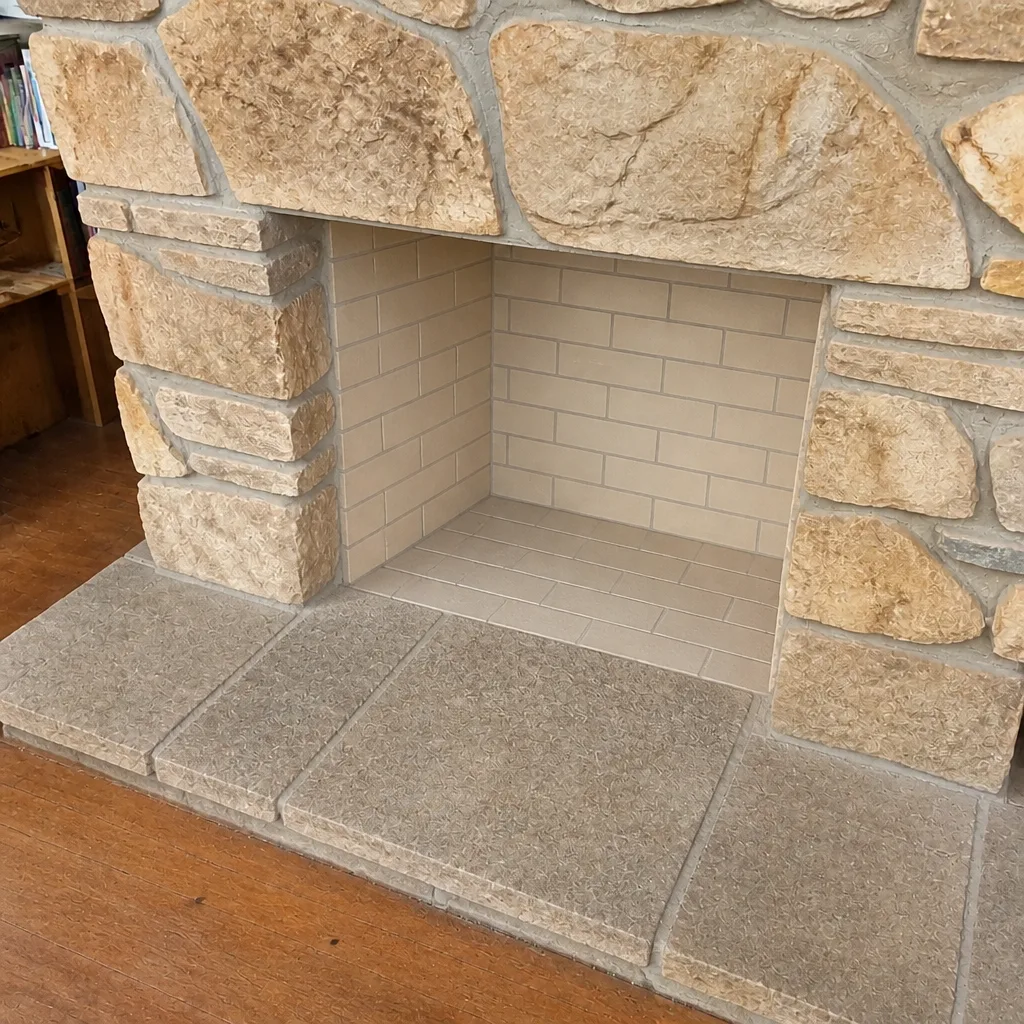 After
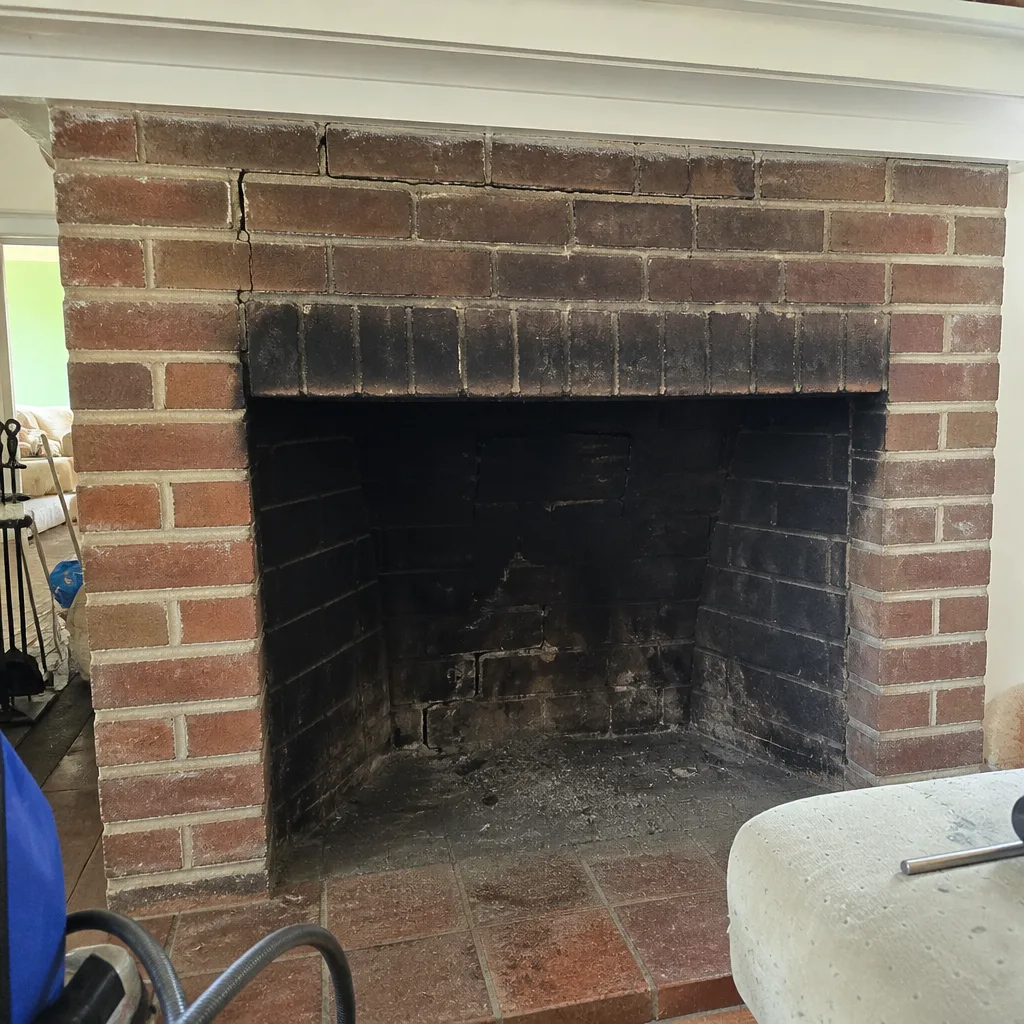 Before
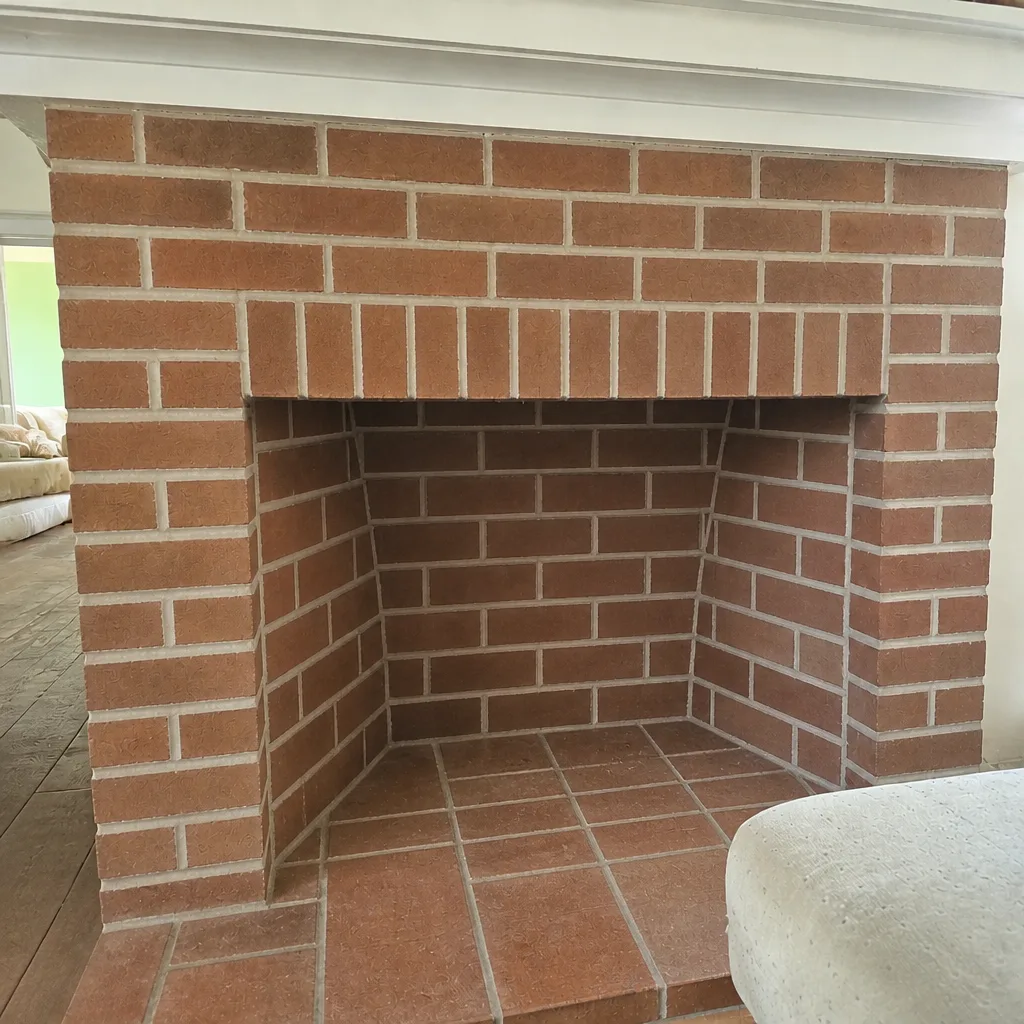 After
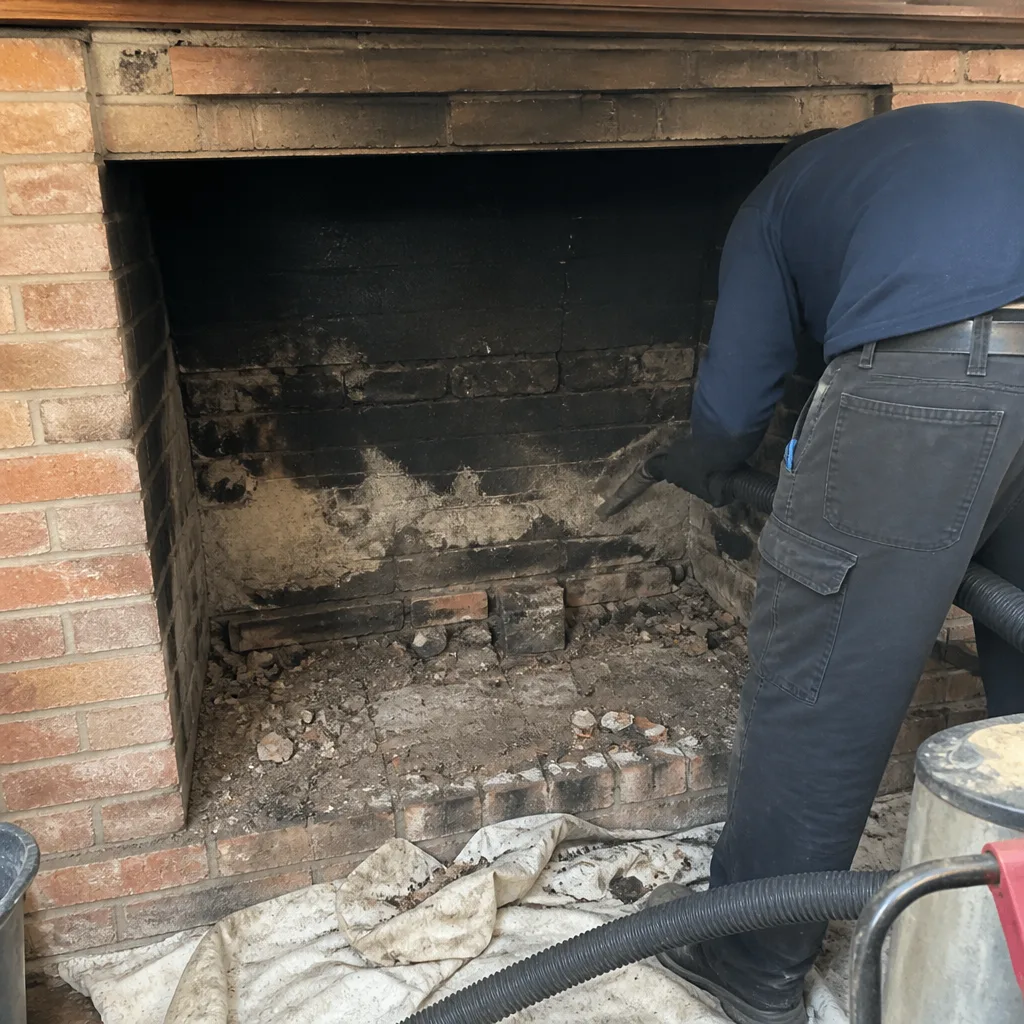 Before
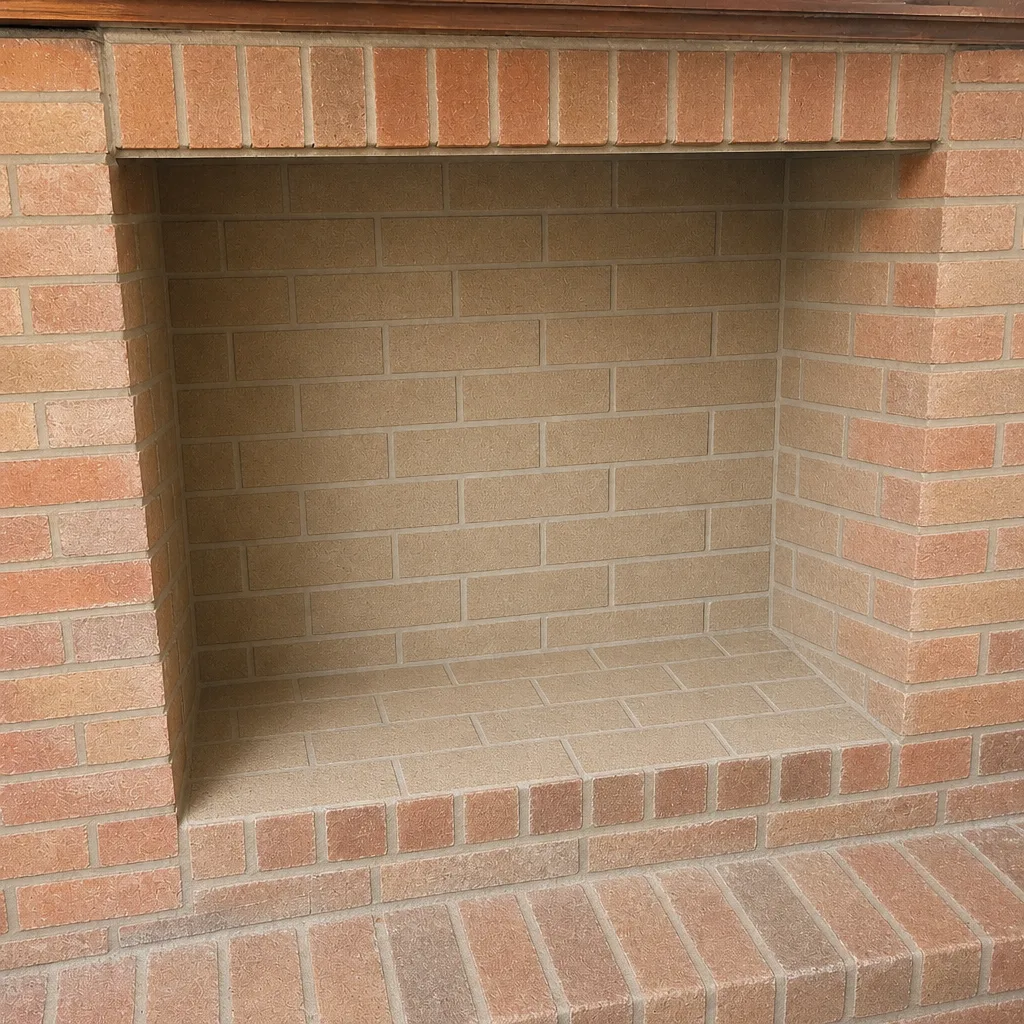 After
When to Call a Professional
Some chimney work is genuinely not a homeowner task. Glazed creosote removal, liner inspection, and any repair at the crown are for trained technicians with the right equipment. High-tension components and the interior of a chimney are not places for a ladder and a brush from the hardware store, and a damaged liner is a real fire and carbon monoxide hazard, not a cosmetic issue.
Call a professional when you see any of the following: smoke rolling back into the room instead of drafting up, a damper that won’t open fully, soot flakes falling into the firebox, a cap missing or damaged after a storm, water staining on the chimney exterior, or a fire that’s never quite drafted right. Also call after any chimney fire, even a small one – a fire that sounds like a low roar is still a fire, and the liner needs inspection afterward.
Chimney Sweep Tujunga offers free estimates in Tujunga – call (844) 968-2733. Our technicians have up to 9 years of experience, and a written estimate sets the final price before any work begins.
Frequently Asked Questions
A routine cleaning with a Level 1 inspection typically runs in the low-to-mid hundreds, and a Level 2 with camera inspection and cleaning adds to that. The written estimate sets the final price, so ask what’s included: firebox, smoke shelf, smoke chamber, flue, and cap. Call (844) 968-2733 for an exact quote – estimates are free.
Once a year for a fireplace in regular use, and more often if you burn heavily or notice glazed creosote. Tujunga’s dry air hardens deposits faster than a humid climate would, so don’t stretch the interval. If you’ve just moved in, book a Level 2 before your first fire. Call (844) 968-2733 to schedule.
Only if the camera inspection shows the existing liner is cracked, gapped, or beyond resurfacing. A clay tile liner with a hairline crack may be resurfaced with HeatShield; a liner that’s failed outright calls for a replacement. Don’t take a liner recommendation without seeing the footage yourself. Call (844) 968-2733 to have the liner checked.
Creosote builds up, and glazed creosote is the fuel a chimney fire feeds on. A blocked or damaged flue also sends carbon monoxide into the room instead of up the chimney. Neither outcome is hypothetical in a fireplace that sees regular use. Book a cleaning before burning season – call (844) 968-2733.
A Level 1 is a visual check of accessible portions during a cleaning. A Level 2 adds a camera run through the flue and concealed areas, and it’s what you need after a chimney fire, a new home purchase, or a flagged defect. Ask which one your sweep performed. Call (844) 968-2733 to book a Level 2.
Yes. The cap keeps out rain, wildlife, and wind-blown debris, and it’s the first line of defense at the top of the system. A fitted cap from a manufacturer like Gelco, Famco, or Olympia Chimney is sized to your flue, not a generic cover. Call (844) 968-2733 to have your cap checked.
The Bottom Line
Chimney cleaning in Tujunga is a full-system job: firebox, smoke shelf, smoke chamber, flue liner, and cap, paired with an inspection level that matches your situation. The climate here cures creosote harder than a coastal one would, so glazed deposits and liner damage show up faster than people expect. Read your service report and confirm each part of the system was covered. And when an inspection finds a problem, have a company that can actually fix it – one call for both. Call (844) 968-2733 for a free estimate. We answer 24/7, with fast dispatch from 7am to 7pm, Sunday through Friday.
Written by the team at Chimney Sweep Tujunga.